
Vegetables
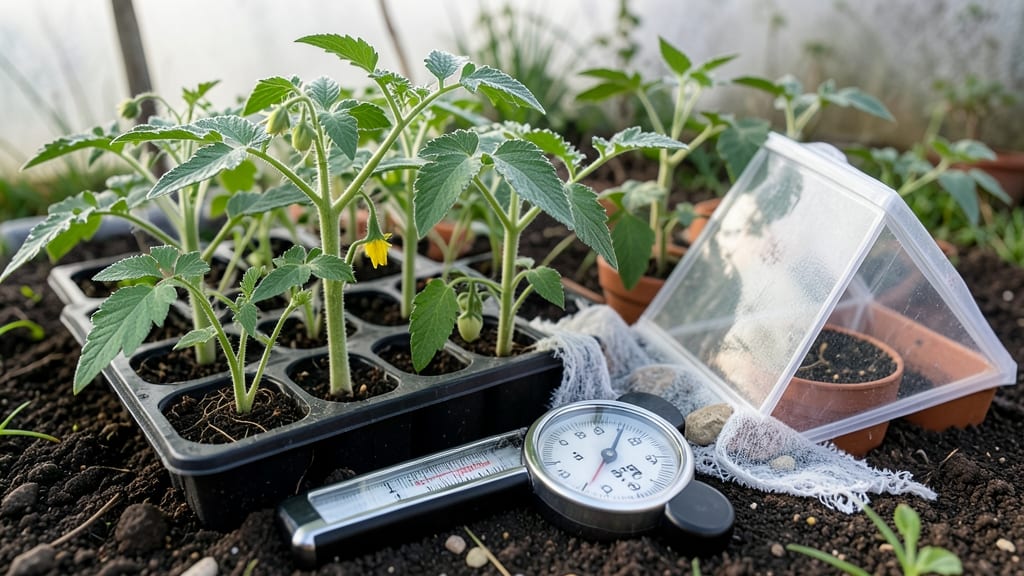
The lowest safe temperature for tomato seedlings to survive is 50°F—but only if they’re already sprouted and healthy. Below that, and you risk stunted growth, seed rot, or worse.
Struggling to get your 🍅 tomato seedlings to sprout in cool weather? Understanding the lowest safe temperature for germination can mean the difference between a thriving garden and wasted effort. Here’s what you need to know to protect your seedlings from early-season chills.
Most seeds won’t even germinate below 60°F, and even established seedlings can suffer if nighttime temps dip into the 40s. That’s why gardeners in Zone 6a or cooler often use heat mats or cold frames to give their plants a fighting chance.
In this guide, I’ll break down the exact temperature thresholds for each growth stage, share 3 proven methods to shield seedlings from frost, and help you spot cold damage before it’s too late.
Safe minimum temperatures for tomato seedling germination and growth
Tomato seedlings thrive when soil and air temperatures align with their tropical origins, but cooler climates can stall or kill them if you don’t plan ahead. The ideal germination temperature for tomato seeds is between 70°F and 85°F—any colder, and you risk slow sprouting or seed rot.
Even after germination, seedlings need consistent warmth to avoid stunted growth or purple stems, a classic sign of chilling stress.
Understanding these temperature thresholds helps you time your planting, choose the right protection methods, and avoid common mistakes like sowing too early. For example, in USDA Zones 3-5, gardeners often use heat mats or start seeds indoors to bypass cool spring soil.
Meanwhile, gardeners in Zones 8-10 can direct-sow later in the season when nighttime temps stay above 55°F.
Here’s the critical breakdown: seedlings can survive brief dips to 50°F, but prolonged exposure below 55°F causes irreversible damage. The risks escalate below 60°F, where growth slows dramatically, and roots struggle to absorb nutrients.
Let’s explore these thresholds stage by stage—from seed to transplant—to help you safeguard your seedlings.
🌱 Key Takeaway: Tomato seeds need 70-85°F soil to germinate, while established seedlings tolerate down to 50°F—but only briefly. Plan ahead to avoid costly mistakes!
| Stage | Ideal Temp Range | Lowest Safe Temp | Risk Below Threshold | USDA Zones |
|---|---|---|---|---|
| Seed Germination | 70–85°F | 60°F (slow) | Seed rot, mold, or no sprouting | 3–10 (use heat mats) |
| Seedling Stage (1–2 leaves) | 65–75°F | 55°F (brief) | Purple stems, stunted growth | 4–9 (protect with covers) |
| Established Seedlings (3+ leaves) | 60–70°F | 50°F (overnight only) | Root damage, poor transplant shock recovery | 5–10 (harden off gradually) |
| Transplanted Plants | 55–75°F (day/night) | 45°F (brief frost) | Foliage burn, blossom drop | 6–10 (mulch heavily) |
Now that you’ve seen the temperature thresholds, let’s dive deeper into how these ranges affect each growth stage. For instance, germination fails below 60°F because tomato seeds rely on consistent warmth to activate enzymes that break down stored nutrients.
Without this warmth, seeds either rot in damp soil or simply refuse to sprout, leaving you waiting weeks for results—or none at all.
Once seedlings emerge, the stakes rise. Air temperatures below 60°F trigger a cascade of problems: purple stems (a sign of phosphorus deficiency from cold-stressed roots), weak stems that flop over, and slow leaf production.
These issues compound if your seedlings spend more than a few hours below 55°F, making it critical to monitor overnight lows in your region.
For gardeners in USDA Zones 3–5, where spring soil can linger below 50°F for weeks, the solution often involves starting seeds indoors with heat mats or using a greenhouse to jumpstart growth.
Even in warmer zones like Zone 7–10, early-morning chills can stall seedlings, so timing your sowing to align with consistent soil temps above 60°F is key.
One common misconception is that tomato seedlings can handle the same cold tolerance as mature plants. They cannot. Mature tomato plants can survive brief dips to 32°F (with some frost resistance in certain varieties), but seedlings are far more delicate.
Their delicate root systems and thin stems lack the resilience to recover from cold stress, which is why many gardeners lose their first planting to early-season chills.
To avoid these pitfalls, I recommend using a soil thermometer to track temperatures before sowing. Aim for 60°F or warmer for direct sowing, or plan to use row covers or cold frames to add 5–10°F of protection.
In my own garden, I’ve found that black plastic mulch can raise soil temps by 5–8°F, making it a game-changer for cooler climates.
Finally, remember that nighttime temperatures matter just as much as daytime highs. Even if your daytime temps are ideal, a 40°F overnight low can shock seedlings and set back growth for days.
Use this table as your guide, and you’ll give your tomato seedlings the best possible start—no matter where you garden.
How to protect tomato seedlings from cold weather without delaying planting
Cold weather can stall your tomato seedlings before they even get a chance to thrive. While tomato seeds need 70-85°F soil to germinate, young seedlings can survive brief dips to 50-55°F with the right protection.
The key is balancing warmth with practicality—especially when you’re eager to plant but facing unpredictable spring temps.
If you’re in USDA zones 3-5, where frosts linger until late May, delaying planting isn’t always an option. Instead, use low-cost solutions like row covers or heat mats to buy time.
Even in warmer zones, early mornings can drop below 55°F, stressing tender seedlings. Here’s how to shield them without sacrificing your planting schedule.
Tomato Seedling Cold Protection Methods
Heat Mats
✅ Adds 10-15°F to soil
✅ Reusable
✅ Works for indoor starts
Row Covers
✅ Adds 4-8°F to air
✅ Protects from wind
✅ Removable for pollination
Cold Frames
✅ Extends season by 3-4 weeks
✅ Protects from frost
❌ Bulky to move
Indoor Starters
✅ Full control over temps
✅ No outdoor risks
❌ Requires grow lights
Black Plastic Mulch
✅ Warms soil by 5-10°F
✅ Suppresses weeds
❌ Hard to remove
Cloche Bells
✅ Portable protection
❌ Limited coverage
❌ Can trap excess moisture
For fastest results, combine methods. Start with a heat mat under seedling trays (ideal for indoor starts) and cover with a row cover once outdoors. If temps drop below 45°F, add a cold frame or move pots to a sheltered spot.
My go-to for early spring? A low tunnel with row cover—it’s like a mini greenhouse on wheels.
Pro tip: Monitor soil temperature, not air temp. A soil thermometer ($10 at garden centers) is your best friend. Tomato roots need 60°F+ to thrive, but seedlings can handle cooler air if their roots stay warm.
For example, 55°F air with 65°F soil is safer than 70°F air with 50°F soil.
If you’re in a rush to plant, black plastic mulch is a game-changer. Lay it down 2-3 weeks before transplanting to warm the soil. Pair it with a row cover for extra insulation.
I’ve seen 10°F soil temp jumps in just a week with this combo—perfect for pushing your planting date earlier.
Remember, consistency matters more than extreme measures. A row cover every night for 2 weeks is better than a heat lamp that burns seedlings. Test your setup on a few plants first, and adjust as needed.
With the right tools, you can safely plant 2-4 weeks earlier than your last frost date—giving your tomatoes a head start on the season. 🌱