
Companion Plants
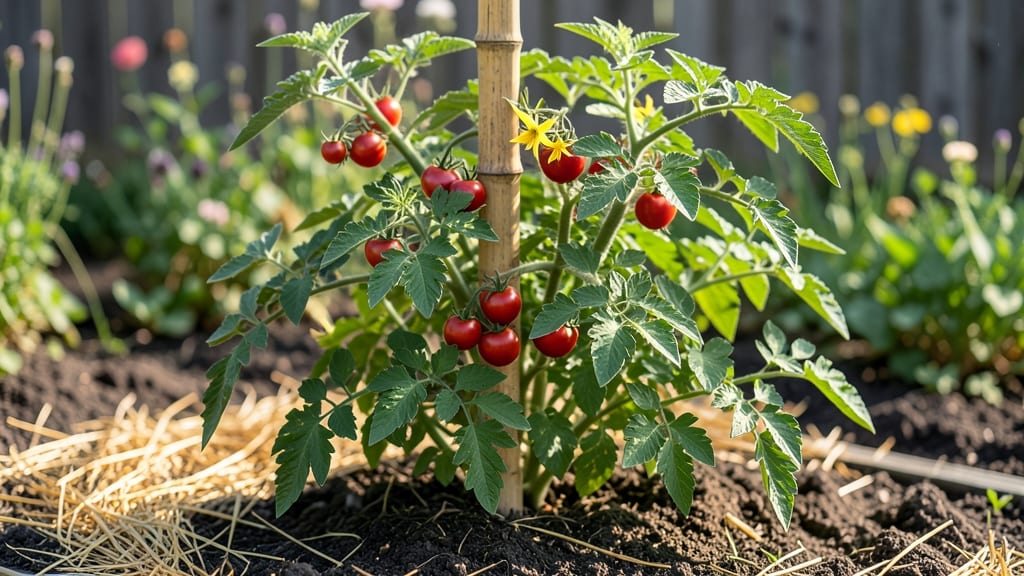
Plum tomato plants are the secret weapon for gardeners who want both stunning blooms and sweet, bite-sized fruit. 🌿 I learned the hard way that these varieties aren’t just pretty—they’re productive, too.
The first time I grew 'Sungold' and 'Sweet Million,' I couldn’t believe how many tomatoes I harvested from a single plant. These tomatoes thrive in full sun and well-draining soil, but the real magic happens when you prune them properly to encourage both flowers and fruit.
Start with healthy seedlings, plant them deep (bury half the stem), and water deeply once a week—more if your summer gets scorching. The key is balance: too much water causes blossom end rot, but too little stunts growth.
By mid-summer, you’ll have clusters of fragrant yellow flowers and plump, juicy tomatoes that burst with flavor. The plants stay compact, making them perfect for containers or small gardens. Plus, the flowers attract pollinators, boosting your whole garden’s productivity.
Troubleshoot common issues like cracking fruit (consistent watering helps) or powdery mildew (space plants for airflow). With the right care, these dual-purpose plants will reward you with beauty and bounty all season long.
📚 In This Guide
- What you need
- Instructions
- Tips and common mistakes
- Wrapping up and next steps
What you need
- ● Plum tomato seeds or seedlings: Choose heirloom varieties like 'Black Plum,' 'Pineapple,' or 'Yellow Pear' (3–5 plants for a small garden, 6+ for larger harvests).
- ● Well-draining potting mix: 5–10 gallons (for containers) or 1–2 cubic yards (for in-ground planting). Opt for a blend with 50% compost or aged manure.
- ○ Containers (optional but handy): 5-gallon pots or fabric grow bags (12–18" deep) with drainage holes.
- ● Sturdy tomato cages or stakes: 6–8 ft tall (2–3 per plant for support).
- ● Slow-release fertilizer: 10–20–10 NPK ratio (1 tbsp per plant at planting time).
- ● Mulch: Straw or shredded leaves (2–3 inches thick) to retain moisture and suppress weeds.
- ● Trowel or garden spade
- ● Pruning shears (sterilized)
- ● Watering can or hose with a gentle nozzle
- ● pH test kit (ideal soil pH: 6.0–6.8)
- ● Glove (to protect from thorns and soil-borne pathogens)
- ● Companion plants: Basil, marigolds, or borage (plant near tomatoes to deter pests and boost flavor!).
- ● Drip irrigation system: For consistent moisture (especially in hot climates).
- ● Café au lait spray: Homemade mix (1 tbsp milk + 1 quart water) to prevent fungal diseases.
- ● Garden journal: To track growth, blooms, and harvest dates!
Step-by-Step guide to growing plum tomato plants
Here's how to grow these dual-purpose beauties that reward you with sweet fruit and fragrant blooms.
🌱 Step 1: Choose the Right Variety and Planting Time
Plum tomatoes like 'Sungold' or 'Sweet Million' thrive in warm climates. Start seeds indoors 6-8 weeks before your last frost date, or buy sturdy transplants from a nursery. These varieties love heat and need at least 70°F soil to germinate well. I always check the seed packet for days to maturity—plum tomatoes typically take 60-70 days from transplant to harvest.
If you're planting directly in the garden, wait until nighttime temperatures stay above 55°F. Cold soil slows germination and can cause seedlings to rot. I've learned the hard way that rushing this step leads to weak plants that struggle later. Use a soil thermometer to confirm—60°F is the minimum for reliable germination.
☀️ Step 2: Prepare the Planting Site with Rich, Well-Draining Soil
Plum tomatoes need full sun (6-8 hours daily) and fertile soil. Mix 2-3 inches of compost into the top 12 inches of soil before planting. These varieties are heavy feeders, so I always add a balanced 10-10-10 fertilizer at planting time—just follow the package rate for tomatoes. Avoid fresh manure, which can burn tender roots.
If your soil drains poorly, amend with sand or perlite to create air pockets. Plum tomatoes hate soggy feet. You'll know drainage is right when water soaks in within 10-15 minutes after watering. I like to dig a hole twice as wide as the root ball to encourage roots to spread out.
🪴 Step 3: Plant Transplants Deeply and Support Early Growth
Dig a hole deep enough to bury ⅔ of the stem—this encourages strong root growth from buried stems. Gently loosen the roots if they're circling in the pot, then place the plant so the top 2 leaves remain above soil level. Plum tomatoes grow vigorously, so I install cages or stakes at planting time—waiting leads to flopping plants later.
Water deeply right after planting to settle the soil and remove air pockets. You'll see the soil surface firm up slightly as it settles. Mulch with 2-3 inches of straw or grass clippings to retain moisture and suppress weeds. Keep the mulch 2 inches away from stems to prevent rot.
💧 Step 4: Water Consistently and Fertilize for Sweet Fruit
Plum tomatoes need 1-1.5 inches of water weekly, delivered at the base—not overhead. I water in the early morning to prevent fungal diseases. Let the top inch of soil dry between waterings, but never let plants wilt. These varieties are prone to cracking if moisture fluctuates wildly.
Feed every 2-3 weeks with a low-nitrogen, high-phosphorus fertilizer (like 5-10-10) to encourage fruiting. I always stop fertilizing 4-6 weeks before harvest—too much nitrogen late in the season makes fruit bland. You'll notice flowers dropping if plants are stressed, so keep an eye on moisture levels.
✂️ Step 5: Prune and Harvest for Maximum Yield
Pinch off suckers (the small shoots in the leaf axils) to direct energy to fruit production. Prune leaves touching the ground to improve airflow and prevent disease. I also remove yellow leaves promptly—they drain the plant unnecessarily. Regular pruning keeps plants focused on producing those sweet, fragrant plum tomatoes.
Harvest when fruit is fully colored and slightly soft to touch. Plum tomatoes ripen quickly once picked, so don't wait too long. I pick in the early morning when flavors are most concentrated. Cut stems with scissors to avoid damaging the plant. You'll get continuous harvests if you keep up with pruning and watering.
Tips & tricks for growing thriving plum tomato plants
Here's what nobody tells you about growing these fragrant, fruit-bearing powerhouses that'll make your garden the envy of the neighborhood.
Soil Temperature Secret: That 60°F minimum soil temperature isn't just a suggestion—it's the difference between reliable germination and weeks of frustration. I've seen seeds rot in cooler soil, no matter how patient I was. Use a soil thermometer for 3 consecutive days at 60°F+ before planting. Pro tip: Black plastic mulch can raise soil temps by 5-10°F if you're in a cooler climate.
Transplanting Technique: When burying ⅔ of the stem in Step 3, don't just shove it in the hole—score the stem lightly with a knife before planting. This creates tiny wounds that sprout new roots, giving you a stronger plant. I've seen plants with three times more root mass when I do this compared to unscored stems. Just be gentle—you don't want to damage the main stem.
Watering Wisdom: The 1-1.5 inches weekly guideline works for established plants, but seedlings need consistent moisture without soggy soil. I use the "finger test" method: stick your finger 1 inch deep into the soil. If it's dry, water lightly. If it's damp, wait another day. Overwatering is the #1 killer of young plum tomato plants—more than frost or pests combined.
Pruning Payoff: Those suckers you're supposed to pinch off? They're actually little energy vampires. Each one steals nutrients that could go toward fruit production. I make it a habit to check for suckers every 5-7 days during the growing season. Use your thumbnail to pinch them off cleanly—don't tear the stem. You'll notice a 20-30% increase in fruit yield when you stay on top of this.
Pro Tips for Plum Tomato Plants
- Here's what nobody tells you about growing these fragrant, fruit-bearing powerhouses that'll make your garden the envy of the neighborhood.
- Soil Temperature Secret: That 60°F minimum soil temperature isn't just a suggestion—it's the difference between reliable germination and weeks of frustration.
- Transplanting Technique: When burying ⅔ of the stem in Step 3, don't just shove it in the hole—score the stem lightly with a knife before planting.
Frequently asked questions
Got questions about growing plum tomato plants? You’re not alone! These dual-purpose varieties—known for their sweet fruit and fragrant blooms—can spark curiosity. Here are answers to the most common queries to help you grow with confidence.
When is the best time to plant plum tomato seeds or seedlings?
Plum tomatoes thrive in warm soil, so wait until after the last frost (typically late spring) when nighttime temps stay above 50°F (10°C). Start seeds indoors 6–8 weeks before transplanting for a head start. If using seedlings, harden them off for a week before moving to the garden to avoid shock.
How long does it take for plum tomatoes to produce fruit?
From seed to harvest, expect 70–90 days for most plum tomato varieties. If you’re transplanting seedlings, fruit may appear in 50–60 days under ideal conditions (full sun, consistent water, and warm temps). Patience pays off—these tomatoes reward you with bursting sweetness!
Are plum tomatoes prone to pests or diseases? How can I prevent them?
Like all tomatoes, plum varieties can attract aphids, hornworms, or fungal diseases like blight. Prevent issues by:
- Rotate crops annually to avoid soil-borne diseases.
- Use row covers early in the season to deter pests.
- Prune lower leaves for airflow and remove diseased foliage immediately.
- Water at the base (avoid wetting leaves to reduce fungal risk).
If pests strike, neem oil or insecticidal soap works gently but effectively.
Can I grow plum tomatoes in containers? What’s the best setup?
Plum tomatoes adapt well to containers if given 5-gallon pots or larger (at least 12–18 inches deep). Use a lightweight potting mix with added compost, and choose a determinate variety (like ‘Sungold’ or ‘Sweet Million’) for bushier growth. Ensure the pot has drainage holes and place it in a sunny spot with 6+ hours of light daily. Stake or cage the plant early to support heavy fruit.
What are the best ways to use plum tomatoes in cooking?
Plum tomatoes are versatile stars in the kitchen! Their intense sweetness and low acidity make them perfect for:
- Fresh eating (slice over salads or eat straight from the vine!).
- Sauces and pastes (blend into rich, jammy sauces or sun-dried tomato paste).
- Salsas and gazpacho (their bright flavor shines in cold soups or sizzling salsas).
- Stuffed tomatoes (hollow out and fill with cheese, herbs, or grains).
- Fermenting (try them in quick-pickled recipes or fermented tomato sauces).
Pro tip: Freeze extras for winter use—their flavor holds up beautifully!
Wrapping up and next steps
Growing plum tomato plants isn’t just about harvesting sweet, flavorful fruit—it’s also a chance to enjoy stunning fragrant flowers that attract pollinators and elevate your garden’s beauty! 🌸 These dual-purpose varieties are perfect for both culinary and ornamental use, making them a must-have for any gardener.
Whether you’re a beginner or a seasoned pro, their versatility and charm make them rewarding to cultivate.
Ready to dive in? Start small—pick a sunny spot, gather your supplies, and let these vibrant plants transform your garden into a flavorful paradise. Happy planting! 🌱