
Planting
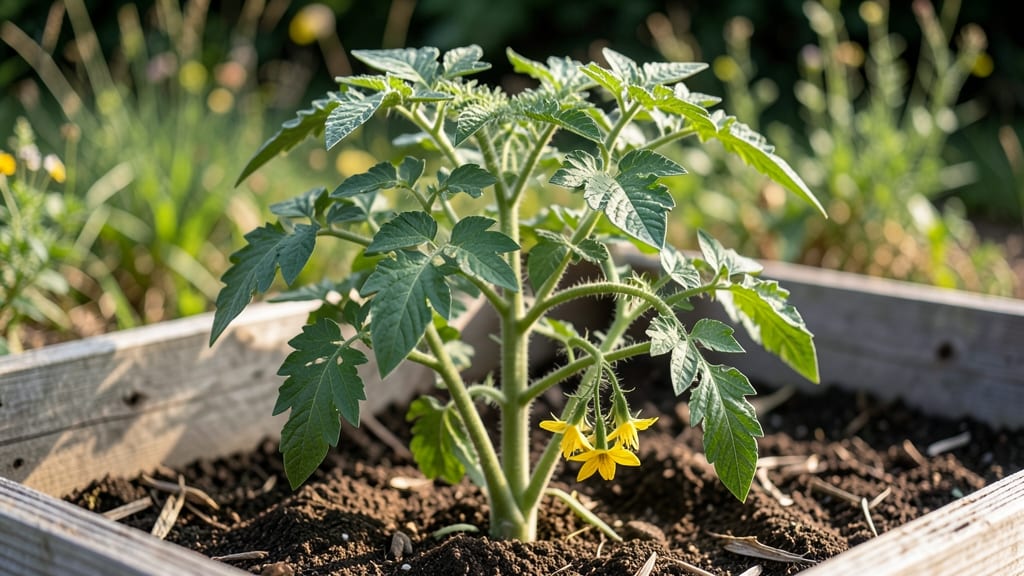
Your tomato plant is throwing flowers but refusing to set fruit? 🌱 That’s the classic sign of blossom end rot—or one of half a dozen other hidden problems.
I’ve seen gardeners throw up their hands after a season of blooms and no tomatoes, only to realize they were missing one simple fix (or three).
The good news is that 90% of the time, it’s not a disease or pests—just a mismatch between what your plant needs and what you’re giving it. Too much water, not enough calcium, poor pollination, or even a lack of sunlight can all sabotage fruit production.
My plants went from zero tomatoes to bushels after adjusting just two things: watering routine and a sprinkle of crushed eggshells around the base. You’ll walk away knowing exactly what’s stopping your tomatoes, how to diagnose it fast, and the foolproof fixes that actually work.
No more guessing, no more wasted seasons—just a harvest you can finally enjoy.
First, let’s rule out the most common culprits: blossom end rot (the classic calcium deficiency), inconsistent watering, or even heat stress. I’ve had plants with perfect flowers that never set fruit because they were getting too much water some days and none the next.
Tomatoes need 1-1.5 inches of water per week, delivered consistently—not in sporadic gulps. Then there’s the pollination puzzle. If your flowers aren’t turning into tiny tomatoes, it might be because bees aren’t visiting (or your plants are indoors).
A quick shake of the plant or a soft brush with a paintbrush can do the trick—it’s that simple.
The real game-changer? Calcium. Blossom end rot starts as small dark spots on the bottom of tomatoes and spreads if ignored. A handful of crushed eggshells or a calcium supplement in your watering can turn things around in 10-14 days.
I’ve seen plants recover completely after just one treatment. Once you’ve checked these basics, you’ll know whether your tomatoes need more sun, better watering, or a little extra help with pollination. Let’s get those fruits growing!
Root Causes of Tomato Failures
When your tomato plants look healthy but refuse to produce fruit, the issue often lies beneath the surface—literally. Understanding why your plants are struggling to set tomatoes helps you take targeted action. Here’s a breakdown of the most common culprits, explained in clear, science-backed terms.
Tomatoes rely on pollination to form fruit, and without it, flowers drop off without developing into tomatoes. Why it happens: - Lack of pollinators: Bees, butterflies, and other insects are essential for transferring pollen between flowers.
If your garden lacks these visitors—due to pesticides, urban settings, or early/late planting—pollination suffers. - Wind limitations: While tomatoes can self-pollinate, wind or gentle shaking helps transfer pollen.
Greenhouse-grown plants or those in sheltered spots may miss out. - High humidity or rain: Excess moisture can prevent pollen from sticking to stigmas (the flower’s receptive part), leading to failed fertilization.
Actionable fix: Hand-pollinate by gently shaking plants or using a small brush to transfer pollen from male to female flowers (the female flowers have a tiny tomato bud at their base).
Tomatoes are heavy feeders, and even minor nutrient deficiencies can halt fruit production. Key deficiencies to watch for: - Calcium deficiency (Blossom End Rot): While this causes dark spots on tomatoes, it also prevents proper cell wall formation in flowers, leading to dropped blossoms.
Calcium is often lacking due to: - Improper pH levels (tomatoes thrive in slightly acidic soil, pH 6.0–6.8; alkaline soil locks out calcium). - Over-reliance on nitrogen (lush green growth at the expense of fruit development). - Poor soil structure (compacted or waterlogged soil restricts root uptake). - Phosphorus or potassium shortages: These nutrients support energy transfer and root growth.
A deficiency may cause weak flowers or poor fruit set.
Actionable fix:
- Test your soil (home kits or lab tests) to check pH and nutrient levels.
- Amend soil with crushed eggshells, bone meal, or a balanced fertilizer (like 10-10-10) to boost calcium and other essentials.
- Use foliar sprays of calcium nitrate for quick absorption.
Tomatoes are sensitive to extreme conditions, which can trigger flower drop or prevent fruit from forming. Common triggers: - Temperature swings: - Too hot (above 90°F/32°C): High heat disrupts pollen production and flower development.
Flowers may form but fail to set fruit. - Too cold (below 55°F/13°C): Chilly nights can cause flowers to abort before pollination. - Inconsistent watering: Fluctuating moisture levels stress plants, leading to abscission (the natural dropping of flowers/fruit).
Drought stress or sudden waterlogging both trigger this response. - Transplant shock: Moving young plants (even from pots to soil) can cause a delay in flowering or fruit set as the plant diverts energy to root recovery.
Actionable fix:
- Mulch heavily to stabilize soil temperature and retain moisture.
- Provide shade cloth during heatwaves to protect flowers.
- Water deeply and consistently (1–2 inches per week), avoiding wetting leaves to prevent disease.
- Acclimate plants gradually before transplanting (harden off seedlings over 7–10 days).
Hidden attackers can sap your plant’s energy, leaving it too weak to produce tomatoes. Top culprits: - Sucking pests (aphids, whiteflies, spider mites): These drain sap, causing stunted growth and flower drop.
They also spread viral diseases that further weaken plants. - Fungal infections (early blight, powdery mildew): These block sunlight and clog stomata (pores), reducing photosynthesis and energy for fruit development. - Root damage (nematodes, rot): Compromised roots limit nutrient and water uptake, leading to poor flowering.
Actionable fix:
- Inspect leaves and stems regularly for pests or unusual spots.
- Use neem oil or insecticidal soap for mild infestations.
- Rotate crops and practice crop rotation to break pest/disease cycles.
- Improve airflow by pruning and spacing plants properly.
Not all tomato varieties are created equal—some are bred for specific conditions or purposes. Why your plant might be underperforming: - Determinate vs. indeterminate mismatch: Determinate varieties produce a single flush of fruit and stop growing, while indeterminate types continue flowering.
If you’re expecting continuous harvests from a determinate plant, disappointment may follow. - Heat-sensitive varieties: Some tomatoes (like cherry varieties) struggle in extreme heat, dropping flowers or producing small, underdeveloped fruit. - Day-length requirements: Photoperiod-sensitive varieties (like some heirlooms) may delay flowering if daylight hours don’t meet their needs.
Actionable fix:
- Choose varieties suited to your climate (e.g., heat-tolerant types like ‘Solar Fire’ or ‘Heatmaster’).
- Adjust planting times to align with your region’s growing season.
- Research your plant’s traits before purchasing seeds or seedlings.
Revive Your Tomato Harvest Now
No tomatoes on your tomato plant? Don’t panic—this is often a fixable issue! Below, we’ve mapped out practical solutions for the most common causes, from soil imbalances to environmental stressors.
Each fix is designed to be easy to implement, whether you’re a seasoned gardener or a beginner. Let’s get those tomatoes growing again!
Blossom end rot (BER) is the #1 reason tomatoes fail to form properly. This condition causes dark, sunken spots on the fruit’s bottom, stunting growth or preventing harvest entirely. Calcium deficiency is the culprit, but the fix is simple:
🔥 Step 1: Test Your Soil
Before adding calcium, check if your soil is truly deficient: - DIY test: Mix 1 cup of soil with 2 cups of vinegar. If it fizzes, your soil has enough calcium.
If not, it’s time to supplement. - pH check: Ideal soil pH for tomatoes is 6.0–6.8. Use a soil test kit (available at garden centers) to confirm.
🍳 Step 2: Apply Calcium Quickly
Tomatoes need calcium in a form they can absorb fast. Try these methods: - Crushed eggshells: Boil eggshells, dry them, and grind into a fine powder.
Sprinkle around the base of the plant (1–2 tbsp per plant). Pro tip: 💡 Mix with water and spray foliage lightly for faster uptake. - Calcium supplements: Use calcium nitrate (0.5 tsp per gallon of water) or gypsum (powdered calcium sulfate).
Water deeply at the soil line—never on leaves to avoid burns. - Epsom salt (for magnesium boost): While not a direct calcium fix, it helps with nutrient balance. Dissolve 1 tbsp in a gallon of water and apply every 2 weeks.
👨🍳 Step 3: Improve Watering Habits
Inconsistent watering stresses plants, worsening BER.
Follow this routine: - Water deeply 1–2 times per week (depending on climate), ensuring the top 6 inches of soil stay moist. - Avoid wetting leaves—water at the base to prevent fungal diseases. - Use mulch (straw or shredded leaves) to retain moisture and regulate soil temperature.
Hot weather can cause flower drop or poor fruit set, leaving you with no tomatoes. Here’s how to cool things down:
🌿 Shade & Airflow Hacks
- Provide afternoon shade (1–3 PM) with a lightweight shade cloth (30–50% coverage) during heatwaves.
- Prune lower leaves to improve airflow and reduce humidity around flowers.
- Space plants 18–24 inches apart to prevent overcrowding, which traps heat.
✨ Boost Pollination Naturally
Tomatoes rely on bees or wind to pollinate flowers.
If you’re in a low-pollination zone: - Hand-pollinate: Gently shake the plant in the morning or use a small paintbrush to transfer pollen from one flower to another. - Plant pollinator-friendly flowers nearby (e.g., marigolds, basil, or borage) to attract bees.
Pests like hornworms, aphids, or fungal infections can weaken plants, leading to poor fruit production.
🐜 Pest Control Checklist
| Pest | Signs | Fix |
|---|---|---|
| Hornworms | Large green caterpillars, chewed leaves | Handpick at night (they’re nocturnal!) or use BT (Bacillus thuringiensis) spray. |
| Aphids | Sticky residue, curled leaves | Spray with soapy water (1 tsp mild soap per quart of water) or introduce ladybugs. |
| Whiteflies | Tiny white bugs on undersides of leaves | Use yellow sticky traps or neem oil spray. |
🍄 Fungal Disease Prevention
- Remove infected leaves immediately and destroy them (don’t compost!).
- Water in the morning to allow foliage to dry quickly.
- Space plants for airflow and avoid overhead watering.
Once you’ve revived your plants, keep them thriving with these proactive strategies:
- 💡 Soil enrichment: Before planting, mix compost or aged manure into the soil to improve calcium and nutrient availability.
- 🌡️ Mulch heavily: Use straw or wood chips to maintain even moisture and temperature.
- 🍅 Choose the right varieties: Some tomatoes (like ‘Solar Fire’ or ‘Heatmaster’) are bred for heat tolerance.
- 📅 Plant at the right time: Avoid transplanting when nights are still chilly—wait until after the last frost and soil is warm (60°F+).
Remember: Tomatoes are resilient! With these fixes, you’ll likely see new blossoms in 2–4 weeks and a bountiful harvest soon after. 🍅🌟 Stay patient, and happy gardening!
Frequently asked questions
Why are my tomato flowers falling off before turning into fruit?
This usually happens due to temperature stress (too hot or too cold), poor pollination, or nutrient imbalances. Flowers drop when nights dip below 55°F or days exceed 90°F. Hand-pollinate with a paintbrush or shake plants gently in the morning to help. Check for consistent watering too—fluctuations cause stress.
How do I know if my tomato plant has blossom end rot?
Look for dark, sunken spots on the blossom end (bottom) of tomatoes. This happens when calcium levels are low, often from inconsistent watering or alkaline soil. Fix it by watering deeply 1-2 times per week and adding crushed eggshells or calcium nitrate to the soil.
Can I still save my tomato plant if it’s already showing signs of disease?
Yes! For early blight, remove infected leaves immediately and space plants for better airflow. For powdery mildew, spray with neem oil and water in the morning. Prune to improve circulation, and avoid overhead watering. Most plants recover fully with prompt action—just stay consistent for 2-3 weeks.
What’s the difference between determinate and indeterminate tomato plants?
Determinate varieties grow to a fixed size and produce fruit all at once (great for canning), while indeterminate types keep growing and flowering all season (better for fresh eating). If your plant isn’t producing, check if you planted the wrong type for your needs—indeterminate varieties need staking or cages for support.
How long does it take to see new tomatoes after fixing the problem?
With proper care, you’ll typically see new blossoms in 2-4 weeks and tiny tomatoes forming shortly after. Calcium supplements (like eggshells) work in 10-14 days, while pollination fixes show results faster. Patience is key—tomatoes need time to recover, but consistent watering and nutrient balance speed up the process.