
Flowers
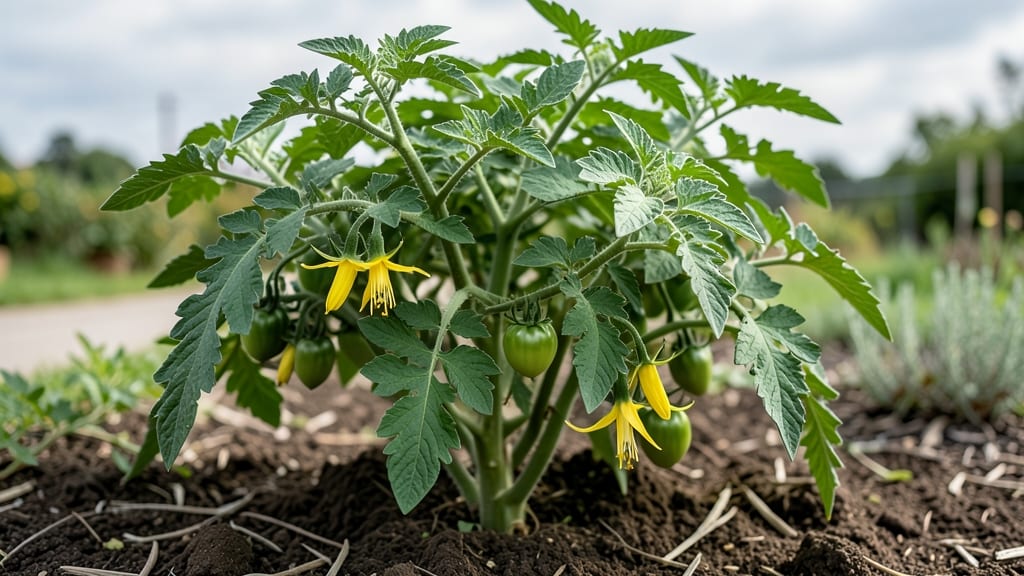
Male tomato flowers drop naturally as part of the plant’s reproductive cycle, but excessive shedding can signal stress or poor pollination. Prune early blooms to redirect energy to fruit-bearing flowers and ensure consistent watering, sunlight, and balanced fertilization to preserve remaining blooms and improve yields.
Tomato plants produce male flowers primarily to create pollen, which fertilizes female flowers that develop into fruit. 🌱 When you see these small, yellow blossoms falling off, it's usually a sign the plant is focusing its energy on fruit production—but if it happens excessively, your plant might be struggling.
Overcrowding, inconsistent watering, or nutrient imbalances can trigger this response, so check your plant's environment and care routine. I've found that a light pruning session can help redirect energy where it's needed most, especially during hot summer months when plants often stress.
What many gardeners don't realize is that male flowers actually serve as a buffer system. When conditions are less than ideal, the plant sacrifices these non-fruit-bearing blooms first to conserve resources.
The key is maintaining balanced care—think of it like giving your tomato plant a spa day: proper hydration, nutrient-rich soil, and just the right amount of sunlight can work wonders for keeping those female flowers happy and producing.
💡 In This Article
- Why Tomato Plants Drop Male Flowers Naturally
- How to Boost Fruit Production After Male Flower Drop
Why tomato plants drop male flowers naturally
Tomato plants use male flowers as pollen factories—these small, yellow blossoms produce pollen to fertilize female flowers, which develop into fruit. When conditions are ideal, male flowers typically drop after serving their purpose, allowing the plant to redirect energy to fruit-bearing female flowers.
This natural process helps the plant conserve resources, especially during periods of rapid growth or when fruit load becomes heavy. Think of it like a plant's built-in energy management system: it prioritizes what will yield the most tomatoes rather than wasting resources on non-fruit-bearing blooms.
The botanical mechanism involves a hormone called ethylene, which triggers flower drop when the plant senses it has enough pollen for fertilization.
Male flowers often appear first in early spring, creating a "pollen bank" before female flowers emerge with their signature white petals and tiny green fruit buds. 🌿 During hot weather (above 85°F), this process accelerates as the plant focuses on survival rather than reproduction.
Excessive male flower drop, however, can indicate stress—whether from inconsistent watering (fluctuations between dry and soggy soil), nutrient deficiencies (especially low phosphorus or potassium), or overcrowding that limits airflow and sunlight penetration.
Female flowers, recognizable by their small fruit buds at the base, require more energy to develop. When male flowers drop prematurely, it's often a sign the plant is struggling to balance its energy allocation.
For example, a tomato plant with 10+ fruits may drop male flowers to focus on ripening existing tomatoes rather than producing more. This is why gardeners often see heavy male flower drop during the plant's first flowering stage—it's preparing for the main fruit production phase.
The key is observing the plant's overall health: vibrant green leaves and steady growth suggest natural resource allocation, while yellowing leaves or stunted growth may indicate underlying stress.
Seasonal timing plays a crucial role in this process. Early in the season, male flowers dominate as the plant establishes its pollen supply. By mid-summer, female flowers should take over as the primary focus.
If you notice male flowers persisting into late summer, it could mean the plant hasn't received enough phosphorus (the "fruit" nutrient) or is experiencing heat stress. A quick soil test can reveal deficiencies—ideal tomato soil should have a 1-2% phosphorus content.
Even a small adjustment, like adding bone meal (3-4 tablespoons per plant), can help shift the plant's energy toward fruit production.
Comparing male and female flowers reveals their distinct roles: male flowers are typically smaller with no fruit buds, while female flowers have a tiny tomato at their base. This physical difference helps gardeners identify which flowers to preserve.
When pruning, focus on removing only the earliest male flowers while leaving later ones that may still contribute to pollination. The goal is to maintain a 1:1 ratio of male to female flowers during peak production—any imbalance can lead to excessive flower drop and reduced yields.
What most gardeners overlook is how environmental factors interact with this process. For instance, a sudden drop in temperature below 55°F can trigger mass flower drop as the plant conserves energy. Similarly, overwatering (which causes root suffocation) or underwatering (which stresses the plant) both disrupt the natural hormone balance.
The solution lies in consistency: water deeply 1-2 times per week (depending on climate) and maintain soil moisture at 60-70% capacity. This stability helps the plant focus on fruit development rather than survival mode.