
Flowers
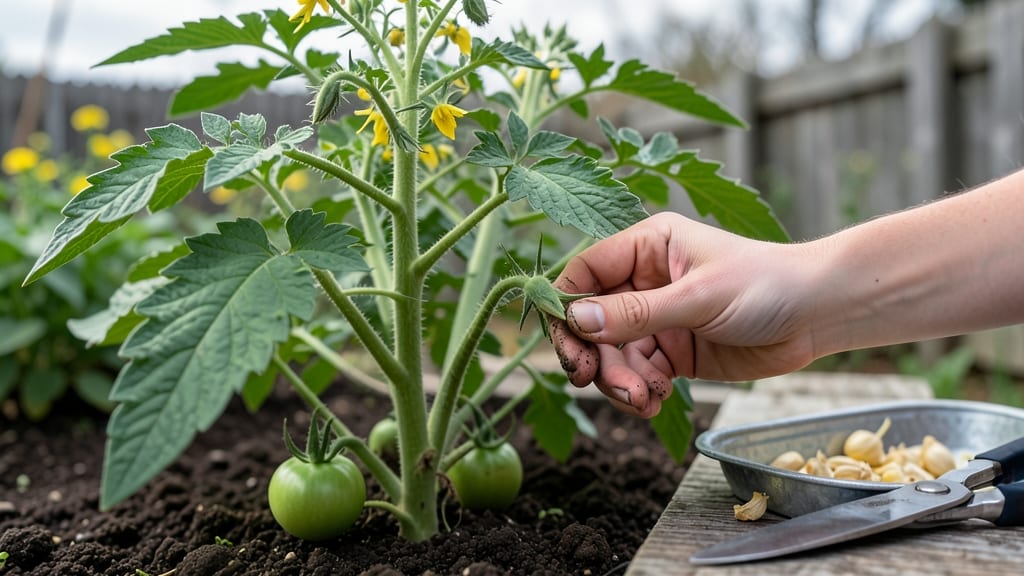
Pinching off tomato flowers sounds extreme, but it’s the simple trick that turns tiny cherries into beefsteak-sized tomatoes. 🌱 I learned this after years of harvesting pint-sized fruits—until I realized my plants were overloaded with blossoms. The secret? Removing early flowers lets the plant focus energy on fewer, larger fruits.
You’ll need just your fingers (no tools required) and a clear morning to work. For indeterminate varieties, pinch off the first few flowers that appear on the main stem—usually 3-5 clusters—to encourage stronger growth.
Determinate tomatoes need a lighter touch: remove only the first blossoms to avoid overloading the plant before harvest. The payoff? Fruits that double in size and stay sweeter longer.
Timing matters most: wait until the plant has 5-7 true leaves before starting, and stop after the first 6-8 fruit clusters form. This method works especially well in hot climates where plants produce too many flowers at once.
The trade-off is fewer fruits, but each one will be heavier, juicier, and worth the wait.
Pro tip: If you miss the early flowers, don’t stress—just focus on removing suckers and thinning later blooms as the season progresses. Even a partial pinch-off improves results. For best success, start this trick in late spring when temperatures stabilize above 55°F.
📚 In This Guide
- What you need
- Instructions
- Tips and common mistakes
- Wrapping up and next steps
What you need
- ● Healthy tomato plants (determinate or indeterminate, but indeterminate varieties benefit most from this technique).
- ● Sharp, clean scissors or pruning shears (sterilize with rubbing alcohol to prevent disease).
- ○ Gloves (optional but recommended)—to protect your hands from thorns and dirt.
- ● Sunny outdoor space or a sturdy container (if growing in pots).
- ● Watering can or hose with a gentle spray nozzle—for post-pruning hydration.
- ● Garden twine or stakes—to support vines as they grow heavier with fewer flowers.
- ● Balanced fertilizer (10-10-10 or similar)—to encourage stronger growth after pruning.
- ● Pruning spray (copper-based)—if you want to disinfect tools between plants.
- ● Notebook & pen—to track which flowers/vines you’ve pinched for consistency.
Step-by-step instructions for pinching tomato flowers
This simple technique redirects energy into fewer, larger fruits—here's exactly how to do it right.
🌱 Step 1: Identify the Right Flowers to Remove
Focus on removing only the first 3-5 flower clusters that form at the base of each stem. These early blooms compete with developing fruit for the plant's energy, often resulting in small, underdeveloped tomatoes. Look for clusters with tiny white or yellow buds—these are the ones to target.
I always start from the bottom of the plant and work upward. This ensures the plant puts its energy into the remaining flowers higher up, which will develop into your largest, most flavorful tomatoes. Don't remove every flower—just the first few clusters. You'll know you're doing it right when you see stronger growth in the upper stem after a few days.
✂️ Step 2: Use the Correct Pinching Technique
Use your thumb and forefinger to gently pinch the flower cluster off at its base, just above where it meets the stem. Avoid tearing the stem—this can introduce disease. The goal is a clean break that leaves the stem intact. If you're unsure, look for the small leaf-like structure at the base of the flower cluster; pinch just above that.
Timing matters here: do this when the flowers are small but visible—about the size of a pea. Waiting until they're fully open means you've already wasted the plant's energy on blooms that won't develop into fruit. I like to do this in the early morning, when the plant is turgid and easier to handle.
🌿 Step 3: Monitor Plant Response and Adjust
After pinching, watch for new leaf growth between the remaining flower clusters. This is your signal that the plant is redirecting energy upward. You might also notice stronger stem development—this indicates the plant is investing in future fruit production rather than supporting early, small tomatoes.
Continue monitoring the plant weekly. If you see new flower clusters forming below the first set you removed, pinch those off too. The goal is to leave only the top 3-4 clusters on each stem. This ensures all the plant's energy goes into developing large, high-quality tomatoes rather than spreading energy thin across many small fruits.
☀️ Step 4: Support the Plant Through Fruit Development
Once you've pinched off the early flowers, the plant will focus on the remaining clusters. To maximize success, ensure it gets full sun (6-8 hours daily) and consistent moisture—water deeply 1-2 times per week, depending on your climate. Avoid overhead watering, which can spread disease to the remaining flowers.
You'll know the technique is working when the remaining flowers develop into large, firm tomatoes rather than small, misshapen ones. Harvest these when they're fully colored and slightly soft to touch—this ensures peak flavor and prevents overripening on the vine.
Tips & tricks for perfect tomato flower pinching
This simple technique transforms your tomato harvest—here's how to avoid common pitfalls and maximize results.
Timing Secret: The early morning is your best window for pinching—between 7 and 9 AM when plants are hydrated and flowers are still small. I've learned this the hard way after watching flowers open too soon, forcing me to pinch blooms that had already wasted precious plant energy. Look for those tiny white or yellow buds (about the size of a pea) that haven't yet opened their petals—those are your targets.
Plant Response Cues: After pinching, watch for two key signals that confirm you're on the right track: first, new leaf growth between remaining flower clusters (this shows energy redirection), and second, stronger stem development above your pinched areas. I once missed these signs and ended up with multiple small tomatoes instead of the few large ones I was aiming for. The plant's growth pattern tells you everything you need to know about whether the technique is working.
Weekly Maintenance: This isn't a one-and-done task—continue monitoring your plants weekly. Any new flower clusters that form below your first pinched areas need removal too. The goal is to leave only the top 3-4 clusters per stem. I've seen gardeners get frustrated when their tomatoes didn't grow larger, only to realize they hadn't maintained the pinching throughout the growing season. Consistency is key to achieving those beefsteak-sized tomatoes.
Environmental Support: While pinching redirects energy, your plant still needs proper care to maximize results. Ensure those remaining flower clusters get full sun (6-8 hours daily) and consistent moisture with deep watering 1-2 times per week. I've noticed that plants under stress (from drought or heat) don't respond as well to pinching—they're already diverting energy to survival rather than fruit development. Support their overall health for the best results.
Pro Tips for Pinch Off Tomato Flowers
- This simple technique transforms your tomato harvest—here's how to avoid common pitfalls and maximize results.
- Timing Secret: The early morning is your best window for pinching—between 7 and 9 AM when plants are hydrated and flo...
- Plant Response Cues: After pinching, watch for two key signals that confirm you're on the right track: first, new lea...
Frequently asked questions
Got questions about pinching off tomato flowers? You’re not alone! Here are some of the most common concerns—and straightforward answers—to help you master this technique like a pro.
Why should I pinch off tomato flowers at all?
Pinching off early flowers redirects the plant’s energy toward stronger roots and stems, leading to bigger, healthier fruits later in the season. It’s especially useful for indeterminate tomatoes (like cherry or beefsteak varieties) that grow continuously.
When is the best time to start pinching?
For indeterminate tomatoes, start when the plant is 6–12 inches tall and has 4–6 true leaves. For determinate tomatoes (bush varieties), skip this step—they produce fruit all at once and benefit from early blooms. Pro tip: Wait until the plant is well-established (after 4–6 weeks of growth) to avoid stressing it.
What if I miss the window to pinch flowers?
No worries! If you’ve already let flowers set, focus on pruning suckers (the shoots between the stem and branches) and giving the plant extra nutrients (like phosphorus) to support existing fruit. Late pinching won’t hurt—it just won’t boost size as effectively.
Does this trick work for all tomato varieties?
Not quite! Indeterminate tomatoes (vining types) thrive with early flower removal, but determinate tomatoes (bush types) should keep their flowers—they’re bred to produce fruit all at once. Always check your seed packet or plant tag for guidance!
What if my tomato plant looks sad after pinching?
It’s normal for the plant to slow down temporarily—it’s redirecting energy! Keep it well-watered, in full sun, and fertilize lightly with a balanced 10-10-10 or tomato-specific feed. In 1–2 weeks, you’ll see new growth and bigger future blooms!
Wrapping up and next steps
Pinching off tomato flowers might seem counterintuitive, but it’s a game-changer for bigger, healthier fruit! 🌱 By controlling early blooms, you redirect energy to stronger plants and larger harvests—perfect for gardeners eager to maximize their yield. This simple trick takes just minutes and can transform your tomato game.
Ready to try it? Start with your next planting season and watch your tomatoes thrive! Pro tip: Keep a journal to track which varieties benefit most—you’ll be amazed at the results. Happy gardening! 🌿