
Companion Plants
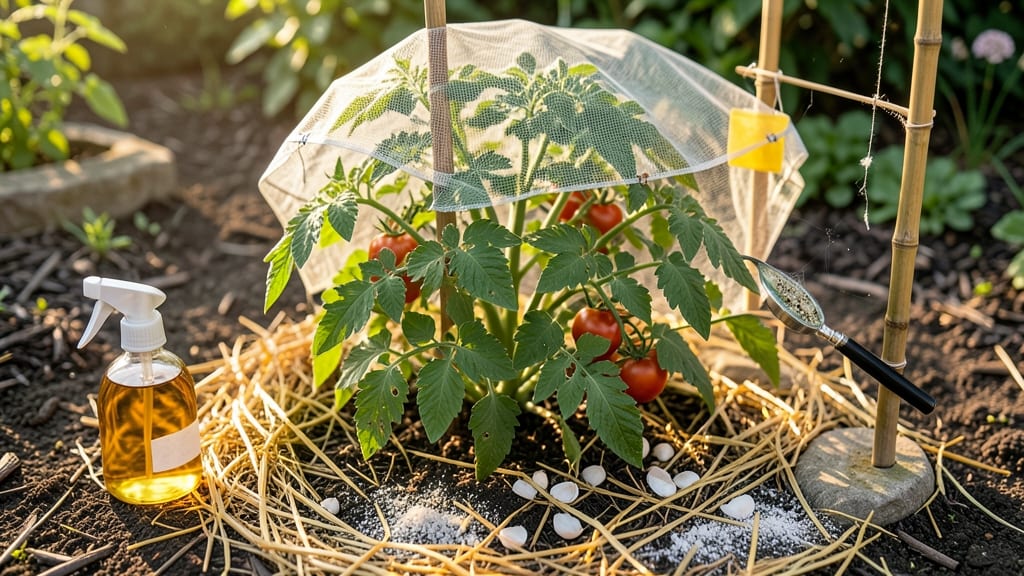
Keeping pests off tomato plants starts with understanding their favorite snacks—aphids, hornworms, and blight all have telltale signs you can spot early. 🌱 I’ve lost entire tomato cages to hornworms before, but now I use a mix of companion plants, row covers, and a few strategic sprays that actually work.
The key is acting fast before the pests become a full-blown invasion.
First, plant basil, marigolds, or nasturtiums near your tomatoes—they confuse pests with their strong scents. Add floating row covers at the first sign of trouble, and check leaves daily for chewed edges or sticky residue (aphids).
Neem oil is my go-to spray for early prevention, but I only use it once every two weeks—overdoing it can harm bees.
By midseason, you’ll notice fewer holes in leaves and more tomatoes ripening on the vine. The plants stay stronger, healthier, and you avoid the heartbreak of a ruined harvest. Even if pests show up, you’ll catch them early enough to save the crop.
This method works for container gardens, raised beds, or in-ground plots—just adjust the spacing for companion plants. The best part? No chemicals, no guesswork, and no more giving up on tomatoes. Let’s get those plants protected!
📚 In This Guide
- What you need
- Instructions
- Tips and common mistakes
- Wrapping up and next steps
What you need
- ● Companion plants: Marigolds (5-10 plants), basil (3-5 plants), nasturtiums (5-10 plants), borage (2-3 plants), or garlic chives (3-5 plants).
- ● Row covers: Lightweight, breathable fabric (e.g., floating row covers) to fit your garden bed (measure your space first!).
- ● Organic mulch: Straw, grass clippings, or wood chips (2-3 inches thick, enough to cover the base of plants).
- ● Diatomaceous earth (food-grade): 1-2 pounds (sprinkle lightly around plant bases).
- ● Neem oil: 1-2 tablespoons (mix with water and a drop of dish soap for spraying).
- ● Spray bottle or garden sprayer: 1-2 (16 oz or larger for neem oil mixtures).
- ● Gloves and long sleeves: 1 pair (for handling mulch or sprays).
- ● Pruning shears: 1 pair (for trimming affected leaves).
- ● Beneficial insects: Ladybugs, lacewings, or predatory mites (purchase online or attract with companion plants).
- ● Copper tape: 1-2 rolls (wrap around the base of plants to deter slugs/snails).
- ● Beer traps: Small containers filled with beer (for slugs/snails—place near plants).
- ● Reflective tape or aluminum foil: Small strips (scare off birds or pests with movement).
- ● Compost or worm castings: 1-2 cups (boosts plant health and resilience).
Step-by-Step instructions for creating natural pest barriers on tomato plants
Here's my go-to system for keeping tomato plants thriving without resorting to chemical sprays.
🌿 Step 1: Set Up Physical Barriers at Planting Time
Install row covers or floating row covers when transplanting seedlings. These lightweight fabrics create an instant shield against flying insects like aphids and whiteflies. Secure the edges with soil or bricks to prevent pests from crawling underneath. I use fine mesh (15-30 mil) that allows sunlight and water through while blocking pests.
For established plants, wrap the lower 6-12 inches of stems with cardboard collars to deter cutworms. Remove any mulch touching the stems—this creates a moist highway for pests. The key is creating a physical barrier that insects can't penetrate without tearing through the material.
💧 Step 2: Implement Companion Planting Strategies
Interplant tomatoes with basil, marigolds, or nasturtiums to confuse pests with their strong scents. Basil repels whiteflies and thrips, while marigolds deter nematodes and aphids through their natural pyrethrin compounds. Place companion plants within 12-18 inches of tomato stems for maximum effectiveness.
I also rotate planting locations yearly to prevent soil-borne pests from establishing patterns. The scent disruption from companion plants works best when you maintain a consistent layout—don't scatter plants randomly. Watch for companion plants competing with tomatoes for nutrients and thin them if needed.
☀️ Step 3: Apply Homemade Sprays for Immediate Protection
Mix a garlic-chili spray by blending 4 cloves of garlic, 1 tablespoon cayenne pepper, 1 quart water, and 1 teaspoon dish soap. Strain and spray on foliage at dusk to avoid burning leaves in sunlight. This disrupts pests' feeding patterns while being completely organic. Reapply every 7-10 days or after rain.
For fungal issues like early blight, create a baking soda spray with 1 teaspoon baking soda, 1 quart water, and 1 tablespoon vegetable oil. The oil helps the solution stick to leaves. Test on a few leaves first—some varieties are sensitive to baking soda. You'll notice fewer spots within 3-5 days of consistent application.
✂️ Step 4: Practice Regular Maintenance and Inspections
Remove any yellowing or diseased leaves immediately to prevent spread. I inspect plants every 3 days during peak pest season, focusing on the undersides of leaves where pests hide. Prune suckers regularly—they provide hiding spots for pests and compete with fruit production.
Water at the base of plants in the morning to keep foliage dry, which deters fungal spores and soft-bodied insects. Avoid overhead watering after dark, as damp leaves overnight invite pests. The goal is to create an environment where pests can't establish themselves.
🪴 Step 5: Use Beneficial Insects as Natural Predators
Release ladybugs or lacewings in the early morning when they're least active. These predators feast on aphids, mites, and other soft-bodied pests. I introduce them when I first spot early signs of infestation—before the problem becomes visible to the naked eye. Keep them in a shaded, moist environment until dusk for best results.
Plant dill or fennel nearby to attract parasitic wasps that target tomato hornworms. The wasps lay eggs on hornworms, and their larvae will devour the pests from the inside out. You'll see fewer hornworms within 2 weeks of establishing this ecosystem balance.
Tips & tricks for natural tomato pest protection
These game-changing strategies will help you build an impenetrable defense system for your tomato plants—without a single chemical in sight.
Barrier Placement Precision: When installing row covers in Step 1, leave a slight overlap (about 2-3 inches) between sections to create a seamless barrier. I learned this the hard way after watching aphids slip through gaps during a windstorm. Secure edges with heavy objects like bricks or landscape pins rather than just soil—wind can lift lightweight covers otherwise. For cardboard collars, use sturdy, untreated cardboard (like cereal boxes) cut to fit snugly around stems, leaving no gaps where cutworms can crawl up.
Companion Plant Layout: In Step 2, arrange your companion plants in a circular pattern around tomato stems rather than in straight rows. This creates a 360-degree scent barrier that confuses pests trying to locate your tomatoes. I also recommend planting basil closest to the tomato stems—its strong scent is most effective when in direct proximity. For marigolds, choose French marigolds (Tagetes patula) over African varieties; they have the highest pyrethrin content for pest deterrence. Rotate your planting locations annually to disrupt soil-borne pest cycles, but mark your garden layout so you don't accidentally replant tomatoes in the same spot.
Spray Application Technique: For the garlic-chili spray in Step 3, use a fine mist setting on your sprayer to ensure even coverage on both leaf surfaces. I apply it in the early evening when pests are most active but before temperatures drop too much. The dish soap in the recipe isn't just for sticking—it disrupts the waxy coating on many insect bodies. For the baking soda spray, mix it in a glass container rather than plastic, as the solution can degrade some plastics over time. Always test sprays on a few leaves first; some heirloom varieties are particularly sensitive to baking soda concentrations.
Beneficial Insect Timing: When releasing ladybugs or lacewings in Step 5, time their introduction to coincide with the first signs of soft-bodied pests like aphids or whiteflies. I've found that introducing them at dawn gives them time to settle before the heat of the day. Keep them in a shaded, moist environment (like a damp towel in a ventilated container) until dusk to prevent dehydration. For parasitic wasps, plant dill or fennel at least 18 inches away from tomato plants—too close and the wasps might target your herbs instead of the hornworms. You'll typically see results within 7-14 days of establishing this predator-prey relationship.
Pro Tips for Keep Pests Off Tomato Plants
- These game-changing strategies will help you build an impenetrable defense system for your tomato plants—without a single chemical in sight.
- Barrier Placement Precision: When installing row covers in Step 1, leave a slight overlap (about 2-3 inches) between sections to create a seamless barrier.
- Companion Plant Layout: In Step 2, arrange your companion plants in a circular pattern around tomato stems rather than in straight rows.
Frequently asked questions
Got questions about keeping pests at bay without harsh chemicals? Here are some common ones—and their answers!
What’s the best companion plant to deter pests from tomato plants?
Marigolds, basil, and nasturtiums are top picks! Marigolds repel nematodes and aphids, basil deters whiteflies and thrips, and nasturtiums lure aphids away from your tomatoes. Plant them around (not too close) for maximum effect.
How often should I apply natural pest deterrents like neem oil or garlic spray?
Apply neem oil or garlic spray every 7–10 days or after heavy rain to maintain protection. For physical barriers like row covers, use them consistently during peak pest seasons (early morning/late evening for best results).
Will companion plants actually work, or do I still need other methods?
Companion plants help reduce pests, but they’re not 100% foolproof. Combine them with physical barriers, homemade sprays, and good garden hygiene for the best defense. Think of them as a team effort!
What do I do if pests show up despite my prevention efforts?
Don’t panic! Start by handpicking larger pests (like hornworms) or spraying them off with a strong water jet. For stubborn infestations, try a soapy water spray (1 tsp mild soap per quart of water) or introduce beneficial insects like ladybugs or lacewings.
Can I use coffee grounds as a pest deterrent for tomatoes?
Yes! Coffee grounds repel slugs, snails, and some beetles when sprinkled around the base of plants. However, they can also attract ants, so use them sparingly and pair them with diatomaceous earth to balance the effects.
Wrapping up and next steps
Keeping pests at bay from your tomato plants doesn’t have to mean harsh chemicals—just a little strategy and nature’s help! 🌱 With companion planting, organic sprays, and smart garden habits, you can protect your plants while nurturing a thriving, chemical-free harvest.
Remember, consistency is key: check your plants regularly and act fast at the first sign of trouble.
You’ve got this! Now that you’re armed with these effective, eco-friendly tricks, why not share your success with fellow gardeners? Try one new method this week and watch your tomato plants flourish—your future juicy tomatoes are waiting! 🍅✨