
Vegetables
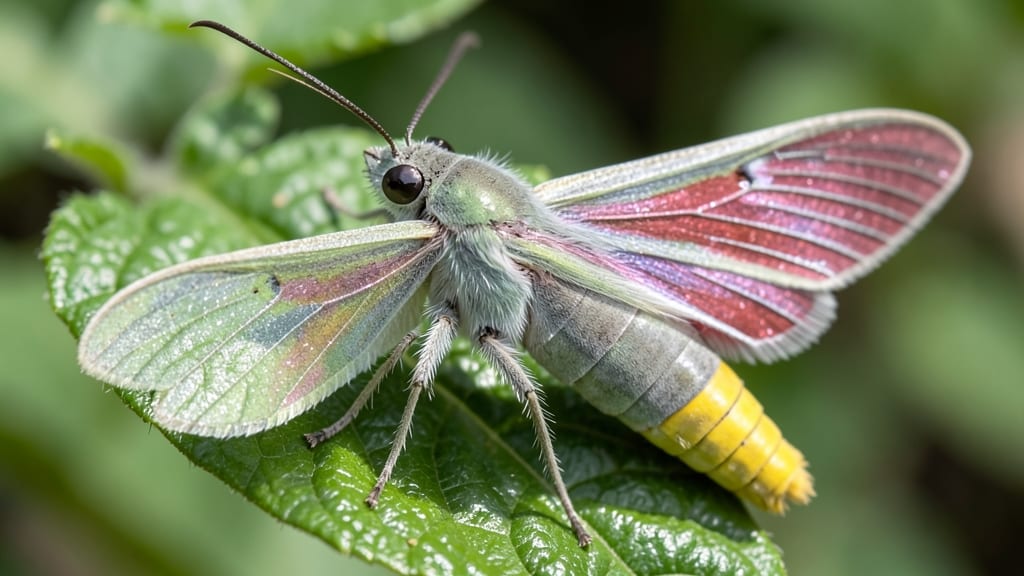
Your tomato plants could vanish overnight if you don’t recognize the tomato hornworm moth—those striped green caterpillars that turn leaves into lace. 🌿 I’ve lost entire vines to them, but now I know the exact signs to watch for and how to stop them before they strike.
These moths lay eggs on your plants in late spring, and within days, you’ll see voracious caterpillars devouring foliage and fruit. The good news?
They’re easy to spot if you check your plants twice a week—look for their distinctive white diagonal stripes and droppings that resemble tiny black grains of rice. With the right organic defenses—like handpicking, introducing parasitic wasps, or using BT spray—you can protect your harvest without chemicals.
The key is acting fast when you see the first signs, because once they’re established, they multiply quickly. This works for both backyard gardens and container-grown tomatoes. Let’s keep those plants thriving all season long!
Root Causes of Hornworm Outbreaks
Understanding why these voracious caterpillars and their moth parents invade your garden starts with science—and a little detective work. Here’s what’s really happening in your tomato patch, and why your plants might be under siege.
Tomato hornworms (Manduca sexta) thrive where their host plants—tomatoes, peppers, eggplants, and potatoes—are abundant. Here’s why your garden becomes their favorite buffet:
- Monoculture Planting: Gardens packed with the same plants (especially tomatoes) create a nutrient-rich smorgasbord for hornworms. 🍅🌶️ In nature, these caterpillars evolved to target Solanaceae plants—your lush tomato patch is basically an all-you-can-eat invitation. - Lack of Biodiversity: Fewer companion plants (like basil, marigolds, or dill) mean no natural predators (e.g., parasitic wasps, birds, or lacewings) to keep populations in check.
A diverse garden disrupts their life cycle by breaking up their preferred habitat. - Organic Fertilizer Overload: Rich, nitrogen-heavy soil (from compost or manure) makes plants juicier and more attractive to hornworms. While this boosts growth, it also signals to moths: "This is the perfect spot to lay eggs!"
Actionable Fix: Interplant tomatoes with basil, borage, or marigolds—these repel moths and attract beneficial insects. Rotate crops yearly to starve out hornworm populations.
The moths behind these caterpillars are master strategists, and their behavior explains why outbreaks happen when they do:
- Floral Scent Attraction: Female moths are drawn to tomato flowers (and other Solanaceae blooms) because the scent mimics their natural host plants. 🌸🐛 A single moth can lay up to 2,000 eggs in her lifetime—often on the undersides of leaves where they’re hidden from predators. - Warm, Humid Nights: Moths are nocturnal pollinators, and they’re most active when temperatures hover between 70–85°F (21–29°C) with high humidity.
This is why outbreaks spike in late spring to early summer—peak tomato-bloom season. - Light Pollution: Artificial lights (especially mercury vapor or white LEDs) disorient moths, causing them to cluster near gardens instead of flying away. This increases the chance of egg-laying right in your plants.
Actionable Fix:
- Remove spent tomato flowers in the evening to limit egg-laying sites.
- Use yellow bug lights (instead of white) to deter moths without harming beneficial insects.
- Handpick moths at dusk using a flashlight—they’re slow fliers and easy to catch.
Hornworms are top of the food chain in their larval stage, but gardens often lack the checks and balances that keep them in nature:
- Missing Parasitic Wasps: In the wild, braconid wasps lay eggs inside hornworms, turning them into zombie-like "mummy caterpillars." 🧵🐝 But in monoculture gardens, these wasps are absent because there’s no diversity to support their populations. - Pesticide Residue: Even organic sprays (like neem or pyrethrin) can repel or kill natural predators (like ladybugs or lacewings) that might otherwise control hornworm numbers. - Overwatered Soil: Soft, soggy soil makes it easier for hornworm pupae (the "hibernating" stage) to survive winter.
They burrow deep and emerge stronger in spring.
Actionable Fix:
- Plant "trap crops" like tobacco or datura to lure moths away from tomatoes.
- Introduce parasitic wasps (like Cotesia congregata) by purchasing them from garden centers or encouraging wild populations with native flowers.
- Reduce evening watering to let soil dry slightly—this stresses pupae and weakens emerging hornworms.
Mother Nature plays a huge role in hornworm population booms:
- Early Spring Warmth: Unseasonably warm springs trick hornworms into emerging earlier, giving them a head start on your tomato plants. 🌱⏳ A 10°F (5°C) temperature spike can accelerate their life cycle by weeks. - Drought Stress: While hornworms love juicy plants, mild drought stress in tomatoes actually makes them more vulnerable to hornworm damage because the plants can’t fight back as effectively. - Urban Heat Islands: Cities and suburban gardens often retain heat longer than rural areas, creating a longer hornworm season.
This means more generations per year and bigger outbreaks.
Actionable Fix:
- Use row covers in early spring to block moths from laying eggs until plants are established.
- Mulch with straw to regulate soil temperature and reduce heat stress on plants.
- Monitor weather forecasts—if a heatwave is predicted, increase scouting for eggs and caterpillars.
Simple Ways to Outsmart Garden Pests
If tomato hornworms and their moth parents are wreaking havoc on your garden, don’t despair—there are effective, organic solutions to reclaim your plants without harsh chemicals. Below, we break down cause-specific fixes and prevention tips tailored to your gardening style.
Cause: Large, visible caterpillars (hornworms) defoliating plants. Solution:
- 👨🍳 Scan plants daily (especially in the morning) for green, 3-4 inch caterpillars with white diagonal stripes and a horn-like tail.
- 🔪 Drop them into soapy water (a bucket with a few drops of dish soap) to kill them instantly. Pro tip: Use tongs or wear gloves—they can pinch!
- ⏰ Time it right: Pick after rain when they’re sluggish or in the evening when they’re less active.
Prevention:
- 🌱 Interplant with basil or dill—hornworms hate these herbs. Place them near tomatoes to deter munching.
- 🌙 Install yellow sticky traps near plants to catch adult moths before they lay eggs.
Cause: Moths laying eggs undetected, leading to rapid hornworm outbreaks. Solution:
- 🦋 Introduce parasitic wasps (Cotesia congregata). These tiny, harmless wasps lay eggs inside hornworms, killing them from within. Order them online or find them in garden centers.
- 🐸 Encourage ladybugs and lacewings—they eat hornworm eggs. Plant alyssum or marigolds to attract them.
- **🐢 Use nematodes (Heterorhabditis bacteriophora)—microscopic worms that attack hornworm larvae in the soil. Apply at dusk for best results.
Prevention:
- 🌿 Avoid over-fertilizing with nitrogen—lush, soft plants attract more hornworms. Use balanced organic fertilizers (like compost tea) for tougher foliage.
- 🌞 Prune lower leaves where eggs are often laid, removing and disposing of them in sealed bags.
Cause: Moths or young larvae slipping through other defenses. Solution:
- 🍋 Spray with neem oil (1 tbsp per quart of water + a drop of dish soap as an emulsifier). Reapply every 5–7 days after rain. Neem disrupts moths’ mating and egg-laying.
- 🌶️ Use hot pepper wax (mix cayenne pepper + beeswax + water, then spray). Hornworms avoid spicy plants!
- 🍃 Bacillus thuringiensis var. kurstaki (Btk)—a bacteria that targets caterpillars. Mix with water and spray directly on leaves (safe for humans/pets once dry).
Prevention:
- 🌙 Rotate spray schedules to prevent resistance. Alternate neem oil with Btk or insecticidal soap.
- 🌿 Plant garlic or chives around tomatoes—their strong scent repels moths.
Cause: Moths flying in from neighboring gardens. Solution:
- 🧵 Cover young tomato plants with floating row covers (lightweight fabric) until flowers appear. Remove during pollination.
- 🪟 Install fine mesh screens over greenhouse vents or hoop houses to block adult moths.
- 🌱 Use collars made from aluminum foil around stems—moths can’t lay eggs on smooth surfaces.
Prevention:
- 🌱 Plant sacred basil or lemon balm near tomatoes—their scent confuses moths.
- 🌿 Mulch heavily with straw to deter moths from landing on soil near plants.
Combine 2–3 methods for best results. For example:
- Hand-pick daily + neem oil spray (weekly).
- Install row covers early + release parasitic wasps.
- Plant companion herbs + use sticky traps.
💡 Pro Tip: Keep a garden journal to track outbreaks. Note when moths appear (often after warm, humid nights) and adjust your defense plan accordingly.
Remember: Patience is key—hornworms are tough, but with consistent, layered defenses**, your tomatoes will thrive! 🍅✨
Frequently asked questions
What do tomato hornworm moths look like?
Adult tomato hornworm moths are large, grayish-brown with a 6-inch wingspan and distinctive yellow and white markings on their wings. They’re often mistaken for hummingbird moths but lack the long proboscis. Look for them flying at dusk near tomato flowers.
How long does a tomato hornworm take to grow?
The complete life cycle from egg to adult moth takes about 4-6 weeks in warm conditions. Eggs hatch in 3-5 days, and caterpillars grow to full size (3-4 inches) in 2-3 weeks before pupating in the soil. This rapid growth is why outbreaks happen so quickly!
Can tomato hornworms eat other plants besides tomatoes?
Yes! While they prefer tomatoes, they’ll also devour peppers, eggplants, potatoes, and tobacco plants. The key is their love for Solanaceae family plants—anything in this group is fair game. This is why companion planting with non-host plants helps.
Are tomato hornworms harmful to humans?
No, they’re completely harmless to humans. While their venomous sting can irritate skin (like a bee sting), they won’t bite through clothing. The real concern is their appetite for your garden—one caterpillar can consume 8 square inches of leaves per day!
Why do I keep seeing hornworms even after spraying?
Moths can fly in from neighboring gardens, and eggs are often hidden on leaf undersides. Sprays like neem oil need consistent reapplication (every 5-7 days) to be effective. Combine sprays with handpicking and introducing parasitic wasps for better control.