
Size
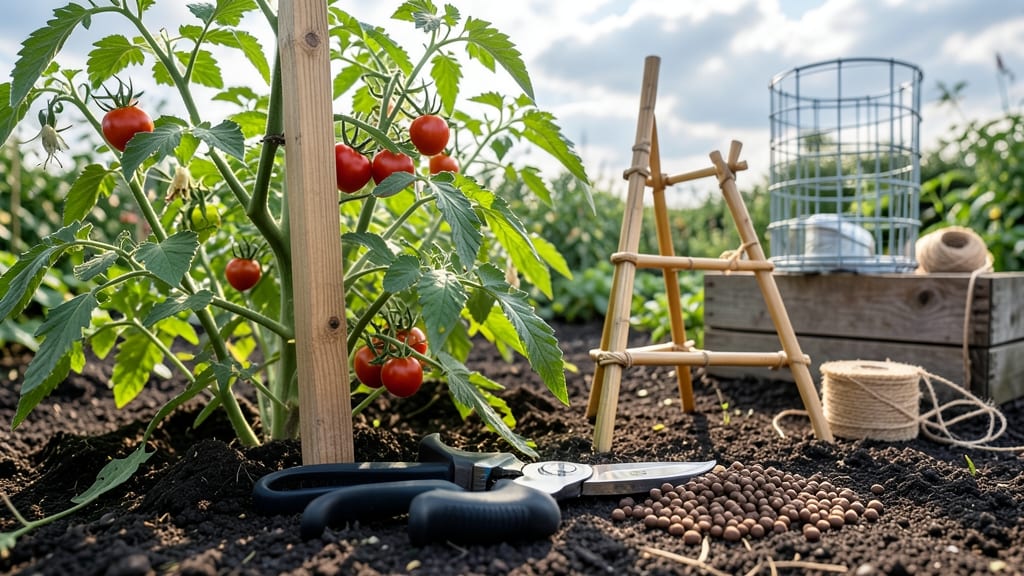
How to keep cherry tomato plants from getting too tall—that’s the moment you need to take control. 🌱 The secret to compact, bushy plants lies in a mix of smart pruning, the right support, and choosing the perfect varieties—no more leggy vines sprawling everywhere. I’ve turned my own cherry tomatoes from towering monsters into productive, manageable bushes using these five simple tricks that actually work.
First, pick determinate varieties—they naturally stay compact (like ‘Sweet 100’ or ‘Tiny Tim’). Then, prune regularly: snip off the suckers (those little shoots between stems) every 10-14 days to redirect energy into fruit.
For support, use cages or low stakes—never let them flop, but don’t let them climb either. The goal is to keep them 3-4 feet tall max, so they focus on producing instead of growing.
You’ll notice a difference in just 2-3 weeks: thicker stems, more flowers, and bigger clusters of sweet cherries. The plants stay sturdy, resist wind damage, and produce for weeks longer than their tall cousins. Plus, harvesting becomes a breeze—no more balancing on stools or wrestling with vines.
Works for containers, raised beds, or in-ground gardens. The key is consistency: prune early, support often, and choose the right varieties from the start. Here’s how to make it happen without sacrificing yield—or your sanity.
📚 In This Guide
- What you need
- Instructions
- Tips and common mistakes
- Wrapping up and next steps
What you need
- ● Cherry tomato seedlings or seeds – Start with compact or dwarf varieties like 'Tiny Tim,' 'Balcony Red,' or 'Micro Tom' for best results.
- ● Containers or garden bed – Use 5-gallon pots (1-2 per plant) or a well-draining raised bed with at least 12-18 inches of depth.
- ● Potting mix – A high-quality, well-draining blend (e.g., 60% potting soil + 40% perlite or compost). Avoid garden soil—it’s too dense!
- ● Support structures – Choose one of these: Cage or trellis (4-6 ft tall, but prune aggressively to keep plants short).
- ● Florida weave or tomato stakes (3-4 ft tall).
- ● Wall-mounted planters with built-in supports.
- ● Pruning shears or sharp scissors – Bypass pruners (clean and sterilized) work best for clean cuts.
- ● Balanced fertilizer – A 10-10-10 or 5-5-5 formula (organic options like fish emulsion or compost tea are great too!).
- ● Mulch – Straw, wood chips, or shredded leaves to retain moisture and suppress weeds.
- ● Watering can or hose with a gentle spray nozzle – Avoid soaking the leaves to prevent disease.
- ● Growth regulators – Pinch-off pruning or apical bud remover (for precise pruning).
- ● Slow-release fertilizer pellets – Mix into soil at planting for steady nutrients.
- ● Plant clips or twist ties – To secure vines to supports without damaging stems.
- ● Shade cloth (30-50%) – If your climate gets hotter than 90°F (32°C), use it to prevent stress.
- ● Compost or worm castings – Boost soil health and plant vigor naturally.
How to keep cherry tomato plants compact and bushy
Here’s my battle-tested approach to growing sturdy, productive cherry tomatoes that stay short and stocky instead of leggy and top-heavy.
🌿 Step 1: Start with the Right Variety and Support
Cherry tomatoes labeled as "bush" or "determinate" are your best bet—they naturally grow 4-5 feet tall instead of sprawling vines. Varieties like 'Sweet 100,' 'Tiny Tim,' or 'Patio Princess' stay compact without needing heavy pruning. Even indeterminate types can be controlled with proper support.
I use a cage or stake system from day one. For bush varieties, a 3-foot tomato cage is perfect—it channels growth upward while keeping stems sturdy. Indeterminate types need a 6-foot stake or trellis to prevent sprawling. Install supports when transplanting to avoid root disturbance later.
✂️ Step 2: Prune Strategically to Encourage Bushiness
Pruning cherry tomatoes isn’t about cutting everything—it’s about redirecting energy. Remove suckers (the small shoots that grow in the V-shaped junction between the main stem and branches) when they’re no bigger than a pencil. These compete for nutrients, making plants leggy. I prune suckers weekly once the plant hits 12 inches tall.
Leave 2-3 main stems on indeterminate types to balance height and fruit production. For determinate varieties, minimal pruning is needed—just pinch off lower leaves touching the soil to improve airflow. Never remove more than 20% of the plant’s foliage at once; sudden defoliation stresses the plant.
☀️ Step 3: Optimize Light and Water for Compact Growth
Leggy growth is usually a light deficiency. Cherry tomatoes need 8+ hours of direct sun daily, so place them in the sunniest spot possible. If using containers, rotate pots quarter-turn weekly so plants grow evenly toward the light. You’ll notice stems thicken and leaves darken green within a week of proper light exposure.
Water deeply but infrequently—aim for 1-1.5 inches per week. Shallow, frequent watering encourages weak stems. I water at the base in the morning to avoid fungal issues. Mulch with 2-3 inches of straw or shredded leaves to retain moisture and cool roots, which prevents rapid, leggy growth.
🪴 Step 4: Fertilize for Strong, Stocky Stems
Too much nitrogen makes plants grow fast but weak. Use a balanced fertilizer (like 10-10-10) at half-strength every 2-3 weeks after flowering begins. I switch to a low-nitrogen, high-phosphorus formula (5-10-10) when fruit sets to boost root and stem strength.
Avoid liquid fertilizers during hot afternoons—they burn roots. Instead, apply slow-release granules at planting and side-dress with compost mid-season. You’ll see thicker stems and fewer floppy branches when plants get the right nutrients.
⏰ Step 5: Harvest Regularly to Control Height
Cherry tomatoes grow best when harvested every 2-3 days. Overripe fruit signals the plant to focus on seed production, slowing growth. Pinch off small, green tomatoes if they’re not ripening—this redirects energy to healthier fruit and keeps the plant compact.
Support clusters with small twine or a tomato clip if they’re heavy. I also prune the top of indeterminate plants once they reach the cage height to prevent excessive vertical growth. Determinate types rarely need this—just keep harvesting to encourage bushier branching.
Tips & tricks for compact cherry tomato growth
These battle-tested strategies will transform your leggy tomato plants into sturdy, bushy producers.
Variety Selection: The foundation starts with the right plant. Determinate varieties like 'Sweet 100' or 'Tiny Tim' naturally stay under 4 feet tall, while indeterminate types need proper support to prevent sprawling. I've found that even indeterminate plants like 'Sungold' can be controlled with a 6-foot stake—just don't let them grow beyond their support structure. The key is matching the plant's natural growth habit to your space constraints.
Pruning Precision: When you reach Step 2 and start pruning suckers, here's what nobody tells you: those pencil-sized shoots are the plant's way of trying to create more stems. Remove them weekly once your plant hits 12 inches tall, but leave 2-3 main stems on indeterminate types. I've seen gardeners accidentally prune too aggressively—never remove more than 20% of foliage at once, or you'll stress the plant. Think of it like sculpting: you're shaping the plant's energy toward fruit production rather than vertical growth.
Light Optimization: The 8+ hours of direct sunlight in Step 3 isn't just about tomatoes—it's about photosynthesis efficiency. I've noticed that plants in containers need special attention here. Rotate your pots quarter-turn weekly so all sides get equal light exposure. This prevents lopsided growth and creates thicker stems. Place containers on adjustable stands or use reflective surfaces like white walls to maximize light penetration, especially in shaded areas.
Fertilizer Timing: The switch from balanced 10-10-10 to low-nitrogen 5-10-10 in Step 4 is crucial for stem strength. I've made the mistake of using too much nitrogen early on—it creates rapid but weak growth. Apply that first fertilizer only after flowering begins, and switch to phosphorus-rich formula when fruit sets. Think of it as building a foundation before adding the upper floors of your plant's structure.
Pro Tips for Keep Cherry Tomato Plants From Getting Too Tall
- These battle-tested strategies will transform your leggy tomato plants into sturdy, bushy producers.
- Variety Selection: The foundation starts with the right plant.
- Pruning Precision: When you reach Step 2 and start pruning suckers, here's what nobody tells you: those pencil-sized shoots are the plant's way of trying to create more stems.
Frequently asked questions
Got questions about managing your cherry tomato plant height? You’re not alone! Here are answers to the most common concerns—so you can keep your plants happy, productive, and just the right size.
When should I start pruning my cherry tomato plants to control height?
Start pruning when your plants are about 12–18 inches tall and have set their first true leaves (after the seedling stage). For determinate varieties (bush types), light pruning is optional, but indeterminate types (vining) need regular trimming to encourage bushiness and prevent legginess. Pro tip: Wait until the plant has at least 3–4 main stems before pruning!
What’s the best way to prune without hurting the plant?
Use clean, sharp scissors or pruning shears to make cuts just above a leaf node (where leaves grow). Avoid tearing or leaving stubs—this prevents disease. For indeterminate types, remove suckers (side shoots) that grow in the V-shape between the main stem and a branch. Pro tip: Prune in the morning so wounds dry quickly, reducing rot risk.
Can I use stakes, cages, or trellises to keep cherry tomatoes short?
Yes! For bushy growth, opt for low cages (2–3 feet tall) or stakes (3–4 feet) to limit vertical sprawl. Avoid tall trellises unless you’re growing indeterminate varieties—then prune aggressively to keep them compact. Pro tip: Weave plants gently into cages to avoid breaking stems, and remove any flowers that form below the cage to redirect energy upward.
Why are my cherry tomatoes growing tall but not producing fruit?
Leggy growth with few fruits often signals overcrowding, poor light, or excess nitrogen. Check for these fixes:
- Move plants to full sun (6+ hours/day).
- Thin seedlings so they’re 18–24 inches apart.
- Switch to a balanced fertilizer (10-10-10) or add phosphorus (like bone meal) to boost flowering.
How do I handle cherry tomatoes growing too tall in containers?
Container-grown tomatoes need extra attention! Use dwarf or patio varieties (like ‘Tiny Tim’ or ‘Micro Tom’) and prune aggressively. For indeterminate types, choose small pots (5+ gallons) and train vines upward with a mini trellis or tomato cage. Pro tip: Top-dress with compost monthly to encourage bushier, not taller, growth.
What if I prune too much and the plant looks stressed?
Don’t panic! If your plant looks weak after pruning, stop trimming immediately and focus on care:
- Water deeply but avoid soggy soil.
- Add a light mulch to retain moisture.
- Fertilize with a low-nitrogen, high-potassium blend (like 5-10-10) to help recovery.
Wrapping up and next steps
Keeping your cherry tomato plants compact and productive is totally doable with the right care!
By pruning regularly, staking or caging properly, and ensuring they get enough sunlight and nutrients, you’ll enjoy a bountiful harvest without the towering vines. 🌱 Don’t let height hold you back—your garden (and your taste buds!) will thank you.
Ready to put these tricks into action? Grab your pruners and start trimming today! Your future harvests of sweet, juicy cherry tomatoes are just a few snips away. 🍅✨