
Planting
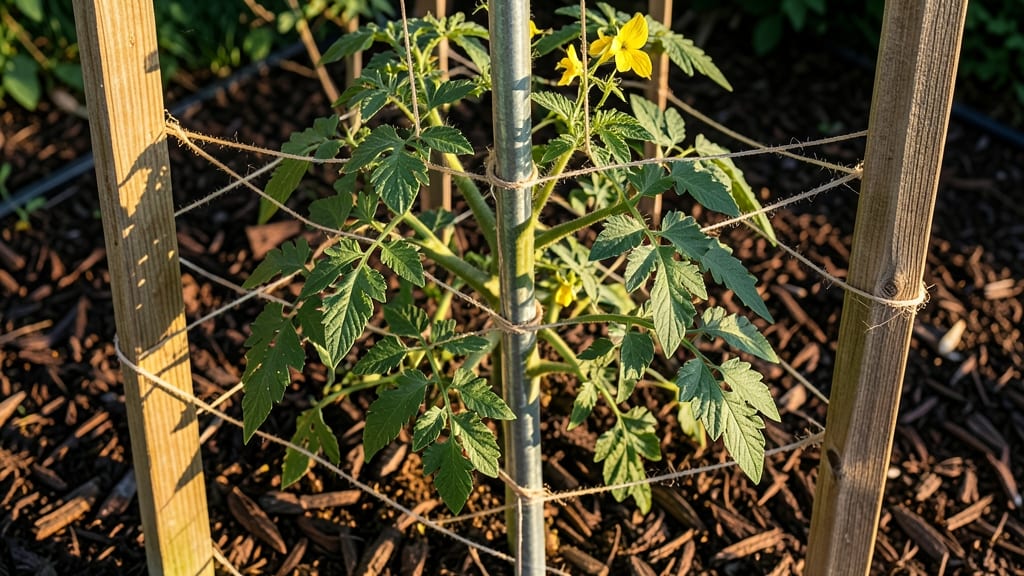
Florida Weave tomatoes need 18-24 inches of space between plants to grow their signature bushy, sprawling vines without crowding—something I learned the hard way after my first season of tangled, disease-prone plants. 🌱 The key isn't just spacing; it's how you arrange them in a Florida Weave pattern, which creates natural airflow and prevents the fungal issues common in Florida's humid summers.
Start with well-draining soil mixed with compost, and plant seeds ¼ inch deep in early spring after the last frost. The Florida Weave method works best in raised beds or mounds—this keeps roots aerated and prevents waterlogging, which is critical in Florida's heavy rains.
Once seedlings reach 6 inches tall, begin weaving them gently into the pattern, giving each plant room to spread horizontally while still reaching upward.
By midsummer, you'll see thick, bushy vines with clusters of fruit along the stems, not just at the top like traditional indeterminate tomatoes. The spacing also makes harvesting easier—no more wrestling with tangled plants—and reduces the risk of blight, which can wipe out entire crops in Florida's heat.
Just remember: prune suckers sparingly to maintain that signature weave shape.
This method works equally well in containers or in-ground, though containers need larger pots (at least 15 gallons per plant). For Florida gardeners, timing is everything—plant in February or March to avoid the worst of the summer heat while still maximizing the growing season.
The payoff? A harvest that lasts from June through October with minimal fuss.
📚 In This Guide
- What you need
- Instructions
- Tips and common mistakes
- Wrapping up and next steps
What you need
- ● Florida Weave tomato seeds or seedlings: 4–6 plants (depending on garden space and desired yield). Choose disease-resistant varieties like 'Florida 47' or 'Celebrity'.
- ● Well-draining potting mix: 10–15 gallons (or enough to fill your containers). Opt for a blend with compost and perlite for aeration.
- ● Containers or raised beds: Containers: 5-gallon buckets or fabric grow bags (minimum 12" deep).
- ● Raised beds: At least 6" deep, with width/length tailored to your spacing plan (see below).
- ● Tomato cages or stakes: 4–6 ft tall, sturdy enough to support 6–8 ft vines. Use two stakes per plant for the Florida Weave method.
- ● Balanced fertilizer: 10-10-10 or 5-5-5 (organic options like fish emulsion work too). Start with 1 tbsp per plant at transplanting.
- ○ Mulch: Straw or black plastic (optional but recommended to retain moisture and suppress weeds).
- ● Watering can or hose with a gentle nozzle: For consistent moisture without damaging stems.
- ● Pruning shears: Sharp and clean for trimming suckers and shaping vines.
- ● Epsom salt: 1 tbsp per plant every 2–3 weeks to boost magnesium (great for Florida’s sandy soil).
- ● Drip irrigation system: Automates watering and saves time.
- ● Plant labels: To track varieties and planting dates.
- ● Compost tea or mycorrhizal fungi: Enhances root health in container gardens.
- ● Full sun location: At least 6–8 hours of direct sunlight daily. Florida’s climate is hot—choose a spot with afternoon shade if temps exceed 90°F.
- ● Soil temperature: Wait until the ground warms to 60°F+ (use a soil thermometer). Cold soil delays germination.
- ● Spacing plan: Research your Florida Weave tomato spacing (typically 18–24" between plants and 3–4 ft between rows). Sketch a layout if needed!
- ● Patience: Tomatoes thrive with consistency—be ready to water daily and monitor for pests.
Instructions for Florida weave tomato spacing: precision planting for bushier vines
This method transforms spindly tomato plants into sturdy, productive bushes—here's how I do it every season.
🌱 Step 1: Prepare the Planting Site and Stakes
Choose a location with full sun exposure (6-8 hours daily) and well-draining soil. Tomatoes hate soggy roots, so amend heavy clay with 2-3 inches of compost mixed into the top 12 inches of soil. I dig a hole slightly larger than the root ball—about 18 inches wide and deep—to encourage root spread.
Install a 5-foot bamboo stake at each planting spot, driving it 6 inches deep so it won’t topple. Position stakes 2-3 feet from each plant to avoid root interference. For Florida weaves, you’ll need 4 plants spaced 3 feet apart in a square formation—this creates the perfect framework for the weave.
🌿 Step 2: Plant and Secure the First Vine
Place the tomato plant in the hole so the top of the root ball sits 1 inch below soil level. This prevents stem rot while encouraging new roots to form. Backfill with soil, pressing gently to eliminate air pockets, but don’t compact it—roots need room to breathe.
Water deeply until moisture reaches 6 inches down, then attach the first vine to the stake using soft plant ties. I loop the tie around the main stem and stake, leaving 1 inch of slack to accommodate growth. The goal is to guide the vine upward without restricting it—think of it as a gentle hug, not a straitjacket.
✂️ Step 3: Train the Weave as Vines Grow
When the first vine reaches 18 inches tall, gently weave it horizontally between the next two stakes in your square. Secure it with a second tie, but don’t pull it tight—you want the vine to grow into the weave naturally. This creates a horizontal framework that encourages bushier growth and better air circulation.
Here’s the thing—watch for suckers (side shoots in the leaf axils). Pinch these off immediately unless you’re growing a suckering variety. For Florida weaves, you’ll let the main stem grow until it reaches the top of the stake, then weave it back down to the next stake in the square. Repeat this process until you’ve created a lattice of vines across all four stakes.
💧 Step 4: Maintain Spacing and Watering for Optimal Growth
Keep plants 3 feet apart in all directions—crowding leads to disease and poor airflow. Water at the base 1-2 inches per week, aiming for deep, infrequent watering rather than shallow daily doses. I water in the morning so foliage dries quickly, reducing fungal risks like early blight.
As the weave develops, prune any vines that grow outside the square to maintain the structure. You’ll see the difference within 4-6 weeks: instead of a single tall stem, you’ll have a dense, bushy plant with vines radiating in all directions. This isn’t just for show—it maximizes sunlight exposure and fruit production.
☀️ Step 5: Harvest and Prune for Continued Productivity
Harvest tomatoes when they’re fully colored and slightly soft to the touch. For Florida weaves, I pick from the bottom up, always removing the lowest ripe fruit first. This encourages new growth higher on the plant and prevents disease from rotting fruit touching the soil.
After harvest, prune any dead or diseased leaves immediately—don’t let them linger. If a vine weakens or breaks during storms, secure it gently to the weave with a new tie. With proper care, your Florida weave will keep producing until the first frost, often yielding 20-30% more tomatoes than traditional staking methods.
Tips & tricks for precision tomato planting
These game-changing techniques will help you maximize your Florida weave's potential every season.
Site Preparation: The 6-8 hours of daily sunlight is non-negotiable, but don't stop there. I've found that adding a 1-inch layer of coarse sand to the bottom of your planting hole improves drainage dramatically in heavy clay soils. This prevents root suffocation while maintaining moisture retention—critical for Florida's humid climate. The 18-inch hole depth gives roots plenty of room to spread horizontally, which is key for that bushy growth we're after.
Staking Strategy: When positioning your 5-foot bamboo stakes, drive them in at a slight angle (about 10 degrees) rather than straight up. This creates a more stable base that won't topple in storms. I also recommend using two stakes at each corner of your square formation—one vertical and one angled—to create a more robust framework. The 3-foot spacing between plants is perfect, but if you're working with limited space, you can reduce this to 2 feet while still maintaining good airflow.
Weave Training: The 18-inch height before weaving is ideal, but watch for that first horizontal weave to develop at least 3-4 leaves after the initial upward growth. This ensures the vine has enough energy for the horizontal expansion. When securing vines, use soft plant ties that you can easily adjust as the plant grows—never use wire or anything that could cut into the stem. The slack you leave in ties (about 1 inch) prevents constriction as the vine thickens.
Watering Wisdom: The 1-2 inches per week guideline works well, but I've found that adding a 2-inch layer of mulch around your plants helps maintain consistent moisture levels while reducing evaporation. Water at the base rather than overhead to prevent fungal spores from splashing onto leaves. Morning watering is best, but if you must water in the evening, make sure foliage has several hours to dry completely before nightfall.
Pro Tips for Florida Weave Tomato Spacing
- These game-changing techniques will help you maximize your Florida weave's potential every season.
- Site Preparation: The 6-8 hours of daily sunlight is non-negotiable, but don't stop there.
- Staking Strategy: When positioning your 5-foot bamboo stakes, drive them in at a slight angle (about 10 degrees) rather than straight up.
Frequently asked questions
Got questions about Florida Weave tomato spacing? You’re not alone!
Here are some of the most common concerns—plus expert answers to help you grow a thriving, well-spaced tomato patch.
What’s the ideal Florida Weave tomato spacing for maximum yield?
The sweet spot is 18–24 inches apart in rows, with rows spaced 3–4 feet apart. This gives vines room to sprawl naturally while preventing overcrowding. For trellises or cages, leave 12–18 inches between plants to avoid competition for sunlight and nutrients.
When is the best time to plant Florida Weave tomatoes with proper spacing?
Start seeds 6–8 weeks before your last frost date (typically March–April in Florida). Transplant seedlings outdoors after soil temps hit 55°F+ and nighttime temps stay above 50°F. Avoid early planting—cool soil can stunt root growth, making spacing adjustments harder later.
Can I adjust spacing if I already planted my tomatoes too close together?
Yes! If plants are too close (under 12 inches), thin seedlings to the strongest 2–3 per spot. For established plants, prune lower leaves to reduce shading and stake/trellis vines vertically to reclaim space. If roots are tangled, gently separate them (best done when soil is moist).
How does Florida’s heat/humidity affect tomato spacing needs?
In hot, humid climates, increase airflow by spacing plants 24+ inches apart to prevent fungal diseases like early blight. Mulch heavily (straw or black plastic) to retain moisture and reduce soil-borne pathogens. Drip irrigation (instead of overhead watering) also helps maintain healthy spacing while keeping foliage dry.
What are some Florida Weave tomato spacing alternatives for small gardens?
If space is tight, try these space-saving methods:
- Vertical trellising: Train vines upward with 6–8 ft stakes, spacing plants 12–18 inches apart in a single row.
- Container growing: Use 5-gallon pots (1 plant per container) with 12–18 inches between pots.
- Succession planting: Stagger plantings every 2–3 weeks in a small area, harvesting early to free up space.
Wrapping up and next steps
Mastering Florida Weave tomato spacing is your ticket to lush, productive vines and a bountiful harvest! 🌱 By giving your plants the right room to breathe—18-24 inches apart in rows spaced 3-4 feet wide—you’ll encourage stronger growth, better airflow, and fewer pests.
This simple technique transforms your garden into a thriving tomato paradise, proving that precision planting pays off in flavor and yield.
Ready to roll up your sleeves? Start by marking your rows with stakes or string, then plant with confidence. Watch as your tomatoes flourish—and don’t forget to share your progress with fellow gardeners! 🌟