
Companion Plants
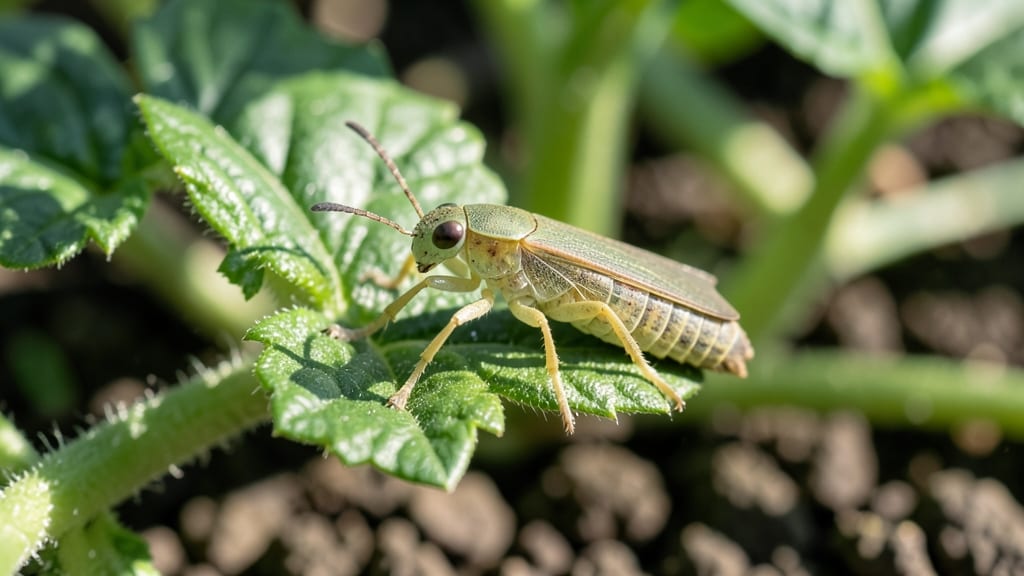
Keeping bugs off tomato plants feels like a losing battle—until you try these 10 companion plants that naturally repel pests. 🌱 I lost my first crop to hornworms and aphids before realizing the right neighbors could turn my struggling plants into a bug-free fortress.
The secret isn’t fancy sprays or toxic chemicals—it’s planting the right allies alongside your tomatoes.
Basil, marigolds, and nasturtiums are the heavy hitters, confusing pests with their strong scents while attracting beneficial predators like ladybugs and lacewings. Even simple herbs like thyme and oregano deter whiteflies and spider mites just by being nearby.
The best part? These plants often improve flavor and yield too—your tomatoes will taste sweeter when they’re not under siege.
You’ll notice fewer holes in leaves, no more wilted vines from sap-sucking insects, and a garden that thrives without constant intervention. The setup takes 10 minutes to plan and pays off all season long.
No more frantic searches for organic sprays or desperate handpicking of pests—just a balanced ecosystem doing the work for you.
Works for backyard gardens, containers, and even small urban plots. Once you see how these plants transform your tomato patch, you’ll never go back to chemical fixes. Let’s get those allies planted!
Root Causes of Tomato Plant Pests
Tomato plants are like the all-you-can-eat buffet of the garden—irresistible to pests! 🍅🐛 But why do bugs suddenly turn your lush, green tomatoes into a buffet of destruction? The answer lies in a mix of natural attractions, environmental triggers, and even your own gardening habits.
Let’s break down the real reasons pests invade your tomato patch so you can outsmart them.
Tomatoes are nutrient powerhouses, packed with sugars, proteins, and moisture that make them a prime target for insects. Here’s the science behind their appeal:
- Sugary Sap: Tomato leaves and stems contain high levels of sucrose and other sugars, which attract aphids, whiteflies, and spider mites like bees to honey. These pests thrive on the sweet liquid they excrete.
- Soft, Tender Foliage: Unlike woody plants, tomato leaves are delicate and juicy, making them easy pickings for chewing insects like hornworms and flea beetles.
- Volatile Compounds: Tomatoes release volatile organic compounds (VOCs) when stressed (e.g., drought, heat, or damage). These chemicals act like insect pheromones, signaling pests to “come and get it!”
Pro Tip: 💡 If your tomatoes are overly stressed (wilting, yellowing, or stunted), pests will detect the distress signals faster. Keep plants healthy with steady watering and balanced nutrients to reduce their “SOS” scent.
Pests don’t just show up randomly—they’re drawn to specific microclimates in your garden. Here’s how your environment might be inviting them in:
| Factor | How It Attracts Bugs | Solution |
|---|---|---|
| 🌡️ High Heat & Dryness | Drought-stressed plants produce more sugars in their leaves, making them twice as tasty to pests like aphids and whiteflies. | Mulch with straw or grass clippings to retain moisture and reduce stress. |
| 🌧️ Excess Moisture | Overwatered soil creates ideal breeding grounds for fungus gnats, slugs, and soil-dwelling pests. | Ensure proper drainage and water at the base of plants (not overhead). |
| 🌿 Weeds & Debris | Weeds harbor alternative food sources and hiding spots for pests like Colorado potato beetles and stink bugs. | Keep a 3-foot radius around tomato plants weed-free. |
| 🌳 Poor Airflow | Crowded plants trap humidity and pests, leading to fungal diseases (like early blight) and insect infestations. | Space tomatoes 18–24 inches apart and prune suckers to improve airflow. |
Key Insight: ✨ Many pests prefer stressed or unhealthy plants. By optimizing growing conditions, you make your tomatoes less appealing to invaders.
Sometimes, we accidentally create the perfect pest paradise. Here’s how common gardening mistakes can backfire:
- Over-Fertilizing with Nitrogen: Too much nitrogen = lush, soft growth that attracts chewing insects like hornworms and cutworms. Solution: Use a balanced fertilizer (10-10-10 or 5-5-5) and avoid heavy nitrogen spikes.
- Ignoring Early Signs of Damage: Pests like aphids and spider mites multiply exponentially when left unchecked. A few tiny holes today can turn into a full-blown infestation in days. Solution: Inspect plants weekly (especially undersides of leaves).
- Bringing Infested Plants Home: New nursery plants or seedlings can hide pests like whiteflies in their leaves or soil. Solution: Quarantine new plants for 7–10 days and inspect thoroughly before planting.
- Using Broad-Spectrum Pesticides: Chemicals like malathion or carbaryl kill beneficial insects (ladybugs, lacewings) that naturally control pests. Solution: Opt for targeted, eco-friendly solutions.
Pro Tip: 🔥 Rotate crops annually to disrupt pest life cycles. Many soil-borne pests (like nematodes) thrive in the same spot year after year—so don’t plant tomatoes in the same location two seasons in a row.
Now that you know why bugs are crashing your tomato party, the next step is smart companion planting to kick them out for good. Stay tuned!
Quick Fixes for Common Tomato Pests
Tomato plants attract a variety of pests, but the good news is that most issues have simple, effective solutions. Below, we’ve mapped the most common pests to their fixes—plus prevention tips to keep your plants thriving. 🍅🛡️
Signs: Large, green caterpillars with white stripes stripping leaves overnight. Fix:
- 🔥 Handpick them early—Check plants daily (especially in the morning) and drop them into soapy water.
- 🍳 Introduce parasitic wasps—These tiny allies (like Cotesia congregata) lay eggs in hornworms, killing them naturally.
- 🥘 Use row covers—Lightweight fabric barriers block eggs from hatching.
Prevention:
- 💡 Plant basil or dill nearby—Their strong scents deter hornworm moths from laying eggs.
- 🌡️ Rotate crops—Avoid planting tomatoes in the same spot yearly to disrupt hornworm life cycles.
Signs: Tiny green/black clusters on stems and undersides of leaves; sticky residue (honeydew). Fix:
- 👨🍳 Spray with soapy water—Mix 1 tsp mild dish soap + 1 quart water; spray directly on pests.
- ⏰ Blast them off—Use a strong stream of water from a hose to dislodge aphids.
- 🔪 Release ladybugs—These beneficial insects feast on aphids (buy them online or attract them with nectar-rich flowers).
Prevention:
- ✨ Plant marigolds or garlic—Their pungent aroma repels aphids.
- 🎯 Avoid over-fertilizing—Excess nitrogen attracts aphids; use balanced fertilizer instead.
Signs: Fine webbing on leaves, yellowing foliage, and tiny moving dots (use a magnifying glass!). Fix:
- 🌧️ Increase humidity—Spider mites thrive in dry conditions; mist plants or use a pebble tray.
- 💦 Rinse leaves—Spray with water to knock off mites and disrupt their webs.
- 🍎 Use neem oil—Mix 1 tbsp neem oil + 1 tsp mild soap in 1 quart water; spray every 5–7 days.
Prevention:
- 💡 Mulch heavily—Keeps soil moist and reduces mite activity.
- 🌿 Plant nasturtiums—Their foliage distracts mites from tomatoes.
Signs: Tiny white moths swarming when you disturb plants; sticky leaves and yellowing. Fix:
- 🕯️ Yellow sticky traps—Hang traps near plants to catch adults.
- 🔪 Encourage lacewings—These predators love whiteflies; plant dill or fennel to attract them.
- 🥘 Use kaolin clay—Apply a thin layer to leaves to create a barrier they hate (sold as "Surround WP").
Prevention:
- 🌡️ Avoid overwatering—Whiteflies love damp soil; water at the base only.
- 🎯 Remove weeds—They harbor whitefly eggs.
Signs: Tiny holes in leaves; adults jump when disturbed. Fix:
- 🛡️ Use row covers—Fine mesh blocks adults from reaching plants.
- 🔪 Diatomaceous earth—Sprinkle food-grade DE around the base (reapply after rain).
- 🥘 Copper tape—Wrap it around stakes to deter beetles from climbing.
Prevention:
- 💡 Plant radishes or onions—Their strong scent confuses flea beetles.
- 🌿 Interplant with celery—Its texture deters egg-laying.
- 🌿 Rotate crops—Never plant tomatoes in the same spot two years in a row.
- 🌡️ Keep soil healthy—Compost and mulch to boost plant resilience.
- 🔍 Inspect plants weekly—Early detection = easier fixes!
- 🌿 Use companion plants—Marigolds, basil, and borage are all-star pest repellers.
Pro Tip: 💡 For severe infestations, combine methods—e.g., handpick hornworms + introduce wasps + plant basil. Nature’s teamwork wins!
Frequently asked questions
How close should companion plants be to my tomatoes?
Keep companion plants within 12–18 inches of your tomato plants for maximum pest-repelling benefits. Basil and marigolds should be especially close (6–12 inches) since their strong scents work best when concentrated. Just avoid overcrowding—tomatoes need 18–24 inches of space to thrive.
Will companion plants actually work if I already have a bad infestation?
Companion plants are best for prevention, but they can still help with mild infestations. For existing problems, combine them with immediate fixes like handpicking pests or neem oil sprays. Planting marigolds or nasturtiums nearby will attract beneficial insects (like ladybugs) that can help control the outbreak over time.
Can I use companion plants in containers or small spaces?
Even in pots, you can plant basil, thyme, or marigolds alongside your tomatoes. Use 5-gallon containers for each plant to ensure roots have space. Dwarf varieties of marigolds or bush basil work perfectly in small gardens or balconies—just keep them within 6–12 inches of your tomato plants.
Do I need to remove all weeds to protect my tomatoes?
Yes, but focus on a 3-foot radius around your plants. Weeds like pigweed or lambsquarters harbor pests and compete for nutrients. Pull them regularly, especially in early summer when pests are most active. Mulching with straw helps suppress weeds naturally while keeping soil moist.
What’s the best time of day to inspect my tomato plants for pests?
Check your plants in the early morning (before 9 AM) when pests like aphids and spider mites are sluggish and easy to spot. This is also the best time to handpick hornworms or blast off pests with water. Avoid inspecting at night—many insects hide in foliage after dark.