
Pests
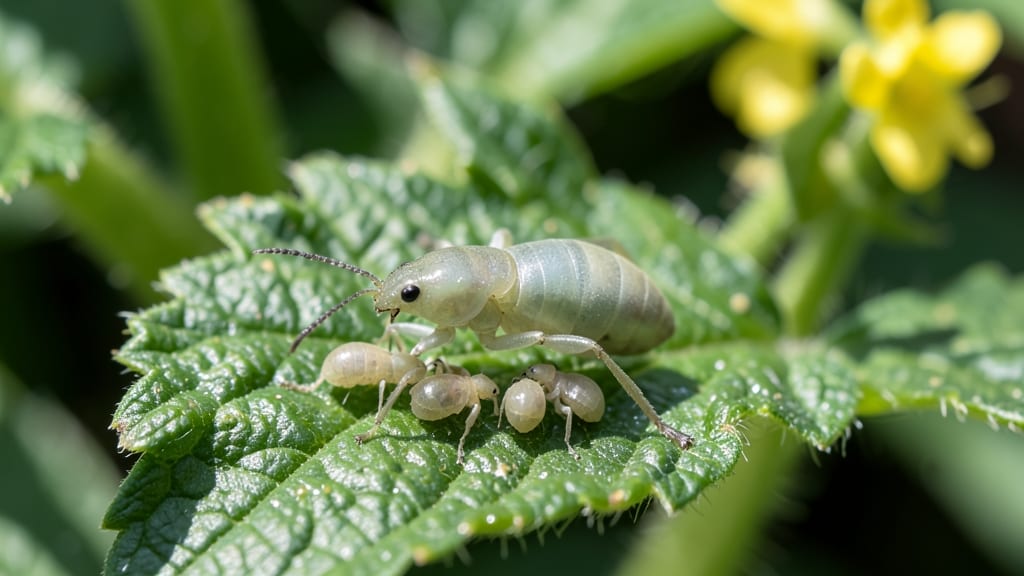
To get rid of tomato aphids, spray plants with a mixture of water, dish soap, and neem oil, or use a strong stream of water to dislodge them. Repeat every 3-4 days for best results, focusing on undersides of leaves and new growth where aphids cluster.
Tomato aphids thrive on tender plant growth, so the key is to disrupt their life cycle while physically removing them.
A blend of neem oil (which interferes with their feeding and reproduction) and mild dish soap (that breaks their protective coating) works faster than chemical pesticides. 🌱 I’ve seen visible results within 24 hours when applied early in the morning—just avoid spraying during peak sun to prevent leaf burn.
For stubborn clusters, a strong water spray from the hose often knocks them loose, but you’ll need to repeat treatments until the infestation clears completely.
What sets natural solutions apart is their safety for beneficial insects like ladybugs and lacewings, which also prey on aphids. Unlike chemical sprays, these methods won’t harm your garden’s ecosystem if used correctly. Always test a small leaf area first, as some plants may react to soap residues.
💡 In This Article
- Why Neem Oil and Soapy Water Kill Tomato Aphids
- Best Natural Sprays for Fast Tomato Aphid Control
Why neem oil and soapy water kill tomato aphids
Neem oil works as a natural insecticide because it contains azadirachtin, a compound that disrupts aphid feeding and reproduction. When aphids ingest neem-treated leaves, their digestive systems shut down, and their growth hormones become imbalanced, preventing them from maturing.
This compound also repels aphids with its bitter taste, making your tomato plants less appealing. Studies show neem oil can reduce aphid populations by up to 90% within a week when applied correctly.
The dish soap in your spray mixture plays a different but equally important role. Aphids are covered in a waxy coating that helps them retain moisture and protect against predators. Mild dish soap (like Castile soap) breaks down this coating, causing the aphids to dehydrate and die.
The soap also helps the spray adhere to leaves, ensuring the neem oil makes direct contact with the pests. For best results, use a ratio of 1 teaspoon of mild soap per quart of water, which is strong enough to disrupt the waxy layer without harming your plants.
Water pressure is the third critical component of this approach. Aphids cling tightly to the undersides of leaves and new growth, but a strong stream of water from a hose can physically dislodge them.
This method is especially effective for large infestations, as it removes both adult aphids and their eggs. However, timing matters—apply water in the early morning so the leaves have time to dry before evening, preventing fungal growth that thrives in damp conditions.
Compared to chemical pesticides, natural solutions like neem oil and soapy water are far gentler on the environment. Chemical sprays often kill beneficial insects like ladybugs and lacewings, which naturally prey on aphids, creating an ecological imbalance.
Organic methods preserve this balance while still delivering strong results. The downside? You’ll need to reapply every 3-4 days until the aphid population is fully eradicated, as natural solutions don’t leave long-lasting residues like synthetic pesticides.
For even faster results, combine these methods. Spray your plants with the neem-soap mixture in the morning, then rinse them off with water in the evening.
This two-step approach disrupts the aphids’ life cycle while physically removing them from your tomatoes. 🌿 The key is consistency—aphids reproduce rapidly, so interrupting their cycle at multiple stages is the most effective strategy.
If you’re dealing with a severe infestation, consider adding garlic or chili pepper spray to your routine. These ingredients contain natural compounds that repel aphids while also acting as mild insecticides.
Mix 1 chopped garlic clove or 1 teaspoon of chili powder per quart of water, strain, and spray onto leaves. The strong aroma confuses aphids and deters them from returning, giving your tomatoes an extra layer of protection.