
Plants
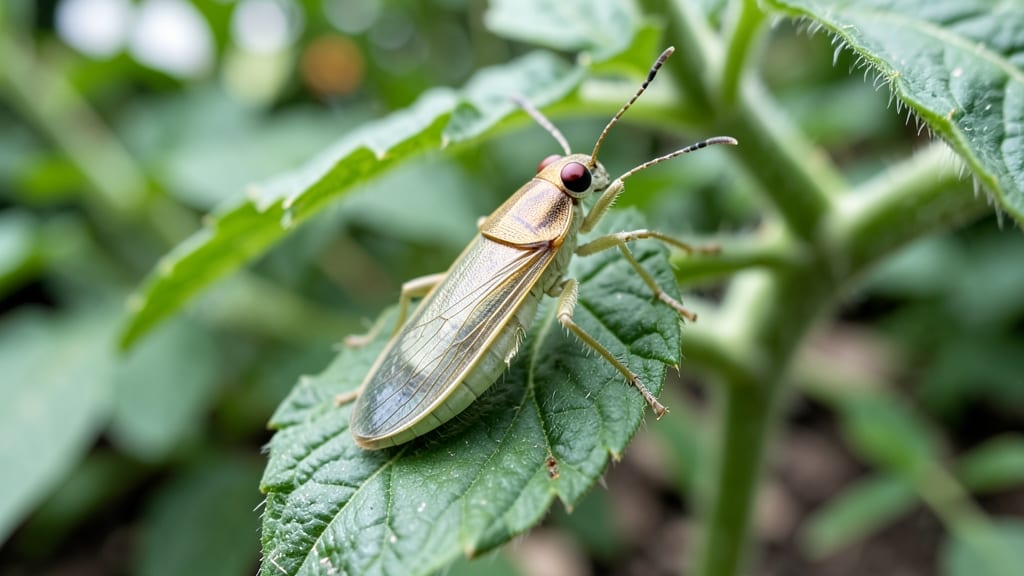
Your tomato plants shouldn’t become an all-you-can-eat buffet for hornworms and aphids. 🌱 The key to keeping insects off tomato plants starts with a simple homemade spray that disrupts their party plans within hours—no harsh chemicals needed.
Most pests target stressed plants, so I focus on three layers: preventive care (healthy soil, strong plants), quick-action sprays (neem oil, garlic mix), and long-term tricks (companion planting). My go-to spray uses ingredients you already have, and it works faster than waiting for nature to balance itself.
By midday after application, you’ll see pests retreat, and your plants will start bouncing back with vibrant green leaves. The best part? This method keeps working season after season, reducing your need for store-bought solutions.
For stubborn infestations, I’ll show you when to bring in reinforcements—but first, let’s tackle the basics that work 90% of the time.
The Hidden Triggers Inviting Pests
Tomato plants may look like a buffet to insects, but their uninvited guests arrive for very specific reasons. Understanding why these pests show up is the first step to outsmarting them. Below, we break down the science behind the chaos—so you can address the root cause, not just the symptoms.
Tomatoes thrive in open spaces, but when plants are packed too tightly, humidity and moisture linger—creating the perfect hideout for soft-bodied insects like aphids, whiteflies, and spider mites. Poor airflow also slows drying, leaving plants vulnerable to fungal diseases that attract secondary pests.
- Why it matters: Stagnant air traps honeydew (a sticky sap excreted by aphids), which then fosters sooty mold—a magnet for ants and other scavengers.
- Actionable fix: Space tomato plants 18–24 inches apart (or use trellises for vertical growth) to improve circulation.
Tomatoes need consistent moisture, but overhead watering or inconsistent schedules turn your garden into a pest paradise. Here’s how:
- Excessive moisture on leaves attracts fungus gnats, aphids, and whiteflies, which thrive in damp conditions.
- Dry soil followed by sudden soaking stresses plants, making them release volatile organic compounds (VOCs) that signal distress to pests like hornworms.
- Watering at night keeps foliage damp longer, extending the window for pests to feed and reproduce.
Pro tip: Water at the base of plants in the early morning (before 10 AM) to let leaves dry quickly. 🌞
When tomato plants are nutrient-deficient or over-fertilized, they become easy targets. Here’s the breakdown:
| Deficiency | Pest Attraction | Why? |
|---|---|---|
| Nitrogen (N) deficiency | Aphids, whiteflies | Plants produce more sugars in leaves to compensate, making them sweeter (and more appealing) to sap-sucking insects. |
| Phosphorus (P) deficiency | Root-knot nematodes | Weak roots struggle to repel soil-dwelling pests, which detect stressed plant signals. |
| Potassium (K) deficiency | Hornworms, Colorado potato beetles | Plants become less bitter (a natural deterrent), while pests detect higher amino acid levels in leaves. |
| Over-fertilization (especially nitrogen) | Spider mites, thrips | Excess nitrogen leads to soft, tender growth—a buffet for chewing insects. |
Fix it: Test your soil and use a balanced fertilizer (e.g., 5-10-10). Add compost for slow-release nutrients and avoid synthetic fertilizers late in the season. 🌱
Tomatoes "scream" for help when stressed—but insects hear those signals. Here’s how:
- Physical damage (e.g., hail, wind) releases jasmonic acid, a plant hormone that attracts herbivores like hornworms.
- Disease (e.g., early blight, powdery mildew) creates entry points for pests like stink bugs, which feed on infected tissue.
- Competition from weeds steals nutrients, weakening tomatoes and making them less resilient to pest attacks.
Solution: Monitor plants for early signs of stress (yellowing leaves, wilting) and remove damaged foliage immediately to break the pest cycle. 🚫🐜
Pests don’t just show up—they’re triggered by environmental cues. Here’s how weather and season play a role:
- Hot, dry conditions → Spider mites thrive (they desiccate in humidity).
- Warm nights (>70°F) → Whiteflies multiply rapidly (they cannot survive below 50°F).
- High humidity → Fungus gnats and aphids flourish in moist soil and air.
- Late summer heat waves → Hornworms and Colorado potato beetles enter feeding frenzies.
Work with nature: Use row covers in early season to block pests, and mulch to regulate soil temperature. 🌡️
Beat Back Garden Pests Fast
When insects invade your tomato plants, swift action is key to saving your harvest. Below, we’ve mapped the most common culprits and their fixes—so you can act fast and keep pests at bay without harsh chemicals. Prevention tips are included to stop future attacks!
These striped munchers can strip a plant bare overnight. Here’s how to stop them:
- 🔥 Handpick & Destroy
- Inspect leaves daily (especially in the morning). Squish or drop hornworms into soapy water—never toss them back into the garden!
- Pro tip: Wear gloves to avoid irritating skin from their tiny hairs. 🧤
- 🍳 Bacillus Thuringiensis (Bt) Spray
- A natural bacteria-based spray that targets caterpillars but is safe for bees and humans.
- How to use: Mix 1 tsp Bt powder with 1 quart of water. Spray early in the morning for best results. Reapply after rain.
- 👨🍳 Companion Planting
- Plant basil, marigolds, or dill nearby—their scents repel hornworms naturally.
These sap-sucking pests weaken plants by draining nutrients. Knock them out with these methods:
- 💡 Blast Them Off
- Use a strong stream of water from a hose to dislodge aphids. Repeat every 2–3 days until gone.
- Pro tip: Do this in the early morning so leaves dry quickly, reducing fungal risks. ☀️
- 🌡️ Neem Oil Spray (Best for Mites)
- Mix 1 tbsp neem oil + 1 tsp mild soap + 1 quart water. Spray undersides of leaves where mites hide.
- Reapply every 5–7 days until pests vanish.
- 🎯 Introduce Beneficial Insects
- Ladybugs and lacewings eat aphids. Buy them online or attract them with dill or fennel plants.
These orange-and-black beetles and their larvae are resistant to many sprays. Use these physical barriers:
- 🔪 Row Covers & Netting
- Cover young plants with floating row covers (lightweight fabric) to block adults. Remove when flowers appear for pollination.
- 🥘 Beer Trap (Yes, Really!)
- Bury a shallow container filled with beer near plants. Beetles are drawn in and drown. Refresh every 2–3 days. 🍺
- 🌱 Crop Rotation & Cleanup
- Never plant tomatoes or potatoes in the same spot two years in a row. Remove all plant debris in fall to eliminate eggs.
These tiny white insects cluster on undersides of leaves, causing yellowing and sticky residue.
- 🔪 Yellow Sticky Traps
- Hang yellow cards coated in petroleum jelly near plants. Whiteflies are attracted to the color and get stuck.
- 🍳 Soap Spray (Quick Fix)
- Mix 1 tbsp castile soap + 1 quart water. Spray directly on undersides where they hide. Repeat every 3–4 days.
- 🌿 Strong Airflow
- Use a fan on low speed near plants for 10–15 minutes daily. Whiteflies hate wind and will leave.
Stop pests before they start with these proactive strategies:
- 🌱 Healthy Soil = Strong Plants
- Use compost and balanced fertilizer to grow vigorous tomatoes that pests avoid.
- 🌿 Regular Inspections
- Check plants 2–3 times a week for early signs of trouble. Catch pests small!
- 🌞 Water at the Base
- Avoid wetting leaves (especially in the evening) to prevent fungal diseases that attract pests.
- 🌿 Mulch Heavily
- Apply 2–3 inches of mulch (straw or grass clippings) to discourage egg-laying and retain moisture.
Act fast, stay consistent, and your tomato plants will thrive! For extra protection, combine physical removal + natural sprays + companion planting for the best defense. 🍅💪
Frequently asked questions
How often should I apply homemade insect sprays to tomato plants?
Apply homemade sprays like neem oil or garlic mix every 5-7 days for active pest control. For preventive maintenance, a weekly application keeps pests from settling in. Always spray in the early morning so leaves dry quickly and reduce fungal risks.
Will companion planting really keep insects away from my tomatoes?
Planting basil, marigolds, or dill near tomatoes disrupts pests' scent trails and confuses them. These plants release natural repellents that deter hornworms, aphids, and even Colorado potato beetles. For best results, interplant them directly with your tomatoes.
Can I use coffee grounds to repel tomato pests?
Yes, but with caution. Sprinkle used coffee grounds around (not directly on) tomato plants—they repel ants and slugs, but too much nitrogen can harm plants. Mix with compost first to dilute. For aphids and whiteflies, focus on neem oil or soapy water instead.
What's the fastest way to deal with a sudden hornworm outbreak?
Handpick them immediately—check leaves daily at dawn when they're sluggish. Drop them into soapy water. For stubborn cases, apply Bacillus thuringiensis (Bt) spray in the evening. This bacteria kills caterpillars within 48 hours without harming beneficial insects.
Why do my tomato plants keep getting pests even after spraying?
Pests often return due to reinfestation from untreated nearby plants or windborne eggs. Strengthen defenses by:
- Rotating sprays (neem oil one week, soapy water the next),
- Removing all plant debris where eggs hide, and
- Using row covers for young plants. Consistency is key!