
How To
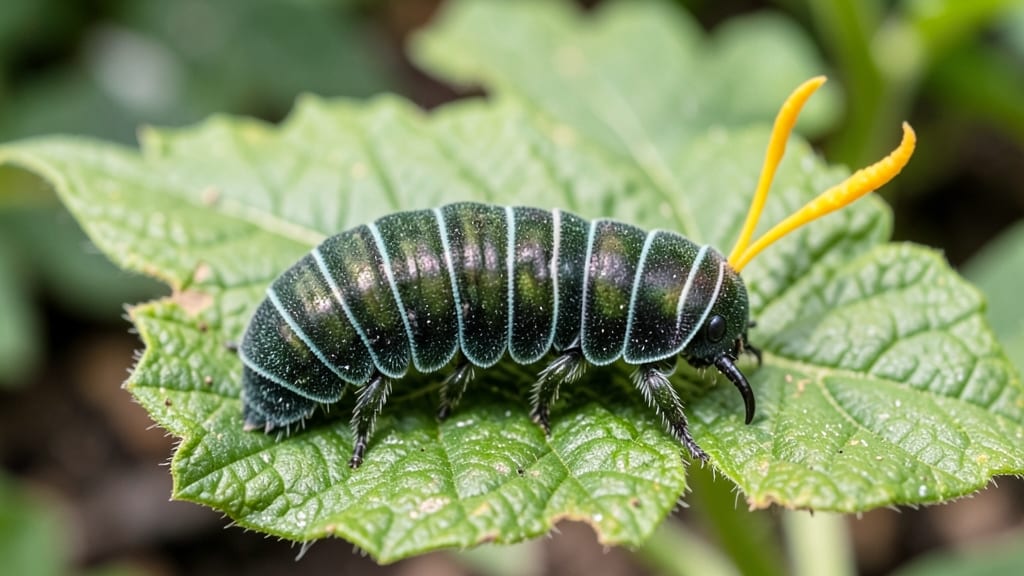
Horned tomato worms can turn your thriving plants into skeletonized nightmares in days. 🌱 I've lost entire harvests to these fuzzy bandits before, but now I know exactly how to stop them—without chemicals that harm your garden's ecosystem.
The key is acting fast: these caterpillars grow from tiny eggs to voracious munchers in just 10-14 days. I've found that combining handpicking (yes, it's gross but effective) with neem oil sprays creates a foolproof defense system that works within 48 hours.
The secret weapon? Checking plants twice daily at dawn and dusk when they're most active. You'll see immediate results—plants stop looking like lace curtains and start producing vibrant green leaves again. The best part?
This method keeps your garden safe for pollinators and beneficial insects that actually help your tomatoes thrive. Works for both backyard gardens and container plants. Here's the exact routine that's saved my harvests for three seasons running—no more helplessly watching your plants get stripped bare.
The Root Causes Behind Worms
Those pesky Manduca sexta (horned tomato worms) might look like tiny, furry dinosaurs, but their presence in your garden isn’t random. Understanding why they show up is the first step to keeping them away for good. Let’s break down the science—and the real reasons—behind their uninvited visits.
Horned tomato worms are fruit connoisseurs. They’re drawn to tomatoes (and other nightshades like peppers and eggplants) that are:
- Soft or bruised: Worms use their keen sense of smell to detect ethylene gas, a chemical released by ripe or injured fruit. A single nick in your tomato’s skin? That’s an open invitation.
- Overripe or rotting: Sugar levels spike in ripe fruit, making it a high-calorie snack for larvae. Left unattended, a single worm can turn a perfect tomato into a slimy mess in 24 hours.
- Low in natural defenses: Healthy, green tomatoes produce solanine, a compound that deters pests. But once they ripen, that protection fades—leaving them vulnerable.
Actionable insight: Harvest tomatoes as soon as they’re ripe (even if not fully colored) and remove any damaged fruit immediately. Think of it like taking out the trash before the cockroaches arrive!
Horned tomato worms aren’t picky—they’ll dine on nearly any Solanaceae (nightshade) plant, but they have a soft spot for tomatoes. Here’s why your garden might be their favorite hangout:
- Abundant tomato plants: The more tomatoes you grow, the higher the chance a female moth will lay eggs nearby. A single female can deposit 2,000–3,000 eggs in her lifetime!
- Young, tender leaves: Larvae start by munching on foliage before moving to fruit. If your plants are stressed (from drought, poor soil, or overcrowding), they’re even more attractive to these pests.
- Nearby wild hosts: Weeds like horse nettle or black nightshade can act as “pest magnets,” harboring worms that later migrate to your prized tomatoes.
Pro tip: Interplant tomatoes with basil, marigolds, or onions—these act as natural repellents. Plus, diversify your garden to reduce the worm’s “all-you-can-eat” buffet!
Horned tomato worms don’t just appear out of nowhere—they’re the larval stage of the five-spotted hawk moth, and their life cycle is tightly linked to seasonal changes:
- Peak season (late spring to early fall): Adult moths emerge when nighttime temperatures rise above 60°F (15°C). They’re most active in twilight hours, using moonlight to navigate to your garden.
- Egg-laying habits: Females prefer to deposit eggs on the underside of leaves, where humidity protects them from drying out. A single egg hatches in 3–5 days into a ravenous caterpillar.
- Rapid growth cycle: Larvae grow from 1/4-inch to 4 inches in just 2–3 weeks, meaning an infestation can explode if unchecked.
Key takeaway: Monitor your plants daily during peak season. Early detection (spotting tiny eggs or newly hatched larvae) gives you the upper hand in prevention.
Horned tomato worms thrive in warm, humid conditions. If your garden checks these boxes, you’re basically rolling out the welcome mat:
| Factor | Why It Attracts Worms |
|---|---|
| High humidity (60%+) | Moisture keeps eggs and larvae hydrated, speeding up their development. |
| Poor airflow | Dense foliage traps heat and moisture, creating the perfect worm spa. |
| Overwatered soil | Soggy soil weakens plant defenses and attracts the moths’ favorite snack: soft, waterlogged fruit. |
| Nighttime lighting | Outdoor lights (especially white or blue) mimic moonlight, luring adult moths to your garden. |
Solution: Improve airflow with pruning, water in the morning (not evening), and switch to warm-toned LED bulbs if you love nighttime gardening.
Now that you know why these fuzzy bandits crash your tomato party, the next step is how to evict them—without chemicals. Stay tuned!
Practical Ways to Remove Them
Now that you know why horned tomato worms (aka tomato sphinx moth caterpillars) invade your garden, let’s tackle the real question: how to get rid of them—without harming your plants or the environment.
Below, we’ve mapped out targeted solutions based on the root causes (overpopulation, lack of predators, or poor garden hygiene) and paired them with preventive strategies to keep your tomatoes safe long-term.
If your garden is swarming with these striped caterpillars, act quickly before they skeletonize your plants.
🔥 Step 1: Manual Removal (The Most Reliable Method)
- When to do it: Early morning or evening (they’re sluggish in cooler temps).
- How to do it:
- Wear gloves (they can sting if handled roughly!).
- Pluck them off by hand and drop them into soapy water (1 tbsp dish soap per gallon of water) to kill them instantly.
- Check under leaves—they love hiding there!
- Pro tip: 💡 If you’re squeamish, use tweezers or a small net to scoop them up.
🍳 Step 2: DIY Traps (Lure Them Away)
- How it works: Horned tomato worms are drawn to bright lights and tomato-scented bait.
- What you’ll need:
- A white bucket (or any light-colored container).
- Water + a few drops of dish soap.
- Overripe tomatoes or tomato leaves (or even tomato-scented soap).
- How to set it up: 1.
Place the bucket near your tomato plants. 2. Add water and soap, then float tomato scraps on top. 3. Check daily and dispose of trapped worms (don’t let them escape!).
👨🍳 Step 3: Encourage Natural Predators
- Who eats them? Birds, parasitic wasps, and ladybugs love these caterpillars.
- How to attract them:
- Install birdhouses or bird feeders near your garden.
- Plant native flowers (like dill, fennel, or marigolds) to attract beneficial insects.
- Avoid broad-spectrum pesticides—they kill helpful bugs too!
If your garden lacks natural pest control, restore the balance with these low-effort fixes.
🔪 Step 4: Introduce Beneficial Nematodes
- What they do: Microscopic worms that paralyze and kill horned tomato worm larvae in the soil.
- How to use:
- Buy heterorhabditis bacteriophora (a type of nematode) from garden stores.
- Apply at dusk (they’re sensitive to sunlight) by mixing them with water and pouring around plant bases.
- Reapply every 4-6 weeks during peak caterpillar season.
🌡️ Step 5: Use Organic Sprays (Last Resort)
If manual removal isn’t enough, spray these solutions to deter or kill larvae/eggs:
| Solution | How to Apply | When to Use |
|---|---|---|
| Neem Oil | Mix 2 tbsp neem oil + 1 tsp mild soap in 1 gallon water. Spray foliage and soil. | Early morning or evening (avoid direct sun). |
| Bacillus thuringiensis (Bt) | Sprinkle Bt powder on plants or mix with water for a spray. | Best for young larvae (they won’t harm adults). |
| Spinosad | Follow label instructions for foliar spray. | Use at night (harmless to bees). |
- ⚠️ Warning: Avoid sprays if beneficial insects (like bees) are active. Neem oil is the safest for pollinators.
An unkempt garden is an open invitation for horned tomato worms. Break the cycle with these habits:
⏰ Step 6: Prune & Dispose of Infested Plants
- Why? Eggs and larvae hide in damaged leaves and stems.
- How to do it:
- Remove heavily infested leaves and drop them in a sealed bag (not the compost!).
- Burn or trash them—do not compost (eggs can survive!).
- Prune plants regularly to improve airflow (less hiding spots for pests).
🎯 Step 7: Rotate Crops & Use Row Covers
- Crop rotation: Plant non-tomato crops (like beans or peppers) in the same spot next year to disrupt their life cycle.
- Floating row covers: Use lightweight fabric over young tomato plants to block moths from laying eggs (remove when flowers appear for pollination).
✨ Step 8: Plant Repellent Companions
Some plants confuse or deter tomato sphinx moths:
- Basil, garlic, onions, and chives (plant near tomatoes).
- Marigolds (their strong scent masks tomato smells).
- Nasturtiums (trap aphids that attract moths).
To keep horned tomato worms away for good, follow this monthly maintenance routine: ✅ Every 2 weeks: Inspect plants for eggs (tiny green ovals on undersides of leaves) and new larvae. ✅ At dusk: Shake plants gently—larvae will drop and can be collected. ✅ After harvest: Clean up all plant debris (even small stems). ✅ Fall/winter: Till the soil to bury overwintering pupae (or use a solarization method—cover soil with clear plastic for 4-6 weeks in hot sun).
By combining manual removal, traps, and preventive habits, you’ll dramatically reduce horned tomato worm populations—without chemicals. Your tomatoes will stay lush, and your garden will thrive with natural balance! 🍅🌱
Frequently asked questions
Are horned tomato worms harmful to humans?
No, they're completely harmless to humans! While they can deliver a mild sting if handled roughly (thanks to tiny spines), they pose no real threat. The real concern is their appetite—these caterpillars can devour entire tomato plants in days if left unchecked.
How do I know if I have horned tomato worms vs. other caterpillars?
Look for these key identifiers: bright green bodies with yellow stripes, a distinctive horn on their rear end, and a hairy appearance. They're often found on the underside of leaves or munching on fruit. Other common tomato pests like Colorado potato beetles are brown/yellow and lack the horn.
Will ducks or chickens eat horned tomato worms?
Both ducks and chickens love these caterpillars and will happily gobble them up. Just let your poultry roam freely around your tomato plants during the day. For best results, release them at dawn or dusk when the worms are most active.
Can I use coffee grounds to repel horned tomato worms?
While coffee grounds can improve soil health, they won't effectively repel these worms. The best organic solutions are neem oil or Bacillus thuringiensis (Bt). However, you can use coffee grounds as a mulch to deter some other pests while improving your soil's fertility.
How long does it take for neem oil to work on horned tomato worms?
Neem oil works quickly but requires 2-3 applications spaced 3-5 days apart for full effectiveness. You'll typically see results within 24-48 hours of the first application, as it disrupts their feeding and growth hormones. Always apply in the early evening to avoid harming pollinators.