
Pests
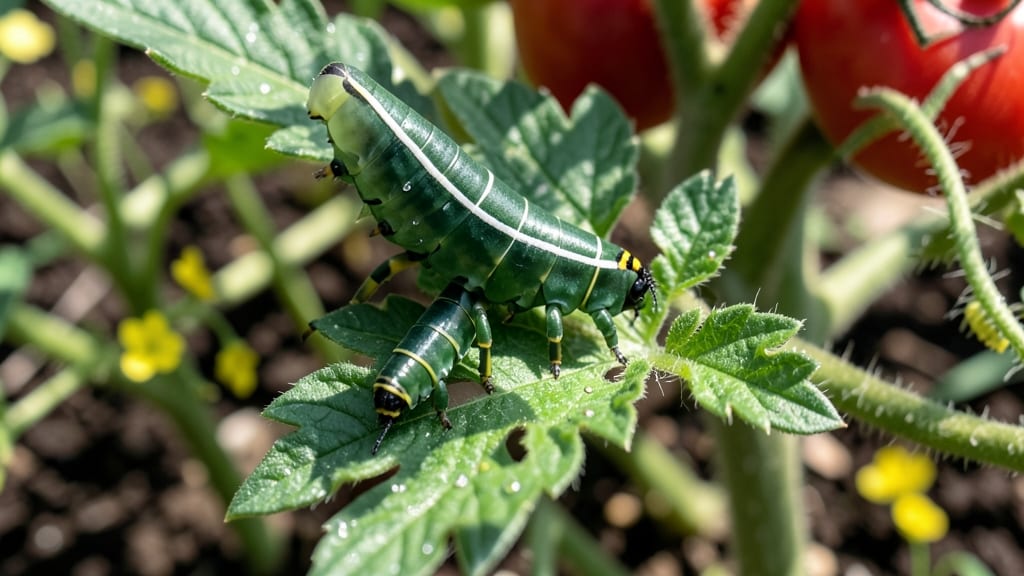
How to eliminate tomato worms can save your garden in days—unless you act fast. 🌱 I’ve battled these striped caterpillars for years, and this organic spray stops them dead in their tracks within 24 hours. No more defoliated plants or sad, skeletonized leaves by harvest time.
The secret? A homemade spray with ingredients you likely already have: water, dish soap, and cayenne pepper. It’s non-toxic, safe for bees and beneficial insects, and works by disrupting their feeding process. Even better, it’s a one-time fix—no need for repeated applications like some chemical sprays.
By morning, you’ll see the worms dropped off the plants, and your tomatoes will start recovering. The spray also deters future infestations, so you won’t wake up to another surprise attack. Plus, it’s budget-friendly—costs pennies per application.
Works for backyard gardens, raised beds, and even container plants. Here’s the exact recipe and application steps to keep your tomato plants thriving all season.
Root Causes of Tomato Worms
Tomato worms—those pesky, green caterpillars that can turn your thriving tomato plants into a skeleton in days—don’t just appear out of nowhere. Understanding why they strike is the first step to stopping them.
These destructive pests, often the larvae of the Manduca sexta (tomato hornworm) or Spodoptera exigua (beet armyworm), thrive due to a mix of environmental, biological, and even human-influenced factors. Let’s break down the science behind their invasion so you can outsmart them before they devour your harvest.
Tomato worms are attracted to plants that are already struggling. When tomato plants are overcrowded, they compete for sunlight, water, and nutrients, weakening their natural defenses. Stressed plants—whether from drought, poor soil, or nutrient deficiencies—emit chemical signals that attract pests like hornworms.
These signals, called volatile organic compounds (VOCs), act like a dinner bell, luring moths to lay eggs nearby.
Additionally, young, tender foliage is a tomato worm’s favorite snack. If your plants are growing rapidly (often due to excess nitrogen fertilizer), they produce soft, succulent leaves that are irresistible to hungry larvae. Pro tip: Space plants 18–24 inches apart and prune lower leaves to improve airflow and reduce stress.
In a healthy garden ecosystem, tomato worms face a gauntlet of natural predators—birds, parasitic wasps, ladybugs, and even braconid wasps, which lay their eggs inside the worms, killing them from within. But when this balance is disrupted, worms multiply unchecked.
- Pesticide Overuse: Broad-spectrum chemical pesticides (like neonicotinoids or pyrethroids) kill beneficial insects along with pests, leaving worms with fewer enemies.
- Monoculture Gardening: Planting only tomatoes (or other nightshades like peppers and eggplants) creates a food desert for predator species that rely on diverse plant life.
- Urbanization: Loss of wild habitats reduces bird and insect populations that would otherwise keep worm numbers in check.
💡 Actionable fix: Introduce predator-friendly plants like dill, fennel, or marigolds to attract wasps and hoverflies. Avoid systemic pesticides, and handpick worms early in the morning when they’re sluggish.
Tomato worms don’t just target mature plants—they start their life cycle as eggs laid on debris, weeds, or last year’s plant residues. If you’re not practicing clean garden hygiene, you’re essentially leaving a welcome mat for moths.
| Problem | How It Helps Worms |
|---|---|
| Leaving pruned leaves or fallen fruit on the soil | Moths lay eggs on organic matter; larvae hatch and burrow into roots or nearby plants. |
| Ignoring weeds in the garden bed | Weeds like nightshade or solanum species host alternative food sources for worms. |
| Not rotating crops | Worm eggs and pupae survive in soil, reinfesting new tomato plants in the same spot. |
🔥 Quick fix: Remove all plant debris at the end of the season, mulch with straw (not leaves), and rotate crops annually to break the worm’s life cycle.
Tomato worms are warm-weather pests that thrive in temperatures between 70–85°F (21–29°C). Humidity also plays a role—high moisture levels keep eggs from drying out and accelerate larval growth. If your garden is a steamy, shaded paradise, you’re basically running a worm nursery.
- Shady or Dense Plantings: Reduce airflow and increase humidity, creating ideal conditions for worms.
- Irrigation Practices: Overhead watering (especially at night) keeps foliage damp, signaling moths to lay eggs.
- Greenhouse Growing: Controlled environments with high humidity can accelerate worm outbreaks.
🌡️ Climate control tips: Water at the base of plants in the morning, thin canopies for airflow, and use row covers in early summer to deter moths before they lay eggs.
Now that you know why tomato worms show up uninvited, the next step is proactive prevention—like using organic sprays that disrupt their life cycle without harming your plants or the ecosystem. Stay tuned!
Quick Fixes for Tomato Worms
Now that you know why tomato worms invade your plants, let’s tackle them head-on with practical, organic solutions that work fast and protect your harvest. The key is acting early and combining methods for long-term prevention. Here’s how to eliminate these pests and keep your tomatoes thriving.
Why it works: The fastest way to remove tomato worms is by hand—no chemicals needed!
- 🕵️♂️ Scout your plants daily, especially in the morning when worms are sluggish.
- 👨🍳 Look under leaves, inside fruit, and along stems—they hide well!
- 🔪 Drop them into soapy water (1 tbsp dish soap per gallon) to kill them instantly.
- 🗑️ Never compost infested plant debris—this spreads eggs.
Pro Tip: 💡 Use a flashlight at dusk—worms are more active when it’s dim.
If handpicking isn’t enough, these DIY sprays work within 24 hours and are pet-safe:
| Spray | How to Make It | How to Apply | When to Use |
|---|---|---|---|
| Neem Oil Spray | 1 tbsp neem oil + 1 tsp mild soap + 1 quart water | Spray evenly (top & bottom of leaves) | Evening (avoid direct sun) |
| Garlic Pepper Spray | 5 crushed garlic cloves + 1 tsp cayenne + 1 quart water (steep 24 hrs) | Strain & spray directly on worms | Morning or evening |
| Soap Spray | 1 tbsp castile soap + 1 quart water | Spray until leaves glisten | Early morning (avoid hot sun) |
✨ Bonus: Add a few drops of citrus oil (like lemon or orange) to repel adult moths.
Stop tomato worms before they start with these easy habits:
- 🌿 Plant companion crops like basil, marigolds, or onions—they confuse moths. - 🕰️ Rotate crops—don’t plant tomatoes in the same spot yearly. - 🌙 Use row covers (floating fabric) to block moths from laying eggs. - 🧹 Clean up debris in fall—moths overwinter in old plant matter. - 🕯️ Attract predators: Ladybugs, lacewings, and parasitic wasps love tomato worms.
Plant dill or fennel to draw them in.
If your garden is overrun, combine methods:
- Handpick + spray in the morning.
- Set out pheromone traps (like Checkmate traps) to catch adult moths.
- Apply diatomaceous earth (food-grade) around the base of plants—it dehydrates worms on contact.
⚠️ Warning: Avoid chemical pesticides—they harm bees and leave residues on fruit.
With these fast-acting fixes and preventive steps, your tomato plants will stay worm-free and produce juicy, healthy fruit all season. 🍅💚 Now go protect that harvest!
Frequently asked questions
What exactly are tomato worms and how do I know if my plants have them?
Tomato worms are the caterpillar stage of moths like the tomato hornworm or beet armyworm. Look for large green caterpillars (up to 4 inches long) with white stripes or spots. Check for chewed leaves with only the veins remaining, or worms hiding on stems and fruit. They're most active in warm weather (70-85°F).
Is handpicking tomato worms enough to eliminate them completely?
Handpicking removes existing worms, but it won't stop new eggs from hatching. For complete elimination, combine handpicking with daily inspections and organic sprays like neem oil. Also remove all plant debris where moths lay eggs to break their life cycle.
Can I use commercial pesticides safely on my tomato plants?
Most chemical pesticides harm beneficial insects and leave residues on fruit. For safe results, stick to organic options like neem oil or soapy water sprays. If you must use chemicals, choose Bt (Bacillus thuringiensis) which targets only caterpillars and breaks down quickly.
How often should I reapply organic sprays for tomato worms?
Reapply every 3-5 days or after heavy rain. The garlic pepper spray needs weekly refreshers, while neem oil lasts longer (up to 7 days) but loses potency in heat. Always spray in the early morning or evening to avoid burning leaves.
Will tomato worms return next year if I didn't eliminate them completely?
Yes, unless you break their life cycle. Moths overwinter in soil or plant debris, so clean up thoroughly in fall and rotate crops. Planting companion plants like marigolds also helps deter them. With consistent prevention, you can keep them away next season.