
Pests
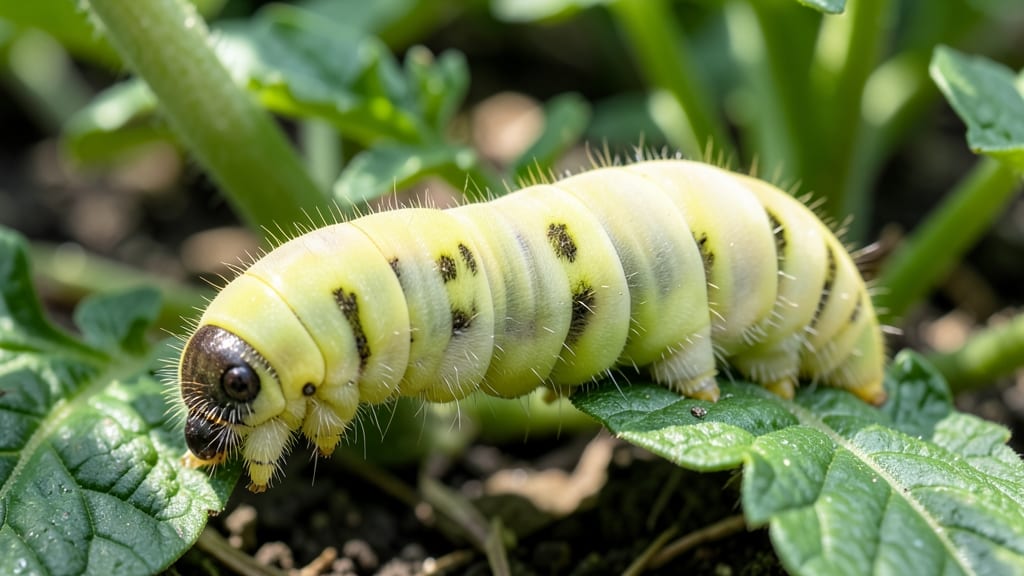
Stop tomato worms before they turn your plants into skeleton leaves. 🌱 I’ve lost count of the times I’ve found my tomato plants stripped bare overnight—until I discovered these organic barriers that actually stop the damage in its tracks.
The key is acting fast: check leaves daily for tiny green caterpillars or chewed stems, then wrap plants in lightweight row covers or use DIY collars made from cardboard. These tricks block worms without harming beneficial insects, and they work for both hornworms and cutworms.
Within a week, your plants will stop wilting from stress, and you’ll see new growth instead of holes. The best part? These methods prevent future infestations without chemicals, so your tomatoes stay lush and productive all season. Works for backyard gardens, containers, and even small raised beds.
Here’s how to set up the barriers for maximum protection.
The Hidden Triggers Behind Worms
Tomato worms—those pesky green caterpillars from the Manduca sexta (tomato hornworm) or Spodoptera exigua (beet armyworm) species—don’t just appear out of nowhere. They thrive because of specific conditions that make your tomato plants irresistible.
Understanding these triggers is the first step to outsmarting them. Let’s break down the science behind why these worms invade your garden in the first place.
Tomato worms aren’t picky eaters, but they have a serious weakness for soft, overripe, or injured fruit. Here’s why:
- Sugar and moisture content: As tomatoes ripen, their sugar levels rise, making them sweeter and more appealing to hungry caterpillars. A worm can detect these chemical signals from a distance.
- Physical damage: Even a small crack or bruise on a tomato releases volatile organic compounds (VOCs) that act like a dinner bell. Worms use their antennae to sniff out these distress signals.
- Bacterial entry points: Damaged fruit is also more vulnerable to rot, which creates a perfect breeding ground for worms and other pests.
Actionable fix: Harvest tomatoes as soon as they’re ripe (but still firm) and remove any fallen or damaged fruit immediately. This disrupts the worm’s feeding cycle and removes their favorite snack.
Worms target healthy, fast-growing tomato plants because they’re packed with nutrients and easy to infiltrate. Here’s the biology behind it:
- High nitrogen levels: Tomatoes grown in soil rich in nitrogen produce tender, leafy growth that worms love. While nitrogen is great for foliage, it can make plants more susceptible to pests.
- Weak structural defenses: Overly lush plants have thinner cell walls, making it easier for worms to chew through stems and leaves. In contrast, slightly stressed or pruned plants develop thicker, tougher tissues.
- Attracts beneficial insects (and their predators): While bees and ladybugs help pollinate and control pests, they also unintentionally guide worms to your plants by visiting the same flowers.
Actionable fix: Balance your soil’s nitrogen with phosphorus and potassium to encourage stronger stems and fruit. Prune plants to improve airflow and reduce dense foliage, which worms use as hiding spots.
Tomato worms are warm-weather pests, and their lifecycle accelerates in heat and humidity. Here’s how climate plays a role:
| Factor | Why It Helps Worms |
|---|---|
| Temperature (70–85°F) | Worms grow fastest in this range. Eggs hatch in 3–5 days when warm, compared to weeks in cooler weather. |
| Humidity (60%+) | High moisture keeps eggs from drying out and speeds up larval development. Dew or overhead watering also washes eggs into soil, where they’re hidden from predators. |
| Long daylight hours | Worms are most active during peak sunlight (10 AM–4 PM), when they feed aggressively to store energy for molting. |
Actionable fix: Use row covers or shade cloth to protect young plants during heatwaves. Water at the base (not overhead) to reduce humidity around foliage. If possible, plant tomatoes in morning sun/afternoon shade to slow worm activity.
Tomato worms would be far less destructive if not for their lack of natural enemies in many gardens. Here’s why they often go unchecked:
- Pesticide overuse: Broad-spectrum chemicals (like neonicotinoids) kill both pests and their predators, including parasitic wasps, lacewings, and birds that hunt worms.
- Monoculture gardening: Planting only tomatoes in a row provides worms with an all-you-can-eat buffet while starving their predators of alternative prey.
- Urban/suburban barriers: Birds and beneficial insects are often scared off by cats, noise, or lack of habitat (like nearby wildflowers).
Actionable fix: Introduce worm predators like braconid wasps (they lay eggs inside hornworms!) or attract birds with perches and shallow water sources. Plant companion flowers (e.g., dill, fennel, or marigolds) to lure beneficial insects.
Once you identify which of these factors are at play in your garden, you can target the root cause—not just the symptoms. The good news? Most of these triggers can be controlled with simple, organic adjustments.
Stay tuned for the next section, where we’ll dive into barrier methods that actually stop worms in their tracks.
Practical Ways to Stop Tomato Worms
Tomato worms—those pesky, green caterpillars—can turn your lush tomato plants into a buffet overnight. 🌱🐛 But don’t worry! With the right strategies, you can reclaim your garden and keep those worms at bay. Below, we’ve mapped out cause-specific solutions to tackle these critters, from quick fixes to long-term prevention.
---
Cause: Small infestations or early detection Solution: The most immediate way to stop tomato worms is to remove them by hand. It’s simple, chemical-free, and works best in the morning when the worms are sluggish.
- 👨🍳 Step 1: Inspect your plants daily, focusing on leaves and stems. - 🔪 Step 2: Use gloves (to avoid skin irritation from tomato hairs) and pluck worms into a bucket of soapy water. - ⏰ Step 3: Repeat every 2–3 days until no more worms are spotted.
💡 Pro Tip: Drop picked worms into a sealed bag or jar with a little dish soap—it’s a humane way to dispose of them without attracting other pests.
---
Cause: Worms laying eggs or returning to infested plants Solution: Create a physical barrier to prevent worms from reaching your tomatoes. These methods are low-cost, reusable, and eco-friendly.
| Barrier Method | How to Use It | Best For | |--------------------------|-----------------------------------------------------------------------------------|---------------------------------------| | Row Covers | Drape lightweight fabric over plants (secure with clips or bricks). | Early season protection | | Diatomaceous Earth | Sprinkle food-grade DE around the base of plants (reapply after rain). | Crawling larvae prevention | | Copper Tape | Wrap copper tape around stems or place strips near soil (creates a mild electric shock). | Deterring adult moths from laying eggs | | Neem Oil Spray | Mix 2 tbsp neem oil + 1 tsp mild soap in 1 gallon of water; spray leaves weekly. | Disrupting worm life cycles |
🌡️ Pro Tip: Combine row covers with neem oil for a double-layer defense. Just remember to remove covers during pollination (if using hand-pollination) or opt for fine mesh that allows bees through.
---
Cause: Worms targeting your main tomato crop Solution: Plant a sacrificial crop nearby to distract them. Worms prefer certain plants over tomatoes, so they’ll munch there instead.
- 🌿 Best Trap Plants: Basil, marigolds, or nasturtiums (plant 6–12 inches away from tomatoes). - 🔄 Maintenance: Check trap plants daily and remove worms immediately to keep them from spreading. - ✨ Bonus: These plants also repel other pests like aphids and whiteflies!
---
Cause: Recurring infestations year after year Solution: Disrupt the worm’s life cycle with cultural controls that make your garden less inviting.
- 🌱 Rotate Crops: Avoid planting tomatoes (or nightshades like peppers/eggplants) in the same spot annually. - 🍂 Clean Up Debris: Remove fallen leaves and plant waste in fall/winter—worms overwinter in organic matter. - 🐝 Encourage Predators: Attract birds, parasitic wasps, and ladybugs by planting native flowers (like dill or fennel) nearby. - 🌞 Plant Timing: Start seeds indoors 6–8 weeks before last frost, so plants mature faster and are less vulnerable to late-season worms.
💡 Pro Tip: If you’re growing tomatoes in containers, use self-watering pots—worms dislike damp soil and may avoid them.
--- If your garden is heavily infested (e.g., worms on every leaf, eggs everywhere), consider: - 🍄 Bacillus thuringiensis (Bt): A natural bacteria that kills worms when ingested (safe for humans/pets). - 🕷️ Beneficial Nematodes: Microscopic worms that attack tomato worm larvae in the soil (apply at dusk).
--- Remember: Consistency is key! Check your plants regularly, especially after rain (worms are most active when foliage is wet). With these methods, you’ll stop tomato worms in their tracks—no chemicals needed. 🚀
Frequently asked questions
How do I know if my tomato plants have worms?
Look for large green caterpillars (up to 4 inches long) with white stripes or black spots. Check for chewed leaves that look like Swiss cheese or missing fruit. Early signs include black droppings on leaves or stems. Inspect plants in the morning when worms are least active.
Can I use soap spray to kill tomato worms?
Yes! Mix 1 tablespoon mild dish soap with 1 quart water and spray directly on worms. The soap disrupts their protective coating, killing them within minutes. Reapply every 3-5 days or after rain. Avoid harsh soaps that may harm plants or beneficial insects.
Will row covers work for the entire growing season?
Row covers protect young plants well, but remove them when flowers appear to allow pollination. For late-season protection, use fine mesh covers that let bees through. Alternatively, switch to neem oil sprays or hand-picking once plants flower. Timing is key—cover plants before moths lay eggs!
What's the fastest way to stop a severe infestation?
For heavy worm damage, combine Bacillus thuringiensis (Bt) spray (applied at dusk) with physical removal of visible worms. Add beneficial nematodes to the soil to attack larvae. Check plants daily and remove all worms immediately. This 3-step approach works within 5-7 days for most gardens.
Do tomato worms come back every year?
Yes, but you can break their cycle! Remove all plant debris in fall/winter (worms overwinter in soil). Rotate crops annually and plant trap crops like basil. Introduce natural predators (birds, parasitic wasps) by adding native flowers to your garden. With these steps, you can reduce infestations by 80%+ next season.