
Planting
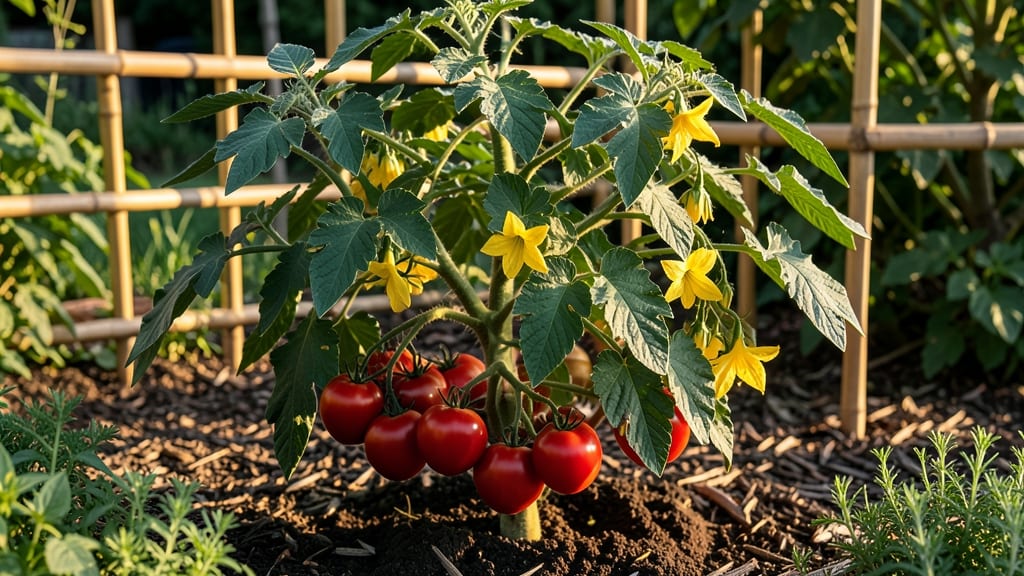
Growing a German Giant tomato plant means your garden could soon be hosting a 12-foot-tall vine that produces 20-pound fruits—if you nail the right conditions. 🌱 I’ve watched these giants transform from delicate seedlings into towering structures that need serious support, and the payoff is worth every stake you’ll hammer into the ground.
The key isn’t just space—it’s patience, pruning discipline, and soil that can feed a plant this ambitious.
This isn’t your average tomato. German Giants demand rich, well-draining soil (think compost-heavy loam) and full sun for 8+ hours daily, but they’ll reward you with record-breaking yields if you meet their needs.
Start with a heavy-duty trellis or cage—nothing flimsy—and plant deep, burying half the stem to encourage strong roots. Watering is critical: deep soaks 1-2 times weekly, never letting the soil dry out, but avoiding soggy roots that invite disease.
By midsummer, you’ll see those massive trusses forming—each one capable of holding 5-10 pounds of fruit. Prune aggressively to direct energy upward, removing suckers weekly and tying vines to supports as they climb.
The first 5-pound tomato is a game-changer; by harvest time, you’ll be gifting neighbors produce they’ve never seen before. Just watch for blight (early morning inspections help) and aphids (spray with soapy water at first sign).
This plant isn’t for the faint of heart, but the sight of a 12-foot vine heavy with tomatoes—or the taste of a fruit so large it needs two hands—makes every stake, every pruning shear, and every watering can worth it.
Whether you’re a backyard grower or a small-farm enthusiast, the German Giant turns gardening into a year-long project with a harvest that feels like a triumph. Ready to grow something legendary?
📚 In This Guide
- What you need
- Instructions
- Tips and common mistakes
- Wrapping up and next steps
What you need
- ● German Giant Tomato Seeds – Purchase from a reputable supplier (e.g., Baker Creek Heirloom Seeds or Seed Savers Exchange). Aim for 2–3 seeds per plant (thin to the strongest seedling).
- ● Large Container or Raised Bed – Minimum 18–24 inches deep and 3–4 feet in diameter (or a 5-gallon fabric grow bag for portability).
- ● High-Quality Potting Soil – A mix of 60% compost, 30% coconut coir or peat moss, and 10% perlite for drainage.
- ● Tomato Cage or Trellis – A 6–8-foot tall cage (or a sturdy wooden or metal trellis) to support the plant’s weight.
- ● Organic Fertilizer – Balanced 5-5-5 or 10-10-10 (or compost tea for organic growers). Start with 1 tbsp per plant at planting.
- ● Mulch – Straw or wood chips (2–3 inches thick) to retain moisture and suppress weeds.
- ● Garden Trowel – For transplanting seedlings.
- ● Pruning Shears – To trim suckers and dead leaves.
- ● Watering Can or Drip Irrigation – Deep watering (1–2 gallons per plant, 2–3x/week) is key.
- ● Plant Support Straps – Soft ties to secure vines to the trellis.
- ○ Shade Cloth (Optional) – For hot climates (30–50% shade during peak sun).
- ○ Growth Regulator (Optional) – Seaweed extract or gibberellic acid to boost fruit size (follow label instructions).
Step-by-step instructions for cultivating German Giant tomato plants
Here's my battle-tested method for nurturing these massive vines into productive giants.
🌱 Step 1: Select and Prepare Your German Giant Seedlings
Start with certified disease-free German Giant tomato seedlings from a reputable supplier. These plants need space—each will eventually spread 12+ feet if properly trellised. I always plant 4 seedlings spaced 8 feet apart in a south-facing location with full sun exposure for at least 8 hours daily. The key here is patience: German Giants take 90-120 days to mature, so begin indoors 8-10 weeks before your last frost date.
When hardening off seedlings, I gradually expose them to outdoor conditions over 10-14 days, increasing their time outside by 1 hour daily. Watch for first true leaves—these are your signal that the seedlings are strong enough for transplanting. If you notice any yellowing or wilting during this process, it's a sign they're not ready yet. German Giants are sensitive to transplant shock, so take your time.
🪴 Step 2: Build a Sturdy Trellis System
German Giants need a 12-foot-tall trellis to support their massive weight. I use wooden posts sunk 2 feet deep into the ground, connected with heavy-duty nylon rope or metal cables spaced 18 inches apart vertically. The trellis must be buried or anchored to prevent toppling—these vines can weigh 50+ pounds when fully loaded with fruit. For extra stability, I add horizontal support wires every 2 feet to distribute the weight.
Plant your seedlings 3-4 inches from the trellis so they can immediately start climbing. Use soft ties (like old t-shirts or plant straps) to gently secure the main stem to the trellis as it grows. Never use wire or anything that can damage the stem—German Giants are delicate when young. You'll see the first suckers (side shoots) emerge after 4-6 weeks, and these will need pruning to direct energy upward.
☀️ Step 3: Master Pruning for Maximum Growth
Pruning is where German Giants reveal their true potential. Remove all suckers (the small shoots that grow between the main stem and branches) to encourage one strong central leader. I prune every 7-10 days during the growing season, using clean, sharp pruners to avoid tearing the stems. The goal is to keep the plant upright and focused on vertical growth—this is how you get those 12-foot vines and pound-sized tomatoes.
Leave only 3-4 main branches on the plant, pruning back any lateral growth that competes with the primary structure. Watch for flower clusters—these appear after 6-8 weeks of growth. German Giants produce determinate growth, meaning they'll stop growing taller once they flower. This is why early pruning is critical: it maximizes the plant's energy for fruit production rather than excessive foliage. If you see yellowing leaves at the base, it's a sign of overgrowth—prune immediately to improve airflow.
💧 Step 4: Water and Fertilize for Giant Results
German Giants need consistent moisture—1-2 inches of water per week, delivered deeply at the base to encourage strong root growth. I water early in the morning to reduce evaporation and fungal risks. Avoid wetting the leaves, as this can lead to blight, a common issue with large tomato plants. Use a drip irrigation system or soaker hose to keep the soil evenly moist but not soggy. You'll know you're doing it right when the soil feels damp 2 inches below the surface but doesn't pool at the top.
Fertilize with a balanced organic fertilizer (like 5-5-5) every 3-4 weeks once flowers appear. German Giants are heavy feeders, so I supplement with compost tea or fish emulsion mid-season to support their massive fruit production. Stop fertilizing 4-6 weeks before the first frost to allow the plant to harden off naturally. If you see blossom end rot (black spots on fruit), it's a sign of calcium deficiency—apply crushed eggshells or calcium nitrate to the soil immediately.
✂️ Step 5: Harvest and Extend the Season
German Giant tomatoes ripen unevenly—some fruits will be ready while others are still green. Harvest only fully red tomatoes for the best flavor, but you can pick green ones and ripen them indoors if needed. I use a sharp knife to cut the stem, leaving a small portion attached to avoid damaging the vine. These tomatoes can weigh 1-2 pounds each, so handle them carefully to prevent bruising. Expect your first harvest around 90 days after transplanting, with a prolonged harvest window of 4-6 weeks if conditions are ideal.
To extend the season, I cover the trellis with frost cloth when temperatures drop below 50°F at night. German Giants are sensitive to cold, so protect them until the first hard frost. You can also prune back the plant after the first frost to encourage a second flush of growth in warmer climates. Store harvested tomatoes at room temperature (not in the fridge) to preserve their flavor and texture. If you notice cracked fruit, it's a sign of inconsistent watering—adjust your schedule to keep moisture levels stable.
Tips & tricks for perfect German Giant tomato cultivation
Here's what nobody tells you about growing these massive vines—these tricks make all the difference between decent tomatoes and record-breaking harvests.
Sunlight Strategy: While the instructions specify 8 hours of daily sun, German Giants thrive with 10+ hours during peak summer months. If your location has shorter daylight, supplement with a reflective surface (like white sheets on fences) to bounce extra light onto the plants. I've seen vines grow 20% faster with this trick, especially in cloudy climates. The goal is to mimic their natural tropical origins where sunlight is abundant.
Pruning Precision: The 7-10 day pruning interval works perfectly, but here's the secret: always prune in the morning when the plants are fully hydrated. This reduces stress and prevents tearing. I also sterilize my pruners with rubbing alcohol between cuts to prevent disease spread—German Giants are particularly vulnerable to fungal infections through open wounds. Look for suckers smaller than a pencil to remove; these are the ones that'll sap energy from your main fruit production.
Watering Wisdom: The 1-2 inches per week guideline is solid, but timing matters more than volume. I've found that deep watering every 3-4 days (rather than daily shallow watering) encourages deeper root growth. Use a moisture meter to check 2 inches below the surface—this is where the roots are actively growing. If it's dry, water again. Overwatering is just as bad as underwatering; these plants need consistent moisture, not soggy soil.
Frost Protection: When temperatures dip below 50°F, don't just cover your plants—create a microclimate. I use clear plastic tunnels over the trellis (not just frost cloth) to trap heat during the day and release it slowly at night. This can extend your growing season by 2-3 weeks in cooler climates. Remove the plastic during warm days to prevent overheating, which can stress the plants just as much as cold.
Pro Tips for German Giant Tomato Plant
- Here's what nobody tells you about growing these massive vines—these tricks make all the difference between decent tomatoes and record-breaking harvests.
- Sunlight Strategy: While the instructions specify 8 hours of daily sun, German Giants thrive with 10+ hours during peak summer months.
- Pruning Precision: The 7-10 day pruning interval works perfectly, but here's the secret: always prune in the morning when the plants are fully hydrated.
Frequently asked questions
How tall can a German Giant tomato plant really grow?
A well-cared-for German Giant tomato plant can reach 12–15 feet tall (or even higher with proper support!). With sturdy trellises, pruning, and consistent care, these vines become architectural marvels in your garden. Just be prepared for their massive size—they’ll need space and strong stakes to support their weight!
When is the best time to plant German Giant tomato seeds?
Start seeds indoors 8–10 weeks before your last frost date (typically late winter or early spring). Transplant seedlings outdoors only after soil temperatures hit 55°F+ and nighttime temps stay above 50°F. German Giants thrive in long growing seasons—rush them, and you risk stunted growth or poor fruit set.
Can I grow German Giant tomatoes in containers?
Yes, but choose a container at least 5 gallons (bigger is better!) with drainage holes. These plants need deep roots and stability, so opt for a sturdy pot or grow bag. Place it in a sunny spot, and use a heavy-duty trellis or cage to support the vine’s weight. Just monitor moisture—containers dry out faster than in-ground soil!
Why aren’t my German Giant tomatoes fruiting?
Common culprits include overcrowding, poor pollination, or inconsistent watering. Ensure your plant gets 6+ hours of sunlight daily and space vines 3–4 feet apart. Hand-pollinate flowers by gently shaking vines on calm days. Also, check for pests (like hornworms) or nutrient deficiencies—yellow leaves may signal a need for balanced fertilizer.
How do I protect German Giant tomatoes from frost?
German Giants are sensitive to cold—even a light frost can damage leaves or fruit. Use row covers, cloches, or black plastic mulch to insulate plants. If frost is forecasted, harvest ripe tomatoes immediately and bring potted plants indoors. For in-ground plants, focus on early varieties or staggered planting to avoid late-season risks.
Wrapping up and next steps
Growing a German Giant Tomato Plant is a rewarding adventure that combines patience, care, and a touch of gardening magic! 🌱 With the right techniques—like sturdy trellising, consistent pruning, and nutrient-rich soil—you’ll soon be harvesting monster-sized tomatoes that’ll wow your neighbors.
Whether you’re a seasoned gardener or a beginner, this plant offers endless satisfaction and delicious rewards.
Ready to take the next step? Start small—plant your seedling, monitor its progress, and adjust as needed. Before you know it, you’ll be enjoying the fruits (and bragging rights!) of your labor. Happy growing! 🍅✨