
Companion Plants
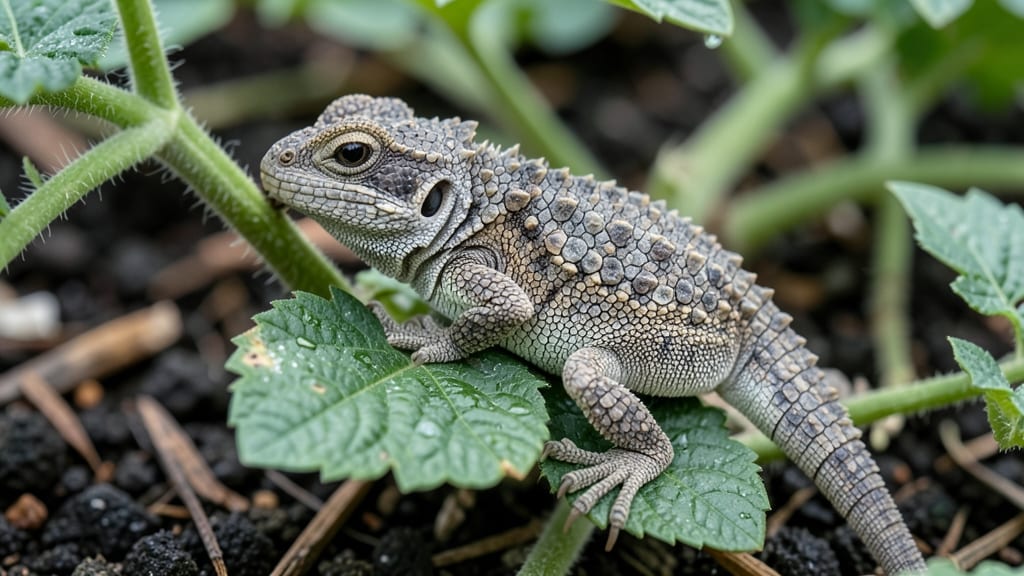
Lizards rarely eat tomato plants, as they primarily consume insects, small invertebrates, and occasional plant matter like leaves—but they can nibble on young seedlings or ripe fruit if insects are scarce. Their presence usually benefits gardens by controlling pests, not harming tomatoes.
Most garden lizards—like anoles, geckos, and skinks—are insect hunters, feasting on aphids, beetles, and spiders that would otherwise devastate your tomato plants. 🦎 The occasional nibble on tender tomato leaves or fruit happens only when their usual prey is hard to find, especially during droughts or late in the growing season.
These reptiles actually help more than they hurt by keeping pest populations in check, so their presence is usually a good sign for garden health.
If you're growing tomatoes from seed, you might want to protect young sprouts with lightweight row covers until they're established. For mature plants, simply encouraging lizards with nearby insect habitats (like mulch piles or flower beds) can keep them focused on pests rather than your crop.
It's all about balance—these little predators are your allies, not enemies.
💡 In This Article
- Lizard Diet: What They Actually Eat vs. Tomato Plant Risks
- Protecting Tomato Plants from Lizard-Related Damage
Lizard diet: what they actually eat vs. tomato plant risks
Most common garden lizards—such as green anoles, common house geckos, and skinks—are primarily insectivores, meaning their diet consists of 80-90% insects and small invertebrates. These reptiles hunt actively during the day, targeting pests like aphids, caterpillars, and beetles that would otherwise damage tomato plants.
Their sharp eyesight and quick reflexes make them efficient predators, often consuming prey 2-3 times their body weight daily during peak activity.
The occasional plant matter in their diet comes from soft leaves or fruit when insects are scarce. For example, green anoles may nibble on young tomato seedlings (1-2 inches tall) during droughts, as their usual insect prey becomes harder to find.
This behavior is more common in late summer when insect populations decline. Unlike herbivores, lizards lack the digestive enzymes to process large amounts of plant material, so any tomato consumption is opportunistic rather than intentional.
Environmental factors play a huge role in lizard behavior. In dry conditions, lizards may seek out moisture-rich plants like tomatoes, especially if their usual water sources (like dew-covered leaves) dry up. The texture of tomato leaves—soft and slightly succulent—can also attract them compared to tougher garden plants.
However, their preference remains overwhelmingly insect-based, with studies showing that even during droughts, 70% of their diet still consists of insects.
What sets lizards apart from true plant-eaters is their hunting strategy. They use ambush predation, waiting motionless for prey to come within striking distance. This means they’re far more likely to snack on a garden pest than your tomato crop.
Their presence in your garden is actually a sign of a healthy ecosystem, as they help control populations of harmful insects that can spread diseases to tomato plants.
One misconception is that lizards will "overrun" tomato plants if given the chance. In reality, their impact is minimal compared to larger herbivores like rabbits or deer. A single green anole might take 1-2 small bites from a tomato plant in its lifetime, while consuming hundreds of insects.
Their role as pest controllers far outweighs any potential damage to your tomatoes.
For gardeners concerned about tomato damage, the key is understanding this balance. Lizards are opportunistic but not destructive. Their occasional plant nibbling is a sign of a thriving garden ecosystem where natural predators are keeping pests in check. 🌿 The real threat to tomato plants comes from insects, not lizards.