
Companion Plants
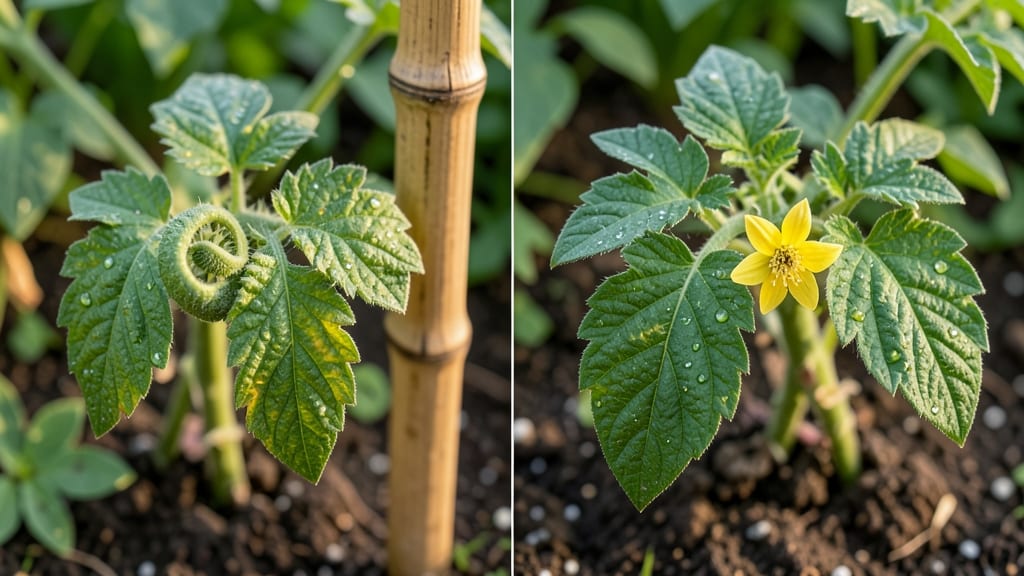
Your young tomato plants’ leaves curling like crispy chips 🌱 isn’t just annoying—it’s a cry for help from your plants. I’ve seen this happen after my first season when I ignored the subtle signs until the damage was done. The good news?
Most cases are fixable with quick action, and I’ll walk you through exactly what to check first. The culprits range from spider mites hiding on the undersides of leaves to sudden temperature swings or even overwatering that’s suffocating the roots.
My plants recovered completely after I spotted tiny webs and treated them with neem oil—something I’d never tried before that season. The key is acting fast before the problem spreads to the stems.
By the end of this, you’ll know whether to spray, adjust your watering, or pull out the gloves for a closer inspection. The goal is to turn those crispy edges into lush, green growth before your plants give up entirely. Let’s get your tomatoes back on track.
Start by examining the undersides of leaves for tiny specks or webs—those are spider mites, and they’re the sneakiest culprits. I once missed them for weeks because they blend into the plant until the damage is obvious.
If you find them, a neem oil spray (mix 1 tablespoon with 1 quart of water) applied every 5-7 days will knock them out without harming your plants. For environmental stress, check your watering routine—too much or too little can cause curling.
My plants perked up after I switched to watering deeply twice a week instead of daily shallow drinks. Also, keep them away from drafts or sudden heat spikes, which can stress young leaves just as much as pests.
If the curling comes with yellowing or stunted growth, it might be a nutrient issue—especially if your soil is new or sandy. A balanced fertilizer (like 10-10-10) applied lightly to the soil can help, but don’t overdo it.
I learned that hard way when my tomatoes grew fast but floppy after too much nitrogen. When in doubt, isolate affected plants to prevent spreading problems.
If the curling persists after a week of treatment, it might be a viral issue like tomato mosaic virus, and you’ll need to consult a local extension office for next steps. But in most cases, you’ve got this!
Hidden Triggers Behind Curling Leaves
When your young tomato plants start showing those telltale curled leaves, it’s often a silent SOS from your plants—each cause has its own unique fingerprint. Understanding these triggers is half the battle in saving your crop.
Let’s break down the root causes (literally and figuratively) behind the crinkled edges, so you can diagnose and act fast.
Tomatoes are tropical plants at heart, but they’re not fans of extreme heat or sudden temperature swings.
When daytime temperatures soar above 90°F (32°C) or drop below 50°F (10°C) at night, their leaves curl as a protective measure—think of it like closing a book to shield its pages from the sun.
- Why it happens: High heat increases transpiration (water loss), causing cells to shrink and leaves to curl upward or inward. Nighttime chills disrupt enzyme activity, stunting growth and triggering stress responses.
- Actionable fix:
- Provide afternoon shade with floating row covers or shade cloth (30–50% coverage).
- Mulch heavily with straw or grass clippings to regulate soil temperature.
- Avoid planting tomatoes in low-lying areas where cold air pools overnight.
Water is the lifeblood of tomato plants, but imbalances send them into a panic. Curling leaves often signal drought stress or overwatering, both of which disrupt cellular turgor pressure—the "plumpness" that keeps leaves flat.
- Underwatering:
- Soil dries out, roots struggle to absorb water, and leaves curl downward or inward to conserve moisture.
- Check soil moisture 1–2 inches deep—if it’s dry, water deeply until it drains from the bottom.
- Overwatering:
- Soggy soil cuts off oxygen to roots, leading to root rot and nutrient deficiencies. Leaves may curl upward or develop yellowing edges.
- Use a moisture meter or the "squeeze test": Gently press soil—if water drips out, hold off on watering.
Some of the most common culprits behind curling leaves are invisible invaders like spider mites, aphids, or whiteflies. These pests feed on sap, injecting toxins that cause leaves to pucker, yellow, or distort.
| Pest | Signs | How They Cause Curling | Fix It |
|---|---|---|---|
| Spider Mites 🕷️ | Tiny webs on undersides, stippled leaves | Pierce cells, sucking out fluids and leaving behind toxic saliva that distorts leaf structure. | Spray with neem oil or introduce predatory mites. |
| Aphids 🐜 | Sticky residue ("honeydew"), curled new growth | Cluster on tender leaves, injecting viruses (like Tomato Yellow Leaf Curl Virus) that warp leaves. | Blast off with water spray or use soapy water (1 tsp mild soap per quart of water). |
| Whiteflies ✈️ | White, moth-like insects on undersides; yellowing leaves | Excrete honeydew, fostering sooty mold and blocking sunlight, leading to curled, stunted leaves. | Trap with yellow sticky cards or use kaolin clay as a barrier. |
Tomatoes are heavy feeders, and when they’re missing key nutrients, their leaves curl as a sign of distress. The most common deficiencies tied to curling are:
- Potassium (K) Deficiency 🍠
- Symptoms: Older leaves curl upward with brown, crispy edges (a classic sign of "scorch").
- Why it happens: Potassium regulates water balance and enzyme function. Without it, cells lose turgor, leading to curling and necrosis.
- Fix: Apply potassium-rich fertilizer (like banana peel tea or greensand) or use Epsom salt (1 tbsp per gallon of water).
- Nitrogen (N) Deficiency 💥
- Symptoms: Younger leaves curl downward and turn pale green or yellow.
- Why it happens: Nitrogen is critical for leaf growth. A deficiency stunts cell expansion, causing leaves to remain small and curled.
- Fix: Add compost, fish emulsion, or a balanced fertilizer (10-10-10).
- Calcium (Ca) Deficiency 🧀
- Symptoms: New leaves curl upward with brown tips (a condition called "blossom end rot" in fruits).
- Why it happens: Calcium strengthens cell walls. Poor uptake (often due to high nitrogen or low soil pH) leads to weak, curling leaves.
- Fix: Apply crushed eggshells, lime, or calcium nitrate. Ensure soil pH is 6.0–6.8.
Pathogens like Early Blight, Septoria Leaf Spot, or Bacterial Spot can cause leaves to curl as they invade tissues. These infections thrive in humid, stagnant conditions and often appear alongside other symptoms like spots or wilting.
- Early Blight (Alternaria solani) 🍄
- Signs: Concentric brown spots with yellow halos on older leaves, which curl upward.
- Fix: Remove infected leaves, space plants for airflow, and spray with copper fungicide.
- Bacterial Spot (Xanthomonas perforans) 🦠
- Signs: Water-so
Quick Fixes for Wrinkled Tomato Leaves
When your young tomato plants’ leaves start curling like a crispy chip, panic isn’t your best friend—but action is! The good news? Most causes have simple, garden-friendly fixes. Below, we map the most common culprits to step-by-step solutions, plus pro tips to keep your plants thriving. 🌱💧
Signs: Yellowing leaves, soggy soil, curling and wilting (not just crispy edges).
How to Fix It:
- 👨🍳 Let the Soil Dry Out
- Stick your finger 1–2 inches into the soil. If it’s damp, hold off on watering for 2–3 days. Tomato roots hate sitting in wet socks.
- Pro Tip: 💡 Use a moisture meter for accuracy—no more guesswork!
- ⏰ Adjust Your Watering Schedule - Water deeply once or twice a week (depending on climate), focusing on the base of the plant, not the leaves.
Early morning is ideal—avoid evening water to prevent fungal hitchhikers. - Fix: If your soil drains like a colander, mix in compost or coconut coir to improve retention without drowning roots.
- 🔪 Check Your Containers (If Potted)
- Ensure pots have drainage holes (no excuses!). Elevate pots on saucers or bricks to prevent water pooling.
- Prevention: 🌡️ Use well-draining soil blends (e.g., 60% potting mix + 30% perlite + 10% vermiculite).
Signs: Leaves curl upward (like reaching for shade), crispy edges, or a bleached, papery texture on sunny sides.
How to Fix It:
- 🌿 Provide Temporary Shade
- Move potted plants to a 50% shade cloth or dappled sunlight spot for 3–5 days. If in-ground, use a lightweight row cover or a DIY shade sail (old bedsheet + stakes).
- Quick Fix: 🍳 Place a white umbrella or bucket over the plant to reflect excess heat.
- 💧 Hydrate + Mulch
- Water early in the day to let leaves dry before evening heat sets in. Mulch with straw or grass clippings to keep roots cool.
- Prevention: 🎯 Plant heat-tolerant varieties like ‘Solar Fire’ or ‘Heatmaster’ if you’re in a hot zone.
- 🌱 Adjust Plant Placement
- If your garden gets afternoon sun (2–5 PM), relocate plants to the west or east side of structures or trees. Avoid south-facing walls in peak summer.
Signs: Curling and tiny holes, webbing, or sticky residue (honeydew). Check the undersides of leaves!
How to Fix It:
- 🔪 Identify the Pest
- Aphids/Whiteflies: Curling + sticky leaves.
- Spider Mites: Fine webbing + silvery speckles.
- Tomato Hornworms: Ragged holes + green caterpillars the size of your thumb.
- 🍳 Natural Pest Control - Soap Spray: Mix 1 tsp mild dish soap + 1 quart water in a spray bottle.
Test on a few leaves first—some plants are sensitive! - Neem Oil: 🌿 Spray a 1% neem oil solution (1 tbsp oil + 1 tsp mild soap per quart of water) every 5–7 days to deter eggs. - Pro Tip: 💡 Release ladybugs or lacewings (beneficial insects) to eat aphids for you!
- 🌱 Companion Plants to the Rescue
- Plant basil, marigolds, or nasturtiums nearby—these repel pests and improve tomato flavor. Bonus: They’re edible!
Signs: Curling with yellowing between veins (nitrogen), purple stems (phosphorus), or weak, stunted growth (potassium).
How to Fix It:
| Deficiency | Quick Fix | Prevention |
|---|---|---|
| Nitrogen (Yellow Leaves) | Side-dress with compost or blood meal (1 tbsp per plant). | Use a balanced fertilizer (10-10-10) at planting. |
| Potassium (Brown Edges) | Feed with banana peel tea (steep peels in water for 24 hours) or greensand. | Add wood ash (sparingly) to soil. |
| Magnesium (Yellow Spots) | Spray Epsom salt solution (1 tbsp per gallon of water). | Mix 1 tbsp Epsom salt per hole at planting. |
Pro Tip: 🌱 Over-fertilizing can burn roots—always water before and after applying nutrients!
Signs: Curling within 1–2 weeks of transplanting, stunted growth, or wilting despite proper care.
How to Fix It:
- 💧 Water Deeply + Mulch
- Soak the root zone once a week for the first 2 weeks post-transplant. Mulch with straw or grass clippings to retain moisture.
- 🌿 Prune Gently
- Trim any damaged or curled leaves to redirect energy to new growth. Use clean, sharp scissors to avoid tearing.
- 🎯 Gradual Hardening Off
- If seedlings came from indoors, acclimate them by moving them outside for 1–2 hours daily, increasing time over 7–10 days.
Signs: Curling with mosaic patterns, stunted growth, or black spots (early blight).
How to Fix It:
- 🔪 Remove Infected Plants Immediately
- Bag and dispose of (don’t compost!) curled leaves to prevent spread. Fungi and viruses love hitching rides on tools or wind.
- 🌿 Copper Fungicide Spray
- Mix 1 tbsp copper sulfate per gallon of water and spray every 7–10 days for fungal diseases like early blight.
- 💡 Prevention for Next Season
- Rotate crops—don’t plant tomatoes (or nightshades) in the same spot for 3 years.
- Solarize soil in late summer: Cover beds with clear plastic for 4–6 weeks to kill pathogens.
Final Pro Tip: ✨ Keep a garden journal! Note when you water, fertilize, and transplant—patterns will reveal what’s really stressing your plants. Happy growing! 🍅🌿
Frequently asked questions
Why do my young tomato leaves curl upward instead of downward?
Upward curling usually signals heat stress or potassium deficiency. When temperatures exceed 90°F (32°C), leaves curl to reduce water loss. Check for brown, crispy edges—this is classic potassium deficiency. Try shade cloth or banana peel tea to address both issues.
Can I save my tomato plants if the curling is caused by spider mites?
Yes! Act fast with a neem oil spray (1 tbsp oil + 1 tsp soap per quart of water) applied every 5-7 days. For severe infestations, introduce predatory mites or blast leaves with water to dislodge pests. Isolate affected plants to prevent spread to healthy foliage.
How often should I water tomato seedlings to prevent leaf curling?
Water deeply 2-3 times per week for seedlings, ensuring the top 1-2 inches of soil dry out between waterings. Overwatering causes root rot, while underwatering stresses plants. Use your finger to check moisture—if it's dry, it's time to water.
What's the difference between heat stress and pest damage curling?
Heat stress causes uniform curling across all leaves with crispy edges, while pests create irregular patterns often starting on undersides. Check for webs (spider mites), sticky residue (aphids), or tiny holes (hornworms) to confirm the culprit.
Will pruning curled leaves help my tomato plants recover?
Yes, but only if the curling isn't from a viral infection. Remove 10-20% of damaged leaves to redirect energy to healthy growth. Avoid over-pruning—never remove more than 1/3 of foliage at once. Focus on severely curled leaves first.