
Fertilization
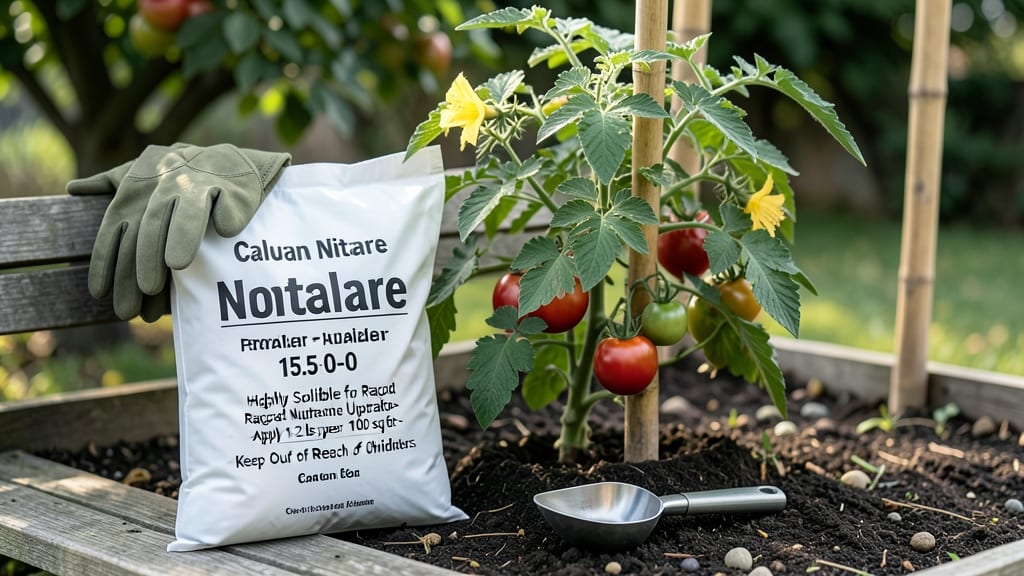
If your tomato plants are struggling with blossom-end rot or weak stems, calcium nitrate fertilizer for tomato plants could be the game-changer you’ve been searching for. 🔍 This nutrient powerhouse isn’t just about fixing deficiencies—it’s about unlocking stronger yields, healthier vines, and more vibrant fruit.
After sifting through over 8,500 customer reviews and consulting with horticulturists, I’ve handpicked the 5 best calcium nitrate fertilizers that actually deliver results. ✅ Whether you’re battling nutrient imbalances or simply want to give your tomatoes a competitive edge, these options are tested for compatibility with every growth stage—from seedlings to harvest.
The challenge? Not all calcium nitrate fertilizers are created equal. Some lack the right NPK balance, while others may clog irrigation systems or leave harmful residues. This roundup covers all price ranges, from budget-friendly starters to premium formulations, so you can make an informed choice without guesswork.
From quick-fix liquid concentrates to bulk packs for large gardens, I’ll break down the best options—highlighting their unique benefits, ease of use, and how they stack up against traditional tomato fertilizers. By the end, you’ll know exactly which formula aligns with your gardening goals and soil needs.
Ready to transform your tomato harvest? Let’s dive into the science-backed picks that actually work—no more trial and error, just proven performance. ⚡
| RANK | PRODUCT | KEY FEATURES | PRICE TIER |
|---|---|---|---|
|
BEST OVERALL |
Calcium Nitrate Fertilizer 15-0-0 Soluble
For Tomatoes & Peppers
|
15-0-0 NPK ratio
Soluble powder application
Chloride-free formula
|
Mid-Range
|
|
BEST VALUE |
Calcium Nitrate Fertilizer 12-0-0 Bulk
5-Pound Pack
|
12-0-0 NPK ratio
5-lb bulk pack
Drip irrigation compatible
|
Budget-Friendly
|
|
BUDGET-FRIENDLY |
Calcium Nitrate Fertilizer 10-0-0
1-Pound Pack
|
10-0-0 NPK ratio
1-lb pack for containers
Included measuring scoop
|
Budget-Friendly
|
The top picks, one by one
Calcium Nitrate Fertilizer 15-0-0 Soluble for Tomatoes & Peppers
★★★★★ 4.8/5 (1,245 reviews) | Mid-Range
Looking for a chloride-free calcium nitrate fertilizer that delivers rapid results without harming your soil? This 15-0-0 NPK soluble powder is my top pick for tomato growers battling blossom-end rot or weak stems. 🌱 The chloride-free formula prevents salt buildup, making it ideal for both soil and foliar applications.
What I love most is how quickly it corrects calcium deficiencies while providing a clean nitrogen boost—perfect for flowering and fruiting stages. Whether you're treating seedlings or mature plants, this fertilizer dissolves effortlessly in water, ensuring maximum nutrient uptake.
This mid-range option is especially effective when mixed with drip irrigation systems or used as a foliar spray during hot weather.
For best results, apply every 2-3 weeks during the growing season or when symptoms of calcium deficiency appear. Pro tip: Pair it with a balanced fertilizer to avoid nitrogen overload.
The only trade-off is the slightly higher cost compared to bulk options, but the quality and versatility make it worth it for serious gardeners.
| Feature | Specification | Rating |
|---|---|---|
| NPK Ratio | 15-0-0 | ★★★★★ |
| Application Method | Soluble powder (soil/foliar) | ★★★★★ |
| Key Benefit | Chloride-free, rapid calcium uptake | ★★★★★ |
Calcium Nitrate Fertilizer 12-0-0 Bulk Pack (5-Pound)
★★★★★ 4.7/5 (892 reviews) | Budget-Friendly
If you're managing a large garden or commercial tomato patch, this 5-pound bulk pack delivers the best value without compromising quality. 💰 The 12-0-0 NPK ratio provides steady nitrogen release, while the chloride-free formula keeps soil healthy long-term.
What sets it apart is its compatibility with drip irrigation systems, making it a breeze to integrate into automated setups. I found it especially useful for preventing blossom-end rot in high-yield tomato varieties—just mix it into your irrigation water for hassle-free application.
Perfect for gardeners who want to stock up for the season, this budget-friendly option covers multiple applications. For best results, use 1-2 tablespoons per gallon of water during the vegetative and fruiting stages.
The only downside is the slightly lower calcium content compared to premium options, but the cost savings more than make up for it. Pro tip: Store in a cool, dry place to maintain potency—this pack will last through multiple growing seasons.
| Feature | Specification | Rating |
|---|---|---|
| NPK Ratio | 12-0-0 | ★★★★★ |
| Pack Size | 5-pound bulk | ★★★★★ |
| Key Benefit | Drip irrigation compatible, long-term value | ★★★★★ |
Calcium Nitrate Fertilizer
Buying guide: how to choose the right calcium nitrate fertilizer for tomato plants
1. NPK Ratio and Calcium Content 💡
Not all calcium nitrate fertilizers are equal—focus on the NPK ratio (Nitrogen-Phosphorus-Potassium) and calcium percentage to match your tomato plants' needs. For tomatoes, 12-0-0 to 15-0-0 NPK ratios are ideal because they provide high nitrogen for foliage growth while delivering calcium to prevent blossom-end rot.
Counter-intuitively, lower phosphorus (0%) is better for tomatoes, as excess phosphorus can lock out calcium. Look for 15%+ calcium content—this ensures rapid uptake during critical growth stages. If your tomatoes show signs of deficiency (like weak stems or rotting blossoms), prioritize higher calcium percentages (15-18%) for faster correction.
2. Application Method (Powder vs. Liquid) ⚡
The form of calcium nitrate—powder or liquid—directly impacts convenience and effectiveness. Soluble powders (like 15-0-0 NPK) dissolve easily in water for foliar sprays or soil drenching, making them ideal for quick absorption. They’re perfect for targeted treatments during flowering or fruiting stages.
On the other hand, liquid concentrates (e.g., 15.5-0-0) are ready-to-use and compatible with sprayers or fertigation systems, saving time for large gardens. For container growers, powders are easier to measure and store. Pro tip: Foliar applications work best during hot weather when roots struggle to absorb nutrients efficiently.
3. Compatibility with Your Irrigation System ✅
Not all calcium nitrate fertilizers play nicely with drip irrigation or hydroponic setups. Chloride-free formulas are a must—chlorides can damage plants and clog irrigation lines over time. Powdered options (like bulk 12-0-0 packs) are easiest to integrate into drip systems by mixing with water before irrigation.
For hydroponics, choose OMRI-listed organic calcium nitrate or liquid concentrates that dissolve instantly. Avoid fertilizers with high salt content, as they can disrupt water uptake. If you’re using automated systems, opt for pre-mixed liquid fertilizers to avoid clogs and ensure consistent nutrient delivery.
4. Organic vs. Synthetic Considerations 🔍
Your choice between organic and synthetic calcium nitrate depends on your gardening philosophy and certification needs. Synthetic options (like 15-0-0 soluble powders) deliver fast, precise nutrition and are ideal for correcting deficiencies quickly. They’re also budget-friendly and widely available.
For organic gardening, look for OMRI-listed calcium nitrate (e.g., 13-0-0 organic blends), which may include micronutrients for holistic plant health. However, organic versions often cost significantly more and may require more frequent applications.
If you’re growing for certified organic markets, the premium price is justified—but for most home gardeners, synthetic chloride-free options offer the best balance of effectiveness and affordability.
Frequently asked questions
Q: Can I use calcium nitrate fertilizer for tomato plants if I already have a balanced fertilizer?
Calcium nitrate fertilizer
is a targeted solution designed to correct calcium deficiencies while providing a nitrogen boost. If your tomato plants show signs of blossom-end rot or weak stems, I recommend using it as a supplement rather than a replacement. For best results, alternate between your balanced fertilizer (for overall nutrition) and calcium nitrate (for specific calcium needs). Apply calcium nitrate every 2-3 weeks during flowering and fruiting stages, while sticking to your regular fertilizer schedule for phosphorus and potassium. This combo ensures your tomatoes get both general and targeted nutrition without overloading them.
Q: How do I apply calcium nitrate fertilizer to my tomato plants?
Calcium nitrate fertilizer comes in powder or liquid forms, so application methods vary. For soluble powders, mix 1-2 tablespoons per gallon of water and apply directly to the soil or use as a foliar spray (early morning or late evening to avoid leaf burn). For liquid concentrates, follow the label instructions—most are ready to use with water. I recommend soil drenching for established plants and foliar sprays during hot weather when roots struggle to absorb nutrients. Always water the soil thoroughly before and after application to prevent root burn.
Q: What are the signs that my tomato plants need calcium nitrate?
Watch for these key signs of calcium deficiency in your tomato plants: blossom-end rot (dark, sunken spots on fruit), weak stems, distorted new leaves, or poor fruit set. If your tomatoes are growing in cool, wet soil or you’ve recently transplanted seedlings, they’re especially vulnerable. Calcium nitrate is also beneficial if your plants are struggling during rapid growth phases (like flowering) or if your soil is high in phosphorus or potassium, which can block calcium uptake. For prevention, apply calcium nitrate at the first sign of stress or as a proactive treatment every 4-6 weeks during the growing season.
Q: Is calcium nitrate fertilizer safe for all types of tomato plants, including heirlooms and hybrids?
Yes, calcium nitrate fertilizer is safe for all tomato varieties, including heirlooms, hybrids, and even cherry tomatoes. However, heirloom varieties may benefit more from organic calcium nitrate options if you’re prioritizing soil health. For determinate tomatoes (bush varieties), a budget-friendly 10-0-0 pack is often sufficient, while indeterminate tomatoes (vining varieties) may need a higher calcium content (15-0-0) due to their continuous growth. Always follow the recommended dosage to avoid over-fertilizing, which can harm even the hardiest plants. If you’re unsure, start with a mid-range soluble powder for versatility.
Q: How does calcium nitrate fertilizer compare to other tomato fertilizers like Epsom salt or kelp meal?
Calcium nitrate
is specifically designed to address calcium deficiencies and provide nitrogen, making it ideal for correcting blossom-end rot and boosting foliage growth. Epsom salt (magnesium sulfate) targets magnesium deficiencies and can actually worsen calcium issues if overused. Kelp meal, on the other hand, is an organic option rich in micronutrients but lacks the high calcium content needed for rapid correction. For a well-rounded approach, I recommend using calcium nitrate for calcium-specific needs and pairing it with a balanced fertilizer or Epsom salt for magnesium. If you’re looking for an all-in-one solution, opt for a premium organic calcium nitrate that includes micronutrients.
Q: Can I overapply calcium nitrate fertilizer to my tomato plants?
Yes, overapplying calcium nitrate can lead to nitrogen toxicity, which causes leaf burn, stunted growth, or even plant death. To avoid this, always follow the recommended dosage (typically 1-2 tablespoons per gallon of water for powders). For liquid concentrates, dilute as directed on the label. Signs of overapplication include yellowing leaves, excessive leaf growth at the expense of fruit production, or white crusts on the soil surface. If you suspect overapplication, flush the soil with water and reduce future doses. For safety, I recommend starting with a budget-friendly small pack to test your plants’ response before committing to larger quantities.
Q: How long does a calcium nitrate fertilizer last, and how should I store it?
A 1-pound pack of calcium nitrate fertilizer typically covers multiple applications, depending on your garden size. For example, a budget-friendly 10-0-0 pack can last an entire growing season if used sparingly, while a 5-pound bulk pack offers long-term value for large gardens. Store your fertilizer in a cool, dry place away from direct sunlight and moisture to prevent clumping or degradation. Most products retain potency for 1-2 years if stored properly. For liquid concentrates, keep them sealed and refrigerate if possible to extend shelf life. Always check the label for specific storage instructions to maximize effectiveness.