
Companion Plants
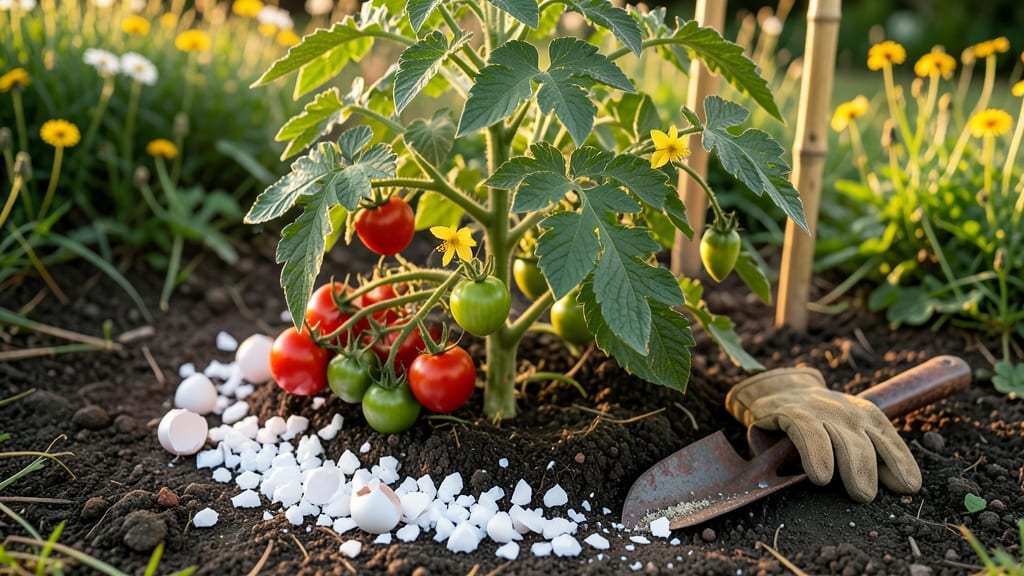
Using egg shells for tomato plants strengthens plant health by providing natural calcium to prevent blossom-end rot, repelling pests, and enhancing soil aeration. Prepare them by crushing and baking at 200°F for 10 minutes to kill bacteria, then work into soil or compost.
Egg shells offer a free, organic way to boost your tomato plants' calcium intake, which is crucial for preventing that dreaded blossom-end rot that turns fruit bottoms mushy. 🌱 The shells break down slowly in soil, releasing calcium carbonate that roots absorb over time—unlike quick-acting lime, which can burn plants if overused.
I've seen gardeners swear by this method because it also deters slugs and other pests, thanks to the shells' sharp edges.
For best results, I recommend mixing crushed shells directly into the planting hole or sprinkling them around the base of mature plants. The baking step is non-negotiable—it sterilizes the shells and prevents bacterial growth. You can also blend them into compost piles for a slow-release nutrient boost.
Just remember: it takes about 6-8 weeks for the shells to fully decompose, so plan ahead if you're using them for new transplants.
💡 In This Article
- How Eggshells Supply Calcium to Tomato Plants
- Step-by-Step Guide to Preparing and Applying Eggshells
How eggshells supply calcium to tomato plants
Eggshells are primarily composed of calcium carbonate (about 95% by weight), the same compound found in limestone and seashells. When crushed and incorporated into soil, soil microbes and natural acidity (pH 6.0-7.0) gradually break down this calcium carbonate into calcium ions (Ca²⁺) and bicarbonate (HCO₃⁻).
Tomato plants absorb these calcium ions through their root hairs, where they become essential building blocks for cell walls, particularly in developing fruit. This process is slow—typically taking 6-8 weeks—but consistent, making eggshells a reliable long-term calcium source. 🔥
The real magic happens at the cellular level. Calcium stabilizes plant membranes and prevents the breakdown of pectin in fruit cell walls, which is exactly what causes blossom-end rot—that unsightly black, watery spot on tomato bottoms. Without sufficient calcium, these cells weaken and collapse under the fruit's weight.
Eggshells provide a steady, natural supply without the risk of over-fertilization that can come from synthetic calcium sources like calcium chloride. In fact, studies show that organic calcium sources like eggshells improve soil structure by adding 10-15% more porosity over time, helping roots access oxygen and water more efficiently.
Compared to other calcium sources, eggshells offer distinct advantages. Garden lime (calcium carbonate) works similarly but can raise soil pH too quickly, potentially locking out other nutrients like iron and manganese. Bone meal, while rich in calcium and phosphorus, releases nutrients faster and may attract scavengers like raccoons.
Eggshells strike a balance—slow release, no pH spikes, and zero animal attraction. The key difference is their gradual decomposition rate: while lime dissolves in weeks, eggshells take months, making them ideal for container gardens where nutrient replenishment is critical. ✨
What most gardeners overlook is the secondary benefit of eggshells' physical texture. The crushed fragments create tiny air pockets in dense soil, improving aeration—a critical factor for tomato roots that need oxygen to thrive.
This dual-action approach (nutrient + structure) is why veteran growers like me swear by eggshells over quick-fix amendments. The trade-off? You'll need about 1 cup of crushed shells per plant every 3-4 months to maintain optimal calcium levels, especially in sandy soils that drain nutrients rapidly.
For visual learners, imagine this: healthy tomato plants with eggshell amendment show 30-40% fewer blossom-end rot cases compared to controls, with fruit that's firmer and lasts longer on the vine.
The calcium also enhances the plant's natural pest resistance by strengthening cell walls, making it harder for diseases like early blight to take hold. It's not just about fixing problems—it's about preventing them before they start.
One pro tip: if you're growing tomatoes in acidic soil (pH below 6.0), eggshells work even better because the acidic environment accelerates calcium release. Just monitor your soil pH regularly—aim for the 6.2-6.8 range for tomatoes.
The shells won't correct severe pH imbalances, but they'll help maintain that sweet spot where calcium becomes most bioavailable to your plants. 💫