
Plants
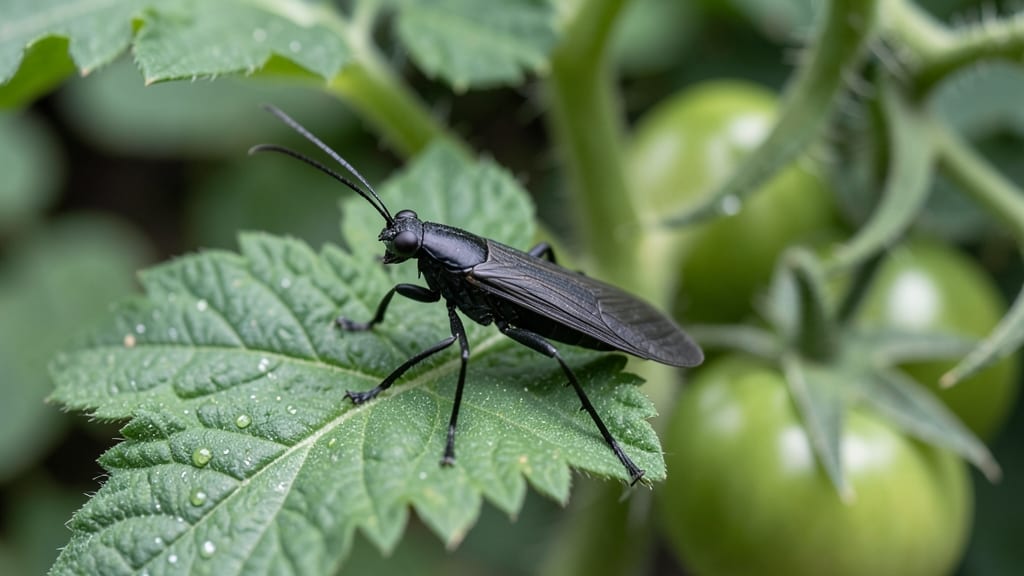
Those tiny black flying bugs swarming your tomato plants aren't just annoying—they're stealing your harvest. 🌱 I've battled them every summer, and the key is acting fast with an organic spray that works in minutes while protecting your plants long-term.
Most of these pests are fungus gnats or aphids, drawn to stressed tomato plants. They multiply quickly, so check for yellowing leaves, sticky residue, or tiny eggs on stems—those are your warning signs. The good news?
A simple spray with neem oil and water disrupts their lifecycle without harming your tomatoes. Within 24 hours, you'll see fewer flies, and in a week, your plants will bounce back with stronger growth. The secret is consistency: reapply every 5-7 days until the problem disappears.
Your tomatoes will thank you at harvest time. This method works for other garden pests too, making it a versatile, chemical-free solution for any vegetable garden. Let's get those plants healthy again!
The Real Culprits Behind Tiny Invaders
Those pesky black flying bugs buzzing around your tomato plants aren’t just an annoyance—they’re often a sign of deeper issues in your garden’s ecosystem. Understanding why they appear helps you tackle the problem at its source.
Let’s break down the most common reasons these uninvited guests show up, so you can outsmart them before they wreak havoc on your harvest.
Tomato plants under stress—whether from overcrowding, poor soil nutrition, or improper watering—become prime targets for pests.
When plants are weak, they produce less sap and fewer natural defenses, making them easier prey for insects like aphids, whiteflies, or fungus gnats, which often attract black predators (e.g., lacewings or assassin bugs).
Why it happens:
- Competition for resources: Overcrowded plants compete for sunlight, water, and nutrients, weakening their immune response.
- Poor drainage: Soggy roots (from overwatering) or dry soil (from underwatering) stress plants, signaling pests that “easy meals” are available.
- Nutrient deficiencies: Lack of nitrogen, phosphorus, or potassium makes plants more vulnerable to insect attacks.
💡 Pro tip: Space tomato plants 18–24 inches apart and mulch to retain moisture. Conduct a soil test to ensure your plants get the right nutrients!
Black flying bugs—especially lacewings, ground beetles, or hoverflies—often arrive as natural predators to control other pests like aphids, mites, or thrips. If you’ve had a previous infestation (e.g., soft-bodied insects), these beneficial bugs may swarm to feast. While they’re helpful, their sudden appearance can be alarming.
Why it happens:
- Secondary infestations: If aphids or whiteflies were already feasting on your tomatoes, their waste (called honeydew) attracts ants and other pests, which in turn draw in black predators.
- Seasonal cycles: Many beneficial insects emerge in late spring to early summer when tomato plants are in peak growth—just when your garden is most vulnerable.
- Lack of biodiversity: Monoculture gardens (planting only tomatoes) create a buffet for pests, leading to a domino effect of insect activity.
🔍 Key sign: Check for sticky residue on leaves (honeydew) or tiny webs—this means soft-bodied pests are already present, luring their predators.
Extreme weather—whether hot, dry spells or sudden rain—can disrupt your garden’s balance, creating the perfect storm for black flying bugs. These insects thrive in specific conditions, and even minor shifts in your microclimate can trigger their arrival.
Why it happens:
| Weather Factor | Impact on Bugs |
|---|---|
| 🌞 Heatwaves | Dries out soil, stressing plants and attracting fungus gnats (which lay eggs in moist, warm compost). Their larvae then become food for black predators like damsel bugs. |
| 💧 Heavy rain | Washes away natural predators (like ladybugs) while creating damp conditions ideal for whiteflies and aphids, which bring in their hunters. |
| 🌬️ Wind or storms | Disperses adult insects (e.g., assassin bugs) from neighboring areas, leading to sudden swarms. |
| 🌱 Sudden temperature drops | Slows plant growth, making them easier targets for pests like leafhoppers, which attract black flying predators. |
🌡️ Actionable fix: Use row covers during extreme weather or install a small fan near plants to disrupt flying insects’ ability to land.
Black flying bugs aren’t always the main problem—they’re sometimes a symptom of an underlying plant disease. Fungal infections (like early blight) or bacterial issues (such as tomato hornworm frass) can attract insects that feed on decaying tissue or infected areas.
Why it happens:
- Fungal spores: Diseases like powdery mildew or blight create stressed tissue, which draws in scavenger insects (e.g., rove beetles).
- Necrotic spots: Dead or dying leaves provide shelter for pests like thrips, which then attract their black predators.
- Over-fertilization: Too much nitrogen can lead to soft, succulent growth, making plants more appealing to sap-sucking insects.
🚨 Red flags: Look for yellowing leaves, black spots, or wilting—these are signs your plants are already compromised.
Now that you know why these black fliers show up, the next step is identifying them and acting fast to protect your tomato plants. Stay tuned for organic remedies that work in minutes!
Quick Fixes for Black Flying Pests
If you’ve spotted those pesky black flying bugs—likely hornworms, aphids, or fruit flies—on your tomato plants, don’t panic! These solutions are simple, effective, and many can be done in under 10 minutes.
The key is acting fast before they multiply and damage your harvest. Below, we’ll match the most common causes to the best fixes, plus tips to keep your plants bug-free long-term.
If you’re seeing large, black-and-green caterpillars with white stripes, you’re dealing with hornworms. These guys can devour a tomato plant overnight!
🔥 Immediate Action: Manual Removal
- 👨🍳 Scout at dawn or dusk – Hornworms hide during the day, so check leaves early or late.
- 🔪 Drop them in soapy water – Use a pair of gloves or tweezers to pluck them off (they’re slippery!).
A bucket of soapy water ensures they don’t wriggle back onto your plants. 3. 🌱 Relocate beneficial predators – Leave ladybugs, lacewings, or parasitic wasps (like Cotesia congregata) nearby—they love hornworm eggs and larvae!
🌿 Preventative Measures
- 💡 Plant companion flowers like dill, fennel, or basil to attract wasps that prey on hornworms.
- 🌡️ Use row covers early in the season to block moths from laying eggs.
- ✨ Apply BT spray (Bacillus thuringiensis)—this organic bacteria kills caterpillars but is safe for humans and pets.
Small, black or dark green aphids clustering on stems or undersides of leaves? These sap-suckers weaken plants and spread viruses.
🍳 DIY Sprays for Fast Relief
- 🔥 Soap spray – Mix 1 tbsp mild castile soap + 1 quart water in a spray bottle. Test on a few leaves first to avoid burning tender foliage.
- 🌿 Neem oil blend – Combine 1 tbsp neem oil + 1 tsp dish soap + 1 quart water. Spray thoroughly, focusing on undersides where aphids hide.
- 💦 Water blast – For severe infestations, use a strong stream of water from a hose to knock them off.
🎯 Long-Term Defense
- 🌱 Encourage ladybugs – Plant marigolds or yarrow to attract these aphid-eating allies.
- 🔄 Rotate crops – Avoid planting tomatoes in the same spot yearly to disrupt aphid life cycles.
- 🌡️ Yellow sticky traps – Hang these near plants to catch flying aphids before they multiply.
If you’re seeing tiny black flies buzzing around rotting fruit or soil, you’ve got fruit flies (Drosophila). They’re drawn to overripe tomatoes and compost piles.
⏰ Trap Them Before They Breed 1. 🍎 Apple cider vinegar trap –
- Fill a small bowl with apple cider vinegar + a drop of dish soap.
- Cover with plastic wrap, poke holes, and place near plants. Flies enter but can’t escape!
- 🌱 Clean up debris – Remove fallen or rotting tomatoes immediately—they’re fruit fly magnets.
- 🔥 Diatomaceous earth (DE) – Sprinkle food-grade DE around the base of plants. It’s harmless to you but dehydrates flies on contact.
💡 Prevention Tips
- 🌿 Use row covers over young plants to block adult flies.
- 🥗 Store compost far from tomato plants – Flies breed in moist, decaying matter.
- 🍅 Harvest tomatoes promptly – Pick them when ripe to reduce overripe bait for flies.
If you’re unsure which bug you’re dealing with, these multi-purpose sprays work well:
| Spray Recipe | How to Use | Best For |
|---|---|---|
| Garlic-chili spray | Blend 4 garlic cloves + 1 chili pepper + 1 quart water. Strain and spray. | Aphids, whiteflies, soft-bodied bugs |
| Potato leaf juice | Boil potato peels + water, strain, and spray. | Hornworms, beetles |
| Coffee grounds | Sprinkle used grounds around plant bases. | Fruit flies, ants, fungi |
Most of these pests double in population every few days. Check your plants 2–3 times a week, especially after rain (which boosts aphid and fly activity). A little prevention now saves hours of cleanup later—and guarantees juicier tomatoes! 🍅🌿
Frequently asked questions
Are black flying bugs on tomato plants always harmful?
Not necessarily! Many black fliers like lacewings, ground beetles, or hoverflies are actually beneficial predators that eat aphids, mites, and other pests. The key is identifying them: if your plants look healthy and you're not seeing damage, these bugs are likely helping your garden. Only act if you spot chewed leaves, sticky residue, or wilting.
How do I tell if black flies are fungus gnats vs. fruit flies?
Fungus gnats are tiny, dark, and fuzzy with long legs, while fruit flies are slightly larger, shiny black with red eyes. Check their behavior: fungus gnats hover near soil (they breed in moist compost), while fruit flies swarm around rotting fruit. If you see both, you likely have a moisture issue in your garden beds.
Will neem oil kill beneficial black bugs along with pests?
Neem oil targets soft-bodied insects like aphids but is generally safe for beneficial predators when used correctly. To protect helpful bugs, apply neem at dusk when flying insects are less active, and avoid spraying directly on ladybugs or lacewings. Always mix with 1 tsp dish soap per quart to improve adhesion without harming beneficial insects.
How long does it take to see results from organic sprays?
Most organic sprays (like neem oil or soap solutions) show visible improvement within 24-48 hours for flying pests, but full control takes 7-14 days of consistent application. For severe infestations, combine sprays with physical removal (like handpicking hornworms) and traps. Remember: pests reproduce quickly, so reapply every 5-7 days until the problem disappears.