
Companion Plants
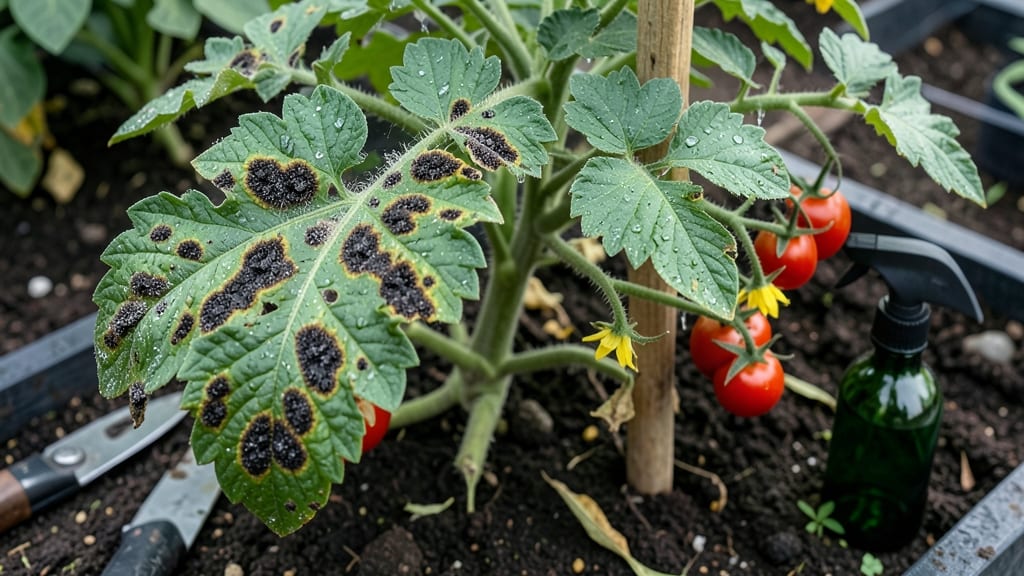
Black spots on tomato leaves mean your harvest is fighting for its life. 🌱 I’ve seen good plants turn into sad, spotted shadows when this happens—and the worst part? It’s often preventable.
The first step is figuring out which fungus (or stressor) is attacking your plants, because early blight, late blight, and Septoria leaf spot all look different up close.
Most black spots start as tiny dots that expand into concentric rings or greasy patches, often with yellow halos. Early blight hits lower leaves first, while late blight spreads faster and can ruin a plant in weeks.
Bacterial spots? They’re usually smaller, water-soaked, and appear after rain. The key is catching it early—before the spots merge and the plant gives up.
Here’s the good news: healthy plants fight back. Prune infected leaves immediately, space plants for airflow, and water at the base (never overhead).
A mix of copper spray and baking soda (yes, really) can stop the spread, and resistant varieties like ‘Mountain Merit’ or ‘Defiant PhR’ won’t roll over so easily.
If your tomatoes are already half-spotted, don’t panic—you can still salvage them. Focus on the new growth, adjust your care, and next season, you’ll spot trouble before it spots your plants. The goal? Healthy leaves, happy harvests.
Root Causes Behind Leaf Spots
Black spots on tomato leaves aren’t just a cosmetic issue—they’re a cry for help from your plants. Understanding the why behind these unsightly marks is the first step to saving your harvest. Below, we break down the most common culprits, their science-backed triggers, and how they hijack your tomato’s health.
Fungi are the #1 cause of black spots on tomato leaves, thriving in warm, damp conditions. Here’s how they strike:
- Early Blight (Alternaria solani)
- Why it’s aggressive: The fungus produces toxins that clog stomata (leaf pores), starving cells of oxygen and nutrients. Result: Crispy, dead patches that spread upward.
- Trigger red flags: Overhead watering, dense foliage (poor airflow), or planting tomatoes in the same spot year after year.
Not all black spots are fungal—sometimes, your tomato’s environment is the villain.
- Sunscald or Heat Stress
- Why it’s tricky: Tomatoes acclimate to light slowly. Sudden heat waves (above 90°F) overwhelm their protective wax coating.
- Trigger red flags: Young plants, sudden temperature swings, or reflective surfaces (like white mulch) nearby.
- Underwatering: Leaves curl, edges brown, and spots form as cells plasmolyze (shrink from lack of water).
- Overwatering: Roots suffocate, leading to oxygen deprivation and black, mushy spots (often on lower leaves).
Tiny creatures and human error can also create spot-like damage.
- Aphids, Spider Mites, or Whiteflies
- Why it’s a domino effect: Weakened leaves become prime real estate for fungi like early blight.
Often overlooked, bacteria like Xanthomonas or Pseudomonas cause:
- Greasy, water-soaked spots that turn black and ooze when wet.
- Why it’s stubborn: Bacteria thrive in warm, wet conditions and spread via contaminated tools, rain splash, or infected seeds.
- Pro tip: 💡 Test by pressing a spot with a cotton swab—if it smears yellow or white, bacteria may be the culprit. Treat with copper-based sprays (but avoid when blooms are present).
Quick Fixes for Tomato Leaf Spots
Black spots on your tomato leaves don’t have to mean the end of your harvest—with the right approach, you can restore your plants to full health and even prevent future outbreaks.
Below are practical, step-by-step solutions tailored to the most common causes of leaf spots, from fungal infections to environmental stressors. Follow these fixes to revive your plants and keep them thriving for a bountiful tomato season.
Fungal infections like early blight, late blight, and septoria leaf spot are the #1 culprits behind black or dark brown spots on tomato leaves. Act fast to prevent the disease from spreading to fruit or neighboring plants.
🔥 Prune Infected Leaves Immediately
- Why? Removing infected foliage stops spores from spreading.
- How?
- Use sterilized pruning shears (wipe with rubbing alcohol between cuts).
- Snip off only the affected leaves—don’t over-prune, as healthy leaves help the plant recover.
- Dispose of clippings in the trash (not compost) to prevent reinfection.
🍳 Apply Fungicidal Sprays (Organic or Chemical)
- Copper-based sprays (like copper sulfate) or baking soda mix (1 tsp baking soda + 1 quart water + a drop of dish soap) work well for early stages.
- Neem oil (1 tbsp per quart of water + surfactant) disrupts fungal growth and is safe for organic gardens.
- For severe cases, use fungicides containing chlorothalonil or mancozeb (follow label instructions).
👨🍳 Improve Air Circulation
- Why? Fungal spores thrive in damp, stagnant air.
- How?
- Space plants 18–24 inches apart (if starting fresh).
- Stake or cage tomato plants to keep leaves off the ground.
- Remove lower leaves touching the soil to reduce moisture buildup.
⏰ Water Wisely (The Key to Prevention)
- Water in the morning (not at night) so leaves dry quickly.
- Avoid overhead watering—use drip irrigation or soaker hoses to keep foliage dry.
- Mulch around the base (with straw or grass clippings) to prevent soil splashing onto leaves.
If the spots are due to sun scorch, nutrient deficiency, or pests, the fix is simpler—just tweak your growing conditions.
☀️ Shield from Sunburn (If Spots Are on Upper Leaves)
- Move plants to a spot with partial shade (especially in hot afternoons).
- Use shade cloth (30–50% coverage) if growing in intense sunlight.
- Avoid transplant shock—harden off seedlings gradually before planting.
💪 Boost Nutrients (If Spots Are Yellow with Brown Edges)
- Test your soil (a simple DIY kit works) to check for nitrogen, potassium, or magnesium deficiencies.
- Fix with:
- Epsom salt (1 tbsp per gallon of water, sprayed on leaves) for magnesium.
- Banana peel tea (steep peels in water for a week) for potassium.
- Compost or balanced fertilizer (10-10-10) to restore overall health.
🎯 Pest Control (If Spots Are from Chewing Insects)
- Handpick larger pests (like tomato hornworms) and drop them in soapy water.
- Introduce beneficial insects (ladybugs, lacewings) to eat aphids or mites.
- Spray with insecticidal soap (1 tsp per quart of water) for mild infestations.
Once your tomatoes are healthy, lock in their success with these proactive tips:
- 💡 Rotate crops—never plant tomatoes (or nightshades like peppers/eggplants) in the same spot two years in a row.
- 🌡️ Choose resistant varieties—look for tomatoes labeled "resistant to early blight" or "late blight."
- 🔥 Solarize your soil (cover with clear plastic for 4–6 weeks in hot sun) to kill fungal spores before planting.
- 🎯 Monitor weather forecasts—if rain is predicted, pre-treat plants with fungicide as a precaution.
Remember: The sooner you act, the easier it is to save your tomato plants. Black spots don’t mean game over—they just mean it’s time to adjust, treat, and protect.
With these fixes, your tomatoes will bounce back stronger, and you’ll be on your way to a juicy, spot-free harvest! 🍅🌿
Frequently asked questions about tomato leaf spots
Why do black spots appear on tomato leaves in dry weather?
Dry weather alone rarely causes black spots—it’s usually a sign of heat stress or sunscald when temperatures spike above 90°F. The intense sun damages leaf edges, creating crispy, brown patches. If your spots appear on upper leaves during heatwaves, provide afternoon shade or use shade cloth (30-50% coverage) to protect plants.
Can I still harvest tomatoes if the leaves have black spots?
Yes, but focus on removing infected leaves first to prevent fruit infection. If spots are from early blight (lower leaves), the fruit is usually safe. Late blight (greasy, dark spots) can infect tomatoes—pick and eat ripe ones immediately, then destroy the plant. Always wash harvested tomatoes before eating.
How often should I spray fungicide if my tomatoes already have spots?
Start with a copper spray or neem oil every 7-10 days for prevention, but if spots are spreading, apply every 5 days until new growth appears healthy. Mix 1 tablespoon of neem oil with 1 quart of water + a drop of dish soap for best results. Always spray in the early morning so leaves dry quickly.
Will black spots on tomato leaves spread to my other garden plants?
Fungal spots like early blight or septoria won’t jump to unrelated plants (e.g., peppers or lettuce), but they can spread to other tomato plants or nightshades (like eggplants). Isolate infected plants immediately, sterilize tools with rubbing alcohol, and avoid overhead watering to prevent spore splash. Remove all plant debris from the garden.
Can I use coffee grounds to treat black spots on tomato leaves?
Coffee grounds can help prevent fungal growth when used as mulch (they lower soil pH slightly), but they won’t cure existing spots. For treatment, mix 1 tablespoon of coffee grounds with 1 quart of water, strain, and spray on leaves—but combine it with copper spray for better results. Fresh grounds can also attract pests, so use sparingly.