
Pests
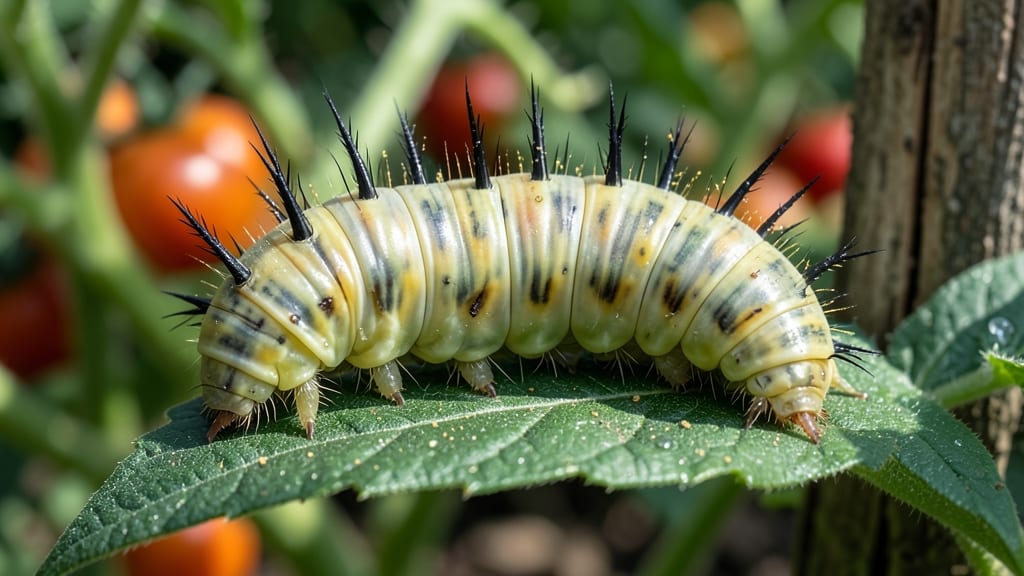
Those stripy green biggest worm monsters can devour your tomato plants overnight—honestly, I’ve watched entire vines get skeletonized in a single evening. 🌱 The tomato hornworm isn’t just a pest; it’s a voracious, fast-growing caterpillar that turns lush foliage into Swiss cheese in days.
What starts as a tiny egg hatches into a caterpillar that grows to 4 inches long, leaving behind chewed leaves and missing fruit. The life cycle is brutal: eggs hatch in 7-10 days, caterpillars feast for 2-3 weeks, then pupate into moths that lay the next generation.
The good news? You can fight back without chemicals. Handpicking works—just drop them in soapy water—but the real game-changer is neem oil or parasitic wasps, which naturally control populations without harming your plants. Prevention is key: healthy soil keeps plants strong, and basil companion planting deters hornworms.
Check undersides of leaves daily—early detection means fewer losses. By mid-summer, you’ll have a tomato harvest instead of a caterpillar buffet. This method works for all tomato varieties, from heirlooms to cherry tomatoes. Let’s keep those worms in check!
Root Causes Of Giant Tomato Worms
Those huge, striped caterpillars munching through your tomato plants aren’t just a random bad luck scenario—they’re the result of specific conditions that turn your garden into their all-you-can-eat buffet.
Understanding why these pests explode in population helps you stop them before they strip your plants bare. Let’s break down the science behind their rapid growth and relentless appetite.
Giant tomato worms (larvae of the Manduca sexta, or tobacco hornworm) have a knack for finding the ripest, juiciest tomatoes—and once they do, they’ll devour the entire fruit in hours.
But here’s the catch: they’re not just drawn to ripe tomatoes; they’re also magnets to stressed or injured plants.
- Why it happens: When tomato plants experience physical damage (from hail, wind, or even rough handling), they release volatile organic compounds (VOCs) that act like a dinner bell to hornworms. These chemicals signal "easy prey" to hungry larvae.
- Overripe fruit = protein & sugar bonanza: Ripe tomatoes are packed with soluble sugars and amino acids, which are like fast food for growing caterpillars. A single worm can consume up to 80% of a tomato’s weight in one feeding session!
- Actionable insight: Harvest tomatoes as soon as they ripen (even if not perfectly red) and remove any bruised or damaged fruit immediately. This disrupts their scent trail and reduces their food motivation.
Hornworms thrive in warm, humid environments—the same conditions that make tomatoes grow like crazy. Unfortunately, your garden’s perfect tomato weather is also their personal paradise.
| Factor | Why It Helps Worms | How to Adjust |
|---|---|---|
| Temperature (75–85°F) | Warmth speeds up their metabolism and growth rate. Eggs hatch faster, and larvae mature in just 2–3 weeks. | Use row covers or shade cloth in peak heat (100°F+) to disrupt their lifecycle. |
| Humidity (60%+) | High moisture keeps their skin soft and eggs from drying out. Damp leaves also help them camouflage. | Improve airflow around plants with pruning and drip irrigation (avoid overhead watering). |
| Lush Foliage | Thick leaves provide hiding spots and microclimates that protect them from predators (like birds and parasitic wasps). | Prune plants to open up canopies and remove lower leaves where eggs are often laid. |
Pro Tip: 🌡️ If your area has unusually hot summers, you’re more likely to see larger, more aggressive worms—they grow faster in heat!
In a balanced ecosystem, hornworms face a gauntlet of predators—but modern gardening often tips the scales in their favor. When these natural controls disappear, worm populations skyrocket.
- Common predators (and why they’re missing):
- Parasitic wasps (like Cotesia congregata): Lay eggs inside hornworms, killing them from within. Pesticides wipe them out.
- Birds (robins, sparrows): Snatch up worms on sight. Tall plants or dense foliage hide them.
- Lacewings & ladybugs: Eat hornworm eggs. Overuse of broad-spectrum sprays reduces their numbers.
- Spiders: Webs trap young larvae. Chemical sprays kill spider populations.
- Actionable fix: Encourage beneficial insects by:
- Planting companion plants like dill, fennel, or marigolds (attracts parasitic wasps).
- Avoiding neonicotinoids and pyrethroids (they’re deadly to predators).
- Installing birdhouses or baths to attract feathered helpers.
Fun Fact: 🐝 A single parasitic wasp can kill dozens of hornworms in its lifetime—making them your secret weapon against giant caterpillars!
By addressing these three root causes—food availability, ideal growing conditions, and predator loss—you can dramatically reduce your chances of hosting a Manduca sexta buffet. The key? Act before the worms do.
How to Fix Tomato Worm Infestations
If your tomato plants are under siege by the biggest tomato worms—those striped, voracious caterpillars—don’t panic! With the right approach, you can reclaim your garden and protect your harvest. Below are practical, step-by-step solutions tailored to the root causes of the problem, from organic fixes to preventive measures.
Cause: Worms are already feasting on your plants. Fix: Act fast to minimize damage.
- 👨🍳 Spot and Squish
- Inspect leaves, stems, and fruit daily (especially in the morning).
- Look for green or brown striped caterpillars (hornworms) or small white eggs on the undersides of leaves.
- Drop them into soapy water (1 tbsp dish soap per gallon) to kill them instantly.
- 🍳 Handpick Like a Pro
- Wear gloves and pluck worms off plants, then drown them in soapy water or crush them (if you’re brave!).
- Check every leaf—even small worms grow fast!
- 🥘 Use the "Diatomaceous Earth" Trick
- Sprinkle food-grade diatomaceous earth (DE) around the base of plants and on leaves.
- The microscopic particles dehydrate worms without harming plants.
- Reapply after rain or watering.
Cause: Worms keep returning because their eggs hatch continuously. Fix: Disrupt their life cycle with natural sprays.
- 💡 Bacillus Thuringiensis (Bt) – The Safe Killer
- Bt is a natural bacteria that targets caterpillars but is harmless to humans, pets, and beneficial insects.
- Mix 1 tsp Bt powder per quart of water and spray evenly on leaves (focus on undersides).
- Reapply every 5–7 days or after rain.
- 🌡️ Neem Oil Spray – Double Duty
- Neem oil repels eggs, disrupts growth, and kills young worms.
- Mix 1 tbsp neem oil + 1 tsp mild soap per gallon of water, then spray at dusk (avoids harming bees).
- Repeat every 7–10 days.
- 🎯 Beer Trap for Adult Moths
- Worms come from tomato hornworm moths. Set up a beer trap:
- Fill a shallow dish with beer and bury it near plants.
- Moths are attracted to the scent and drown—fewer moths = fewer eggs.
- Worms come from tomato hornworm moths. Set up a beer trap:
Cause: Your garden is a worm buffet—they keep coming back. Fix: Break the cycle with smart prevention.
| Prevention Tip | How to Do It | Why It Works |
|---|---|---|
| 🌿 Plant Companion Crops | Interplant basil, marigolds, or dill—they repel hornworm moths. | Confuses pests with mixed scents. |
| ⏰ Prune Regularly | Remove damaged leaves and fruit daily to eliminate hiding spots. | Stops worms from settling in. |
| 🌙 Use Row Covers Early | Cover young plants with floating row covers before moths arrive. | Blocks moths from laying eggs. |
| 🌱 Rotate Crops | Avoid planting tomatoes in the same spot yearly. | Disrupts worm life cycles. |
| 🕷️ Encourage Predators | Attract ladybugs, lacewings, and parasitic wasps (they eat hornworm eggs!). | Natural pest control army! |
If your garden is overrun and organic methods aren’t enough:
- 🔪 Chemical Last Resort: Use permethrin-based sprays (like Sevin) only as a last option—follow label instructions exactly.
- 🚜 Professional Help: For large-scale infestations, consult a local pest control expert who specializes in organic gardening solutions.
💡 Pro Tip: The key to winning against tomato worms is consistency. Check plants daily, act at the first sign of trouble, and combine methods (Bt + handpicking + row covers) for the best defense.
With these strategies, your tomato plants will thrive—and those striped invaders won’t stand a chance! 🍅🚫🐛
Frequently asked questions
What do those giant tomato worms look like?
These striped caterpillars are green with white diagonal stripes and can grow up to 4 inches long. They often have a small horn-like projection at their rear end. Look for them hiding on the undersides of leaves or chewing on fruit during early morning hours.
Are these worms harmful to humans or pets?
No, they’re completely harmless to humans and pets! While they may look intimidating, tomato hornworms can’t bite or sting. The only concern is their appetite—they’ll destroy your tomato plants if left unchecked.
How fast can these worms grow?
These caterpillars grow incredibly fast—from egg to full-sized worm in just 2-3 weeks during warm weather. Eggs hatch in 7-10 days, and they can double in size every few days if they have plenty of food.
What’s the best time of day to check for them?
Early morning is ideal! Worms are most active at dawn when they’re actively feeding. Check the undersides of leaves and fruit stems—this is where they hide during hotter parts of the day.
Can I use vinegar to kill tomato worms?
Not effectively. Vinegar won’t kill established worms, but you can use it as a preventive spray (1:1 vinegar-water mix) to deter adult moths from laying eggs. For existing worms, soapy water or neem oil works much better.