
Vegetables
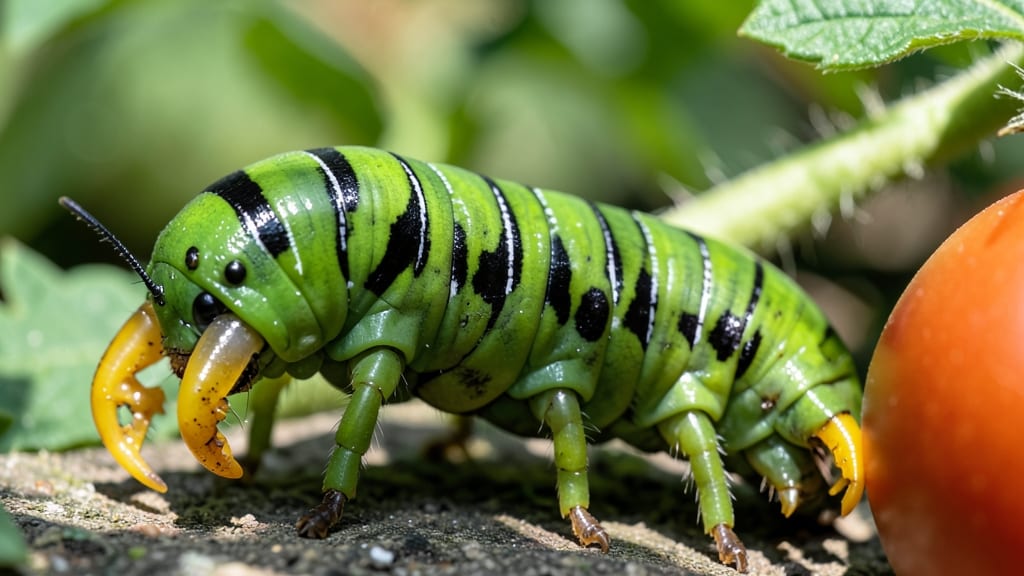
Spotting tomato hornworm pictures of a 5-inch green monster on your tomato plants? 🌱 Those are tomato hornworms—and they’ll strip your plants bare if you don’t act fast. I’ve seen them devour entire tomato leaves overnight, leaving behind just the stems.
The good news? Identifying them is easy once you know what to look for, and controlling them is even simpler with the right organic methods.
These striped caterpillars blend into foliage like chameleons, but their distinct white diagonal lines and horn-like tail give them away. They’re the larvae of the sphinx moth, and while they’re harmless to humans, they’re tomato plant nightmares.
The damage starts small—tiny holes in leaves—but escalates quickly if left unchecked. I’ve learned the hard way that early action is key.
You’ll want to act fast, but don’t reach for chemicals. Instead, try manual removal (drop them in soapy water) or beneficial nematodes for a natural solution. Even a handful of parasitic wasps (like Cotesia glomerata) can keep their population in check.
The goal is to protect your plants without harming the garden ecosystem.
Once you spot the first signs, you’ll see the difference in just a few days. Your tomato plants will bounce back with healthier foliage and better fruit production—no more mysterious leaf damage or stunted growth. Let’s get those pests under control before they ruin your harvest.
Natural Attractants Drawing Them In
The tomato hornworm isn’t just a random visitor—it’s a highly targeted garden predator, drawn by specific cues that make your plants look like an all-you-can-eat buffet.
Understanding these triggers helps you disrupt their cycle before they devour your tomatoes. Here’s why they show up in your garden and how to outsmart them.
The tomato hornworm (Manduca sexta) is a specialist feeder, meaning it’s hardwired to seek out plants in the nightshade family (Solanaceae). Tomatoes, peppers, eggplants, and potatoes release volatile organic compounds (VOCs) when damaged—like a distress signal—that hornworms detect from up to 10 feet away.
These chemicals, such as green leaf volatiles (GLVs), act like a dinner bell.
Actionable tip: If you’ve noticed hornworms munching on your tomatoes, they’re likely drawn by:
- 🍅 Ripe or overripe fruit (they prefer soft, sugary flesh)
- 🌱 Young, tender leaves (high in water content and easy to digest)
- 🌿 Damaged foliage (releases more VOCs, attracting more pests)
Pro tip: 💡 Remove fallen or overripe tomatoes promptly—they’re a magnet for egg-laying moths. Prune heavily damaged leaves to reduce the chemical signal.
Tomato hornworms start as eggs laid by adult moths, which are highly sensitive to temperature and humidity. Moths prefer to lay eggs in areas with:
- 🌡️ Warm nights (70–85°F) – Ideal for larval development
- 💧 High humidity (60%+) – Keeps eggs from drying out
- 🌿 Sheltered spots – Under leaves, near stems, or in dense foliage
If your garden fits this profile, expect a hornworm infestation. Southern and coastal regions are hotspots because they provide the perfect climate year-round.
Actionable tip: Monitor your garden’s microclimate:
- Use shade cloth to reduce daytime heat stress (which can also deter moths).
- Improve airflow with pruning to lower humidity in plant canopies.
- Consider row covers early in the season to block moths before they lay eggs.
Tomato hornworms don’t appear all at once. Their lifecycle is synchronized with your tomato plant’s growth:
- 🥚 Eggs (laid in late spring/early summer) hatch in 3–5 days.
- 🐛 Larvae go through 5 instar stages (growth phases), molting every 7–10 days.
- 🦋 Adult moths emerge in 2–3 weeks, then seek new hosts.
This means if you see one hornworm, dozens more could be on the way. Their rapid growth rate means they can strip a plant in just 2 weeks.
Actionable tip: Stay ahead with:
- ⏰ Weekly scouting (check undersides of leaves at dawn).
- 🔍 Look for frass (black droppings)—a sure sign of feeding.
- 🌱 Interplant with basil or marigolds to disrupt their lifecycle.
Adult tomato hornworm moths are attracted to artificial lights, especially white or yellow bulbs. If you have outdoor lighting near your garden, you’re unintentionally luring them in. Once they’re close, they’ll seek out the nearest nightshade plant to lay eggs.
Actionable tip: Reduce moth traffic by:
- 💡 Switching to red or amber LED bulbs (less attractive to moths).
- 🌙 Using motion-activated lights that turn off after a few minutes.
- 🌿 Planting traps like dill or fennel farther from your tomatoes to divert moths.
Natural Ways To Control Hornworms
Dealing with tomato hornworms doesn’t require harsh chemicals—just a few smart, organic strategies. Below, we map common causes to practical fixes, plus prevention tips to keep your garden thriving.
---
Cause: Large infestations overwhelm plants before you notice. Fix: - 👨🍳 Inspect daily – Check leaves, stems, and fruit for hornworms (especially in the morning or evening when they’re sluggish). - 🔪 Handpick or squish – Drop them into soapy water (they’re harmless to handle but deadly to your plants). - 🌙 Use a flashlight at night – Hornworms are easier to spot when they’re feeding under lights.
Pro Tip: 💡 Wear gloves—some gardeners find their skin irritating!
---
Cause: Lack of natural enemies lets hornworm populations explode. Fix: - 🐞 Attract parasitic wasps – These tiny allies lay eggs inside hornworms, killing them naturally. Plant dill, fennel, or parsley to lure them. - 🦋 Invite ladybugs & lacewings – They eat hornworm eggs. Avoid pesticides to keep them around. - 🐸 Provide frog/habitat – A small pond or shallow water dish can attract amphibians that snack on hornworms.
Pro Tip: 🌡️ Avoid neonicotinoids—they harm beneficial insects more than pests!
---
Cause: Hornworms strip plants before you can act. Fix: - 🍳 Bacillus thuringiensis (Bt) – A bacteria-based spray that targets caterpillars but is safe for humans and pets. Reapply after rain. - 🌿 Spicy pepper spray – Mix 1 tsp cayenne + 1 tbsp dish soap + 1 quart water. Spray directly on hornworms (reapply every 3–4 days). - 🥛 Milk spray – 1 part milk to 9 parts water disrupts their feeding. Best for young hornworms.
Pro Tip: ✨ Test sprays on a small leaf first—some plants (like peppers) may react!
---
Cause: Hornworms return yearly if conditions are ideal. Fix: - 🌿 Rotate crops – Avoid planting tomatoes, peppers, or eggplants in the same spot annually. - 🌱 Use row covers – Lightweight fabric keeps adults from laying eggs (remove when flowers appear to allow pollination). - 🍂 Clean up debris – Remove old plant matter in fall to eliminate overwintering eggs. - 🌱 Interplant with basil – Hornworms dislike basil’s scent; plant it near tomatoes.
Pro Tip: 🎯 Early action is key! A few hornworms can turn into a full-blown crisis fast—check plants weekly.
--- Remember: A mix of manual removal, predator support, and organic sprays keeps hornworms in check without harming your garden’s ecosystem. Happy growing! 🌱🍅
Frequently asked questions
What do tomato hornworm pictures look like up close?
Tomato hornworms are bright green with white diagonal stripes and a distinctive horn-like projection on their rear end. They can grow up to 4 inches long, blending perfectly into tomato foliage. Their body is smooth and slightly translucent, revealing internal organs when held up to light.
Are tomato hornworms harmful to humans or pets?
No, they’re completely harmless to humans and pets! While their bristly hairs can cause mild skin irritation in some people, they’re not poisonous. The real danger is what they do to your tomato plants—not their contact with people or animals.
How can I tell if my tomato plant has hornworms without seeing them?
Look for these clues: large irregular holes in leaves, black droppings (frass) on foliage, and stripped stems with only veins remaining. Check the undersides of leaves at dawn—they’re most active then and harder to spot during the day.
Will tomato hornworms eat other plants besides tomatoes?
Yes! They’ll happily munch on peppers, eggplants, potatoes, and tobacco plants—anything in the nightshade family. While they prefer tomatoes, they’re not picky if other options are available. This is why early detection is crucial for all your solanaceous crops.
What's the fastest way to get rid of tomato hornworms?
The fastest method is manual removal: Pick them off by hand and drop them into soapy water. For immediate results, combine this with Bacillus thuringiensis (Bt) spray—it kills them within hours. Remember, the key is acting fast before they multiply!