
Vegetables
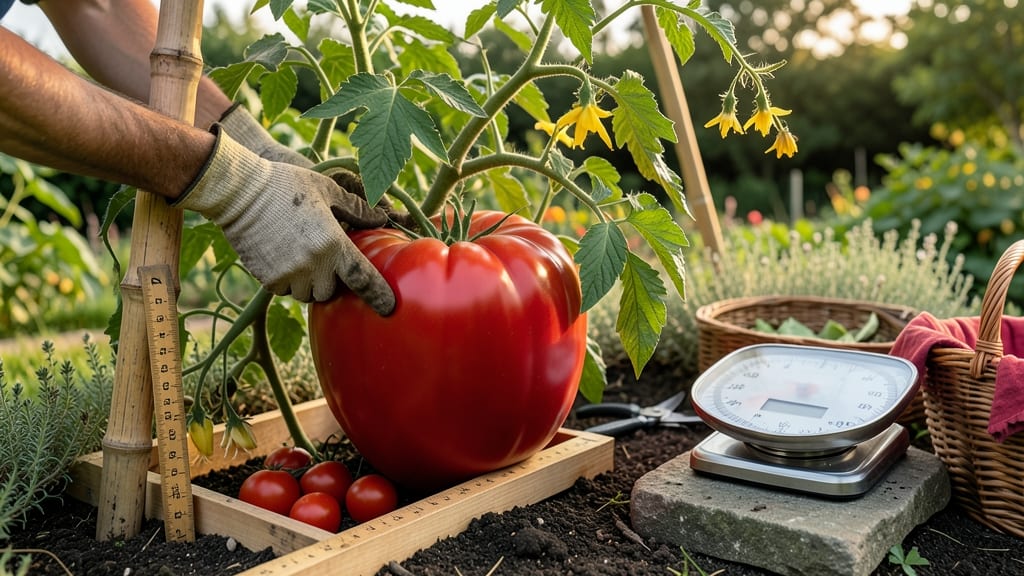
The biggest tomato in the world is the 'Giant Georgia Peach,' an heirloom variety that can reach over 10 pounds through careful pollination, full sun exposure, and nutrient-rich growing conditions. Other massive varieties like 'Beefsteak' and 'Brandywine' produce large fruits but rarely match this record.
The 'Giant Georgia Peach' isn't just big—it's a gardening marvel. 🌱 This variety thrives on precise growing conditions, including consistent moisture and soil packed with compost. What's fascinating is how growers control pollination to produce single, massive fruits instead of clusters.
While 'Beefsteak' tomatoes can weigh up to 2 pounds, this record-holder shatters expectations by growing 5-10 times larger through specialized techniques.
For home gardeners, replicating these results requires patience and attention to detail. The key factors include selecting disease-resistant seedlings, using trellises for support, and maintaining balanced soil nutrients throughout the growing season. Even with these precautions, achieving tomato sizes this extreme takes years of experimentation and ideal growing conditions.
💡 In This Article
- How Giant Tomatoes Achieve Record-Breaking Sizes
- Growing Monster Tomatoes: Step-by-Step Gardening Guide
How giant tomatoes achieve record-breaking sizes
The 'Giant Georgia Peach' isn't just big—it's a genetic powerhouse. This heirloom variety traces its lineage to massive European tomatoes bred for size, but its record-breaking potential comes from a specific genetic trait called determinate growth.
Unlike indeterminate varieties that produce clusters of smaller fruits, this tomato focuses its energy into developing a single, massive fruit by limiting flower clusters to just one or two per stem. 🌱 The result?
A single tomato that can weigh 10 pounds or more, compared to the average grocery store tomato at 4-6 ounces.
Pollination control is the secret sauce behind these giants. Gardeners carefully remove all but one or two flowers per cluster, allowing the plant to direct all its resources into developing that single fruit.
This technique, called succession planting, also involves hand-pollinating the remaining flowers with a small brush to ensure fertilization. The plant's natural hormones then shift from producing multiple fruits to maximizing the size of the remaining ones.
Temperature plays a crucial role too—ideal growing conditions require 75-85°F daytime temperatures and consistent 18-24 inches of water per week during fruiting.
Soil composition is equally critical. These giants thrive in loose, well-draining soil with a pH between 6.0 and 6.8, enriched with compost and aged manure to provide slow-release nutrients. The roots need space to expand, which is why gardeners often use 5-gallon containers or deep planting beds.
Unlike smaller varieties that can tolerate poorer soil, giant tomatoes demand consistent fertility—think of them as the athletes of the tomato world that need premium training conditions to reach their potential. 💪
Climate factors create another layer of complexity. These tomatoes require full sun exposure (8+ hours daily) and protection from strong winds that can damage the delicate vines. Many record growers use row covers or greenhouses to extend the growing season and control environmental stressors.
The combination of these factors—genetic focus, pollination precision, nutrient density, and climate control—creates the perfect storm for producing tomatoes that dwarf their supermarket counterparts. Even the 'Beefsteak' variety, known for its large 1-2 pound fruits, pales in comparison to this Georgia giant.
What's fascinating is how these tomatoes change as they grow. Early stages show a deep green, glossy skin that gradually develops a red blush as they mature. The flesh becomes increasingly dense and meaty, with fewer seeds and more pulp compared to standard tomatoes.
The texture is firm yet tender, almost like a cross between a beefsteak and a watermelon in terms of density. 🍅 This structural transformation is a direct result of the plant's energy being channeled into cell expansion rather than seed or fruitlet development.
For those curious about the science, it's all about cell turgor pressure—the water pressure within plant cells that makes fruits firm. Giant tomatoes maintain higher turgor pressure through consistent watering and nutrient supply, allowing their cells to expand to unprecedented sizes.
This process is similar to how watermelons grow massive but remains distinct because tomatoes have a different cellular structure optimized for flavor concentration rather than sheer volume.