
Plants
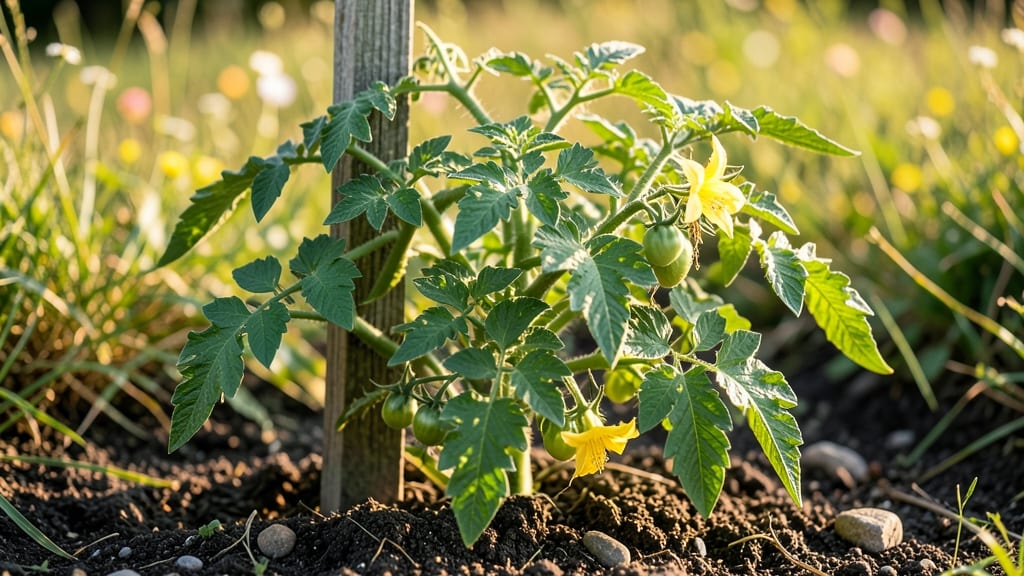
Tomato plants are self-pollinating, meaning their flowers can fertilize themselves, but they often depend on wind, bees, or gentle movement to transfer pollen between blossoms for better fruit production—especially in controlled environments like greenhouses. Manual pollination can help when natural methods fall short.
While tomato plants can self-pollinate, their natural process relies heavily on external factors like wind or pollinators to move pollen effectively. 🌬️ Many gardeners notice fewer fruits when growing tomatoes indoors or in greenhouses, where these natural helpers are limited.
The key is understanding that even self-pollinating plants benefit from assistance—especially when you're growing high-yield varieties that need consistent pollination for heavy fruit loads.
This is why hand-pollination becomes so valuable in controlled settings. A simple cotton swab or gentle shaking can mimic nature's methods, ensuring pollen reaches receptive flowers. The process is straightforward but makes a noticeable difference in fruit set, particularly for greenhouse growers or those with limited outdoor space.
💡 In This Article
- How Tomato Pollination Works Naturally
- When and How to Hand-Pollinate Tomato Flowers
How tomato pollination works naturally
Tomato flowers have a built-in self-pollination system where pollen from the anther (male part) naturally transfers to the stigma (female part) within the same blossom.
This process occurs as the flower opens in the morning, typically between 8:00 AM and 10:00 AM, when humidity is lower and the flower's petals are fully unfurled.
The flower's curved shape actually helps guide pollen from the anther to the stigma, but complete self-pollination relies on tiny vibrations from wind or insects.
The real magic happens when external forces come into play. Bees and other pollinators carry pollen between flowers, increasing genetic diversity and often resulting in larger, more robust fruits.
In open fields, wind currents can move pollen up to 3 feet between plants, while bees can transfer it across entire garden sections. This cross-pollination boosts fruit set by 20-40% compared to purely self-pollinated flowers. The key difference is that natural cross-pollination creates more vigorous seedlings for next year's harvest.
Varieties like indeterminate tomatoes (such as 'Sungold' or 'Brandywine') produce continuous flowers throughout the growing season, creating heavy fruit loads that often overwhelm natural pollination methods. These plants develop 10-15 flowers per cluster, and each flower needs successful pollination to develop fruit.
Without adequate pollen transfer, you'll notice flowers dropping off within 3-5 days—a clear sign that pollination failed. This is why greenhouse growers often see lower yields unless they intervene.
Temperature plays a crucial role too. Ideal pollination occurs between 65-85°F. Below 55°F, pollen becomes less viable, and above 90°F, flowers may drop before pollination occurs. The flower's lifespan is typically 48-72 hours, giving nature a narrow window to work.
This biological clock explains why early morning hand-pollination works best—it mimics nature's optimal timing window.
Here's what's happening at the cellular level: Once pollen lands on the receptive stigma, it germinates within 15-30 minutes, forming a pollen tube that grows down the style to fertilize the ovules.
This process takes about 24 hours to complete. The resulting fertilized ovules then develop into the tomato's seeds and surrounding fruit tissue. Without proper pollination, these ovules remain undeveloped, causing flowers to abort.
For gardeners, understanding this process reveals why some tomato varieties consistently outperform others. Heirloom varieties often have larger, more accessible flowers that make hand-pollination easier, while hybrid varieties may be bred for specific pollination efficiencies.
The takeaway? Nature provides the tools, but sometimes we need to give them a helping hand—especially when growing in less-than-ideal conditions.