
Companion Plants
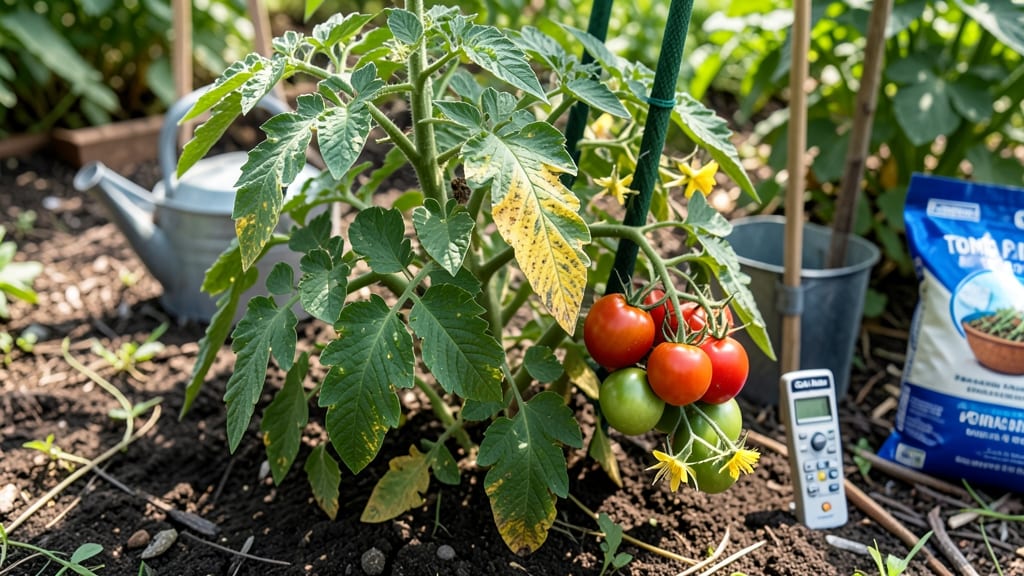
Your tomato plant turning yellow isn't a death sentence—it's a cry for help, and we've cracked the code on what it means. 🌱 The first step is identifying whether those yellow leaves are telling you about nutrient issues, watering problems, or something sneaking around unseen.
I've seen this happen to even the most experienced gardeners, and the good news is that most fixes take less than an hour.
Yellowing often starts at the bottom leaves first, and that's your first clue. If they're pale and soft, it's usually overwatering or poor drainage; if they're crispy and brown at the edges, underwatering might be the culprit.
But here's the thing—sometimes it's not water at all. Nutrient deficiencies like nitrogen or magnesium show up with very specific yellow patterns, and pests or diseases can create entirely different visual cues.
You'll feel a huge sense of relief once you pinpoint the exact cause, because the fixes are straightforward: adjust your watering schedule, add the right fertilizer, or treat for pests with simple sprays.
My garden journal now has a whole section dedicated to tomato leaf diagnostics, and it's saved me from losing plants more times than I can count.
What's most reassuring is that tomato plants are resilient. With the right care, they bounce back faster than you'd expect. We're talking full recovery in just a few weeks, and you'll be back to harvesting those juicy red tomatoes before you know it. Let's get those leaves turning green again.
Root Causes Behind Yellowing Tomato Leaves
Yellowing tomato leaves aren’t just a sign your plant is unhappy—they’re a direct message from your garden about what’s really going wrong. 🌱💡 Let’s break down the top 5 science-backed reasons your tomato plant is turning yellow, so you can diagnose and fix the problem fast.
Why it happens: Tomatoes hate soggy feet. When soil stays too wet for too long, roots suffocate from a lack of oxygen, a condition called root rot (often caused by Phytophthora fungi or Pythium). Without oxygen, roots can’t absorb water or nutrients efficiently, leading to yellowing leaves—especially the older, lower ones—while new growth may appear stunted or wilted.
The science:
- Healthy tomato roots need well-aerated soil (60% solids, 40% pore space).
- Overwatering triggers anaerobic conditions, where harmful microbes outcompete beneficial ones.
- Yellowing often starts at the leaf margins (edges) before spreading inward.
Quick fix: ✅ Test your soil: Stick your finger 2 inches into the soil—if it’s damp, wait to water. ✅ Improve drainage: Amend heavy clay soil with compost or perlite (20-30% mix). ✅ Water deeply but less often: Aim for 1-1.5 inches per week (adjust for rain).
Why it happens: Yellowing between leaf veins (a condition called chlorosis) is a classic sign of nitrogen deficiency. Nitrogen is the building block of chlorophyll—the green pigment that helps leaves capture sunlight. Without enough, leaves lose their vibrancy, often starting with the older leaves (since the plant prioritizes new growth).
The science:
- Tomatoes need balanced NPK (10-10-10 or 5-10-10 fertilizer) for optimal growth.
- Nitrogen is highly mobile in plants, so deficiency shows up in mature leaves first.
- pH imbalances (soil too alkaline, >7.0) can lock out nitrogen, even if it’s in the soil.
Quick fix: 💡 Feed your plant: Use a balanced fertilizer (like 10-10-10) every 2-3 weeks during growing season. 💡 Add compost or worm castings (5-10 lbs per 100 sq ft) for slow-release nitrogen. 💡 Check pH: Aim for 6.0-6.8—test with a soil kit or send a sample to your local extension office.
Why it happens: Yellowing paired with spots, wilting, or slimy stems could mean a pathogen party is crashing your tomato’s metabolism. Common culprits:
- Early Blight (Alternaria solani): Brown/yellow spots with concentric rings on lower leaves.
- Septoria Leaf Spot (Septoria lycopersici): Tiny dark spots with feathery edges.
- Bacterial Spot (Xanthomonas perforans): Water-soaked yellow spots that turn crusty.
The science:
- Fungi thrive in humid, stagnant air (think: crowded plants, overhead watering).
- Bacteria spread via contaminated tools, wind, or splashing water.
- These pathogens clog stomata (leaf pores), blocking nutrient uptake and causing yellowing.
Quick fix: 🔥 Prune infected leaves immediately (sterilize shears with rubbing alcohol). 🔥 Improve airflow: Space plants 18-24 inches apart and stake for support. 🔥 Prevent future outbreaks:
- Water at the base (avoid overhead sprinklers).
- Apply copper fungicide (for bacterial spot) or neem oil (for fungal spots).
- Rotate crops yearly—never plant tomatoes in the same spot two years in a row.
Why it happens: Tiny pests like aphids, spider mites, and whiteflies drain chlorophyll-rich sap from leaves, causing yellow stippling (tiny yellow dots) or bronzing (a coppery tint). Heavy infestations weaken the plant, leading to premature leaf drop and stunted fruit.
The science:
- Aphids inject toxins that disrupt photosynthesis.
- Spider mites thrive in dry, hot conditions and create fine webbing on undersides of leaves.
- Whiteflies excrete honeydew, a sticky residue that attracts sooty mold (a black fungus).
Quick fix: 🕷️ Blast pests off with a strong spray of water (early morning). 🕷️ Introduce beneficial insects:
- Ladybugs (eat aphids).
- Predatory mites (control spider mites).
🕷️ Use insecticidal soap (1 tsp mild soap + 1 quart water) for severe infestations.
Why it happens: Tomatoes are tropical plants—they thrive in 70-85°F but freak out outside that range. Extreme heat (above 90°F) causes sunscald (yellow/brown patches) and nutrient burn, while cold snaps (below 50°F) slow metabolism, leading to chlorosis (yellowing from poor chlorophyll production).
The science:
- Heat stress increases transpiration rates, causing water loss and nutrient deficiencies.
- Cold stress disrupts enzyme activity, halting growth and turning leaves yellow.
- Windburn (dry, desiccating winds) can also scorch leaves, mimicking yellowing.
Quick fix: 🌡️ Shade cloth (30-50% coverage) for heat protection during summer peaks. 🌡️ Row covers or cloches for frost-sensitive varieties (like heirlooms). 🌡️ Mulch heavily (3-4 inches of straw or grass clippings) to regulate soil temp.
Pro Tip: 🔍 Spot the pattern!
- Bottom leaves yellow? → Likely overwatering or nutrient deficiency.
- Yellow spots with rings? → Fungal infection.
- Stippled or bronzed? → Pests.
- Whole plant wilting + yellow? → Root rot or heat stress.
How to Fix Your Yellowing Tomato Leaves
Now that you’ve identified the root cause of your tomato plant’s yellowing leaves, it’s time to take action! Whether it’s nutrient deficiencies, pests, disease, or environmental stress, each issue has a practical solution.
Below, we’ve broken down step-by-step fixes for the top causes, along with prevention tips to keep your plants thriving.
Signs: Yellowing leaves (especially lower ones), mushy stems, wilting despite wet soil.
How to Fix It: 🔥 Step 1: Stop Watering Immediately
- Let the soil dry out completely before watering again. Stick your finger 1-2 inches deep—if it’s damp, wait.
🍳 Step 2: Improve Drainage
- If your pot lacks drainage holes, repot your tomato into a container with holes or add a layer of gravel/perlite at the bottom.
- For garden beds, amend the soil with compost or sand to improve aeration.
👨🍳 Step 3: Check Root Health
- Gently remove the plant and inspect the roots. If they’re black, mushy, or smelly, trim the damaged parts with sterilized scissors and replant in fresh, dry soil.
🥘 Step 4: Adjust Watering Habits
- Water deeply but less frequently—aim for 1-1.5 inches per week (adjust for climate).
- Water at the base (not leaves) in the morning to reduce fungal risks.
💡 Prevention Tips:
- Use self-watering pots or drip irrigation for consistency.
- Choose well-draining soil mixes (avoid heavy clay).
- Mulch around the base to retain moisture without over-saturating roots.
Signs: Yellowing between leaf veins (chlorosis), stunted growth, weak stems.
How to Fix It: 📊 Step 1: Test Your Soil
- Grab a DIY soil test kit or send a sample to your local extension office. Tomatoes thrive in pH 6.0–6.8.
💪 Step 2: Add the Right Fertilizer
- Nitrogen (N) deficiency? Use a balanced fertilizer (10-10-10) or compost tea.
- Magnesium (Mg) deficiency? Sprinkle Epsom salt (1 tbsp per gallon of water) every 2 weeks.
- Iron (Fe) deficiency? Apply chelated iron or use liquid fish emulsion.
🥗 Step 3: Feed Regularly (But Not Too Much!)
- Every 2–3 weeks, use a tomato-specific fertilizer (high in potassium and phosphorus).
- Avoid over-fertilizing—this can burn roots. Always water before applying fertilizer.
🎯 Prevention Tips:
- Mulch with compost to slowly release nutrients.
- Rotate crops—don’t plant tomatoes in the same spot yearly.
- Use organic matter like worm castings or banana peels (for potassium).
Signs: Yellowing with holes, spots, or webbing; wilting; sticky residue (aphids).
How to Fix It: 🔪 Step 1: Identify the Culprit
- Aphids/Spider Mites? Look for tiny bugs or webs on undersides of leaves.
- Fungal Disease (Early Blight)? Check for brown spots with yellow halos.
- Root-Knot Nematodes? Pull a plant—swollen, gnarled roots mean trouble.
⏰ Step 2: Treat Immediately - Pests: - Neem oil spray (mix 1 tbsp neem oil + 1 tsp mild soap + 1 quart water).
Spray every 5–7 days. - Introduce beneficial insects (ladybugs, lacewings) or blast leaves with water to dislodge pests. - Fungal Diseases: - Remove infected leaves and sterilize pruners with rubbing alcohol. - Apply copper fungicide or baking soda spray (1 tbsp baking soda + 1 quart water + a drop of soap). - Nematodes: - Solarize soil (cover with clear plastic for 4–6 weeks in hot sun) or plant marigolds (natural nematicide).
💡 Prevention Tips:
- Rotate crops—don’t plant tomatoes in the same spot for 3+ years.
- Space plants properly (18–24 inches apart) for better airflow.
- Water at the base (not overhead) to prevent fungal spores from splashing.
- Use row covers early in the season to block pests.
Signs: Yellowing only on one side (sunburn) or all leaves (heat/cold shock).
How to Fix It: 🌡️ Step 1: Shield from Extreme Conditions
- Too much sun? Provide partial shade (use a light shade cloth if temps exceed 90°F).
- Too cold? Move potted tomatoes to a sheltered spot or use row covers for frost protection.
✨ Step 2: Optimize Growing Conditions
- Tomatoes love warmth—ideal temps are 70–85°F. If nights dip below 55°F, cover plants.
- Wind damage? Use stakes or cages to support plants and protect from gusts.
💡 Prevention Tips:
- Plant in late spring (after last frost) for steady warmth.
- Use black plastic mulch to warm soil and repel pests.
- Monitor weather forecasts and prepare shade/cloths in advance.
No matter the issue, these pro tips will help your plant bounce back:
- Prune regularly to improve airflow and redirect energy to fruit.
- Harvest ripe tomatoes promptly to encourage more production.
- Rotate crops yearly to prevent soil depletion.
- Inspect plants weekly for early signs of stress.
Remember: Yellow leaves aren’t always a death sentence—often, it’s just your plant’s way of saying, “Hey, I need a little help!” With the right care, your tomato plant will bounce back stronger and reward you with juicy, homegrown tomatoes in no time. 🍅🌟
Frequently asked questions
Why are my tomato plant's lower leaves turning yellow first?
Older leaves yellow first because your tomato plant prioritizes energy to new growth. This is normal aging, but if it spreads quickly or leaves appear mushy, check for overwatering or root rot. Healthy plants may lose 1-2 bottom leaves naturally as they mature.
Can I still save my tomato plant if half the leaves are yellow?
Yes! Act fast by identifying the cause (water, nutrients, pests) and applying fixes. Remove severely damaged leaves to redirect energy to healthy growth. Most plants recover within 2-3 weeks if you address the root issue. Early intervention is key!
What's the difference between yellow leaves from overwatering vs. underwatering?
Overwatered leaves appear soft, mushy, and yellow all over (often with wilting stems), while underwatered leaves look crispy at the edges with yellow-brown patches. Check soil moisture: damp = overwatering; dry = thirsty plant.
Will yellow leaves affect my tomato harvest?
Mild yellowing from natural aging won't hurt production, but severe cases (pests, disease, nutrient issues) can reduce yield by 30-50%. Focus on fixing the problem - healthy plants redirect energy to fruit production. Prune damaged leaves to improve airflow and fruit quality.
How often should I fertilize tomato plants to prevent yellowing?
Feed every 2-3 weeks during growing season with a balanced fertilizer (10-10-10). Too much nitrogen causes rapid leaf growth at fruit's expense, while too little leads to chlorosis. Test soil first - tomatoes prefer pH 6.0-6.8.