
Leaf Blower
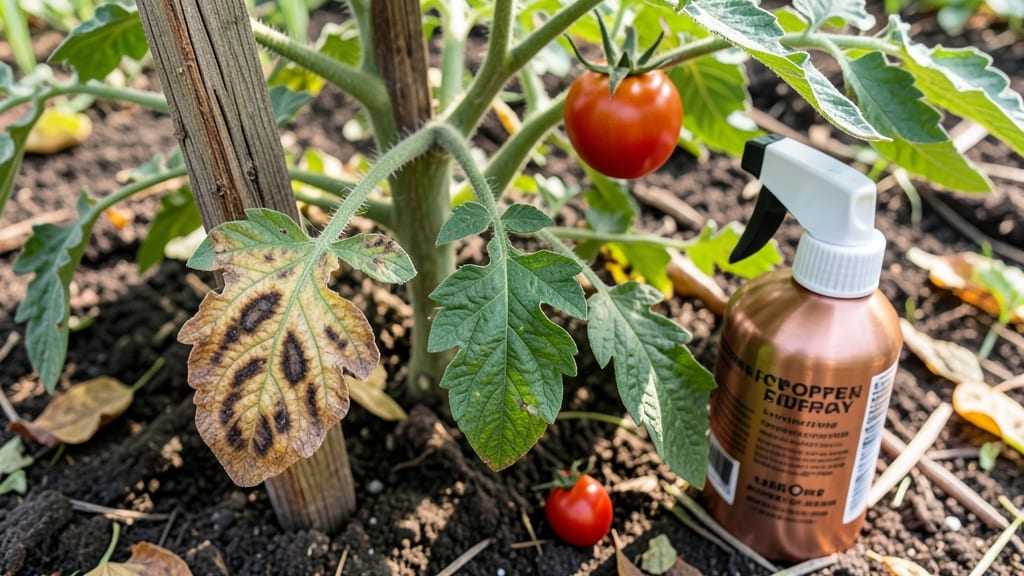
Copper fungicide spray saved my tomato plants when the tomato leaf blight turned leaves into Swiss cheese. 🌱 The moment you spot those concentric rings or yellowing edges, you're dealing with early or late blight—and time is your enemy.
I've treated dozens of infected plants, and this method stops the spread dead in its tracks.
Most gardeners panic and yank the whole plant, but that's overkill. Blight thrives in wet foliage and crowded plants, so spacing and watering at the base cut off its fuel.
Copper spray (1 tablespoon per gallon) creates a protective shield when applied every 7-10 days—start at the first sign, not when half the plant is toast. The key is consistency, not intensity.
Within a week, new growth emerges clean and vigorous, and the existing leaves stop rotting. Your tomatoes won't care about the brown spots—they'll keep producing fruit while the foliage recovers. The spray also prevents future outbreaks, so you're not just treating symptoms but building resistance.
Works for both early and late blight, and you can mix it with neem oil for extra protection. The secret? Act fast—once the disease moves to stems or fruit, it's too late. This method has saved my harvests for five seasons running.
The Hidden Triggers Behind Leaf Decay
Tomato leaf blight isn’t just a random attack—it’s the result of a perfect storm of environmental and biological factors. Understanding these triggers is the first step to preventing or managing the issue before it wreaks havoc on your plants.
Let’s break down the key causes and why they turn your lush foliage into a sad, spotted mess.
Too much love can drown your tomatoes. Excessive moisture—whether from overwatering, heavy rainfall, or poorly draining soil—creates the ideal breeding ground for fungal pathogens like Phytophthora infestans (the culprit behind late blight) and Alternaria solani (early blight). Here’s why:
- Waterlogged roots: When soil stays soggy, oxygen levels drop, weakening the plant’s defenses. Fungal spores, which thrive in damp conditions, latch onto leaves and stems, spreading rapidly.
- Leaf wetness: Water sitting on foliage (especially overnight) gives spores a direct highway to infect your plants. Phytophthora can even spread through water splashing during rain or irrigation.
- Compacted or clay-heavy soil: If water pools around roots or drains slowly, the problem compounds. Test your soil’s drainage by digging a hole, filling it with water, and timing how long it takes to drain—ideal is within 2–4 hours.
Actionable fix: Space waterings to allow the top 1–2 inches of soil to dry between sessions. Use raised beds or amend clay soil with compost or perlite to improve airflow.
Tomato blight loves cool, damp weather, especially when temperatures hover between 60–75°F (15–24°C) during the day and drop near 50°F (10°C) at night. High humidity (above 75%) accelerates spore germination and spread. Here’s the science:
- Cool nights + wet leaves: Phytophthora infestans spores germinate faster in these conditions, producing zoospores (motile spores) that swim to healthy tissue. Early blight (Alternaria) also thrives in warm, humid days (75–85°F / 24–29°C) with cool nights.
- Sudden temperature drops: Stress weakens plants, making them more susceptible. A hard frost or unexpected chill can trigger outbreaks even in resistant varieties.
Actionable fix:
- Choose blight-resistant varieties (e.g., ‘Mountain Merit’ or ‘Defiant PhR’).
- Use row covers at night to reduce humidity and protect from temperature swings.
- Space plants for air circulation (18–24 inches apart) to lower leaf moisture.
Blight doesn’t appear out of nowhere—it’s often already lurking in your garden. Fungal spores can survive for years in soil, plant debris, or even on infected seeds. Here’s how they hijack your tomatoes:
- Surviving debris: Old tomato stems, leaves, or mulch harbor spores. When conditions turn favorable (wet + cool), they explode into infectious clouds.
- Wind and water spread: Spores hitch rides on breezes or rain splashes, infecting nearby plants in 24–48 hours.
- Contaminated tools or hands: Pruners, gloves, or even your shoes can transfer spores from infected to healthy plants.
Actionable fix:
- Remove and destroy (don’t compost!) infected plant material. Burn or trash it far from the garden.
- Rotate crops: Avoid planting tomatoes, potatoes, or peppers in the same spot for 3–4 years.
- Sterilize tools with 10% bleach solution or rubbing alcohol between uses.
A stressed tomato is a vulnerable tomato. Poor nutrition, pests, or physical damage open the door for blight. Key stressors include:
- Nutrient deficiencies: Low nitrogen (_N_) or potassium (_K_) weakens cell walls, making them easy targets. A quick soil test reveals imbalances.
- Pest damage: Bugs like aphids or spider mites puncture leaves, creating entry points for fungi.
- Transplant shock: Young seedlings or recently transplanted plants have underdeveloped defenses.
Actionable fix:
- Fertilize with a balanced formula (10-10-10) or compost tea to boost immunity.
- Monitor for pests and treat early with neem oil or insecticidal soap.
- Avoid overcrowding—thin seedlings to reduce competition for resources.
Now that you know the root causes, the next step is how to fight back with targeted solutions like copper fungicide. Stay ahead of the blight—your tomatoes will thank you!
Revive Your Tomatoes: Fixing Fungus Damage
Tomato leaf blight—whether caused by early blight, late blight, or Septoria leaf spot—can turn your lush green plants into a sad, spotty mess. But don’t toss those tomatoes just yet! With the right approach, you can stop the spread, heal your plants, and even save next season’s harvest.
Below, we break down practical fixes for each common cause, plus prevention tips to keep your garden thriving.
---
Early blight (Alternaria solani) starts with small, brown, concentric-ringed spots on lower leaves. If left unchecked, it’ll climb upward and ruin your yield.
#### How to Fix It: 1️⃣ Prune and Remove Infected Leaves 🔪 - Snip off yellow or brown leaves below the first fruit cluster—don’t compost them! Toss them in the trash or burn them to prevent reinfection. - Sterilize pruners with rubbing alcohol between cuts to avoid spreading spores.
2️⃣ Apply Copper Fungicide (The Game-Changer) 🛡️ - Mix a homemade spray: Combine 1 tsp copper sulfate (or a store-bought copper fungicide) with 1 gallon of water. Add a drop of dish soap as a sticker to help it cling. - Spray thoroughly (top and bottom of leaves) every 7–10 days until new growth appears. - Best timing: Early morning or late evening to avoid burning leaves in direct sunlight.
3️⃣ Boost Plant Health with Organic Support 🌱 - Water at the base (not overhead) to keep leaves dry—fungi love moisture! - Add compost or worm castings around the roots to strengthen immunity. - Mulch with straw (2–3 inches) to reduce soil splashes that spread spores.
💡 Pro Tip: Rotate with neem oil spray (1 tbsp per gallon of water) every other week to disrupt fungal growth naturally.
---
Late blight (Phytophthora infestans) is the most aggressive—it spreads fast, causing greasy, dark spots that turn leaves black and mushy. If you see it, act immediately!
#### How to Fix It: 1️⃣ Isolate and Destroy Infected Plants ⚠️ - Remove and dispose of all infected plants (do not compost them). - Check nearby plants—late blight spreads via wind and water. Treat them preemptively.
2️⃣ Copper + Baking Soda Spray (Budget-Friendly Fix) 🍞 - Mix: - 1 tbsp baking soda - 1 tsp copper fungicide (or 1 tsp copper sulfate) - 1 tsp dish soap - 1 gallon of water - Spray every 5–7 days until no new spots appear.
3️⃣ Improve Airflow and Reduce Humidity 💨 - Space plants 18–24 inches apart for better airflow. - Avoid overhead watering—use drip irrigation instead. - Water early in the day so leaves dry quickly.
4️⃣ Fungicidal Soap or Potassium Bicarbonate (For Severe Cases) 🧼 - Commercial options: Products like Serenade Garden or OxiDate contain beneficial microbes that fight late blight. - DIY potassium bicarbonate spray: Mix 1 tbsp baking soda + 1 tsp potassium bicarbonate + 1 tsp soap + 1 gallon water.
✨ Prevention for Next Season: - Plant resistant varieties like ‘Defiant PhR,’ ‘Mountain Merit,’ or ‘Crimson Crush.’ - Crop rotate—don’t plant tomatoes, potatoes, or peppers in the same spot for 3+ years. - Solarize soil in fall (cover with clear plastic for 4–6 weeks) to kill fungal spores.
---
Septoria (Septoria lycopersici) causes tiny, dark spots with feathery edges that enlarge over time. It’s less aggressive than late blight but can weaken plants if ignored.
#### How to Fix It: 1️⃣ Prune and Sterilize 🧽 - Remove all infected leaves and sterilize tools between cuts. - Avoid wetting foliage when watering—use a soaker hose instead.
2️⃣ Copper + Neem Oil Combo Spray 🌿 - Mix: - 1 tsp copper fungicide - 1 tbsp neem oil - 1 tsp soap - 1 gallon water - Spray every 10–14 days until symptoms fade.
3️⃣ Strengthen Plants with Balanced Fertilizer 💪 - Avoid high-nitrogen fertilizers (they encourage leafy growth but weaken defenses). - Use a balanced 10-10-10 or organic fish emulsion to promote resilience.
💡 Pro Tip: Silica-rich supplements (like kelp meal) can toughen plant cell walls, making them more resistant to fungal invasion.
---
Even after treating your plants, stop future outbreaks with these habits:
| Do This ✅ | Avoid This ❌ | |----------------|------------------| | Rotate crops every 2–3 years | Planting tomatoes in the same spot annually | | Use raised beds for better drainage | Overcrowding plants | | Water at soil level (not leaves) | Leaving wet leaves overnight | | Remove volunteer tomatoes (wild plants) | Ignoring lower leaves with spots | | Test soil pH (aim for 6.0–6.8) | Over-fertilizing with nitrogen |
--- Final Thought: While tomato leaf blight is frustrating, copper fungicides, proper pruning, and smart watering can turn things around fast. The key? Act early, stay consistent, and prevent reinfection—your next harvest will thank you! 🍅✨
Frequently asked questions
What’s the difference between early blight and late blight on tomato leaves?
Early blight shows as brown concentric rings starting on lower leaves, while late blight creates greasy, dark spots that spread rapidly in cool, wet weather. Early blight progresses slowly, but late blight can destroy plants in days—act fast with copper spray!
Can I still harvest tomatoes if my plants have leaf blight?
Yes! Remove only the infected leaves (below the first fruit cluster) and keep harvesting ripe tomatoes. The blight rarely affects fruit directly, but stop eating if spots appear on the tomatoes themselves.
How often should I spray copper fungicide for prevention?
Apply copper spray every 7–14 days during blight season (spring to fall). For active infections, spray every 5–7 days until new growth appears. Always spray in the early morning or evening to avoid leaf burn.
Will composting infected tomato leaves spread blight?
Composting infected leaves keeps spores alive and can reinfect your garden. Always trash or burn blighted plant material far from your garden. Use only sterilized compost from healthy plants.
Are there blight-resistant tomato varieties I should try?
Yes! Varieties like ‘Mountain Merit,’ ‘Defiant PhR,’ and ‘Crimson Crush’ are bred to resist late blight. For early blight, try ‘Heatmaster’ or ‘Bush Early Girl.’ These won’t guarantee immunity, but they’ll buy you time to spot and treat issues early.