
Vegetables
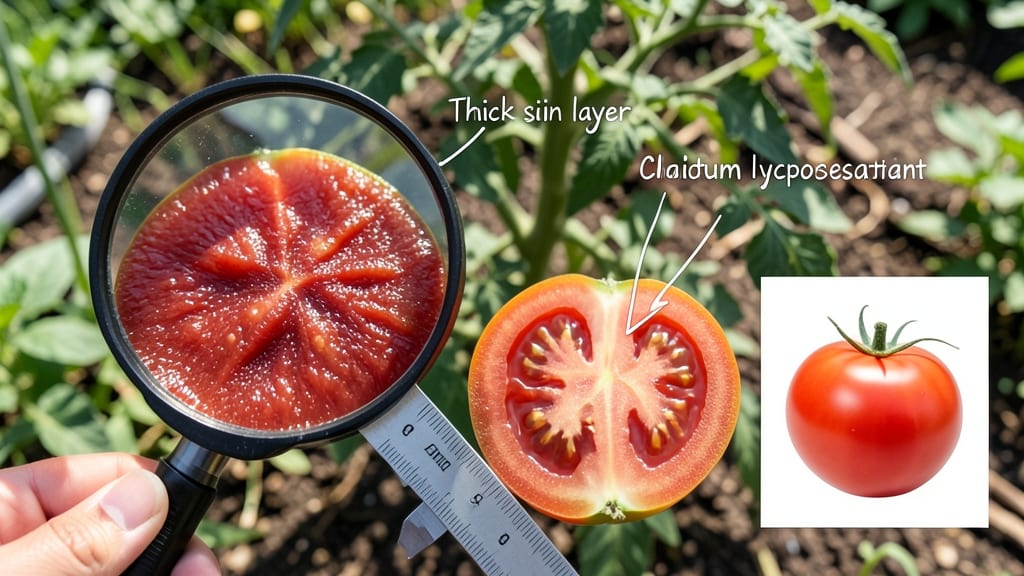
Tough tomato skins ruin even the juiciest fruit—here’s why it happens and how to fix it. 🌱 The problem usually starts with inconsistent watering or extreme heat stressing the plant, forcing it to toughen up its skin as a survival tactic.
Overripe fruit or certain varieties also contribute to that leathery texture we all dread. The good news? Simple adjustments make a huge difference. Keep soil consistently moist (not soggy) and mulch to regulate temperature swings. Shade cloth on scorching days prevents the plant from going into defensive mode.
Even a 10% increase in consistent moisture can transform your skins from tough to tender. You’ll notice the difference within 3-5 days of proper care—softer skins, richer flavor, and less waste at harvest.
The key is matching your growing conditions to what tomatoes actually need, not what works for other plants. Works for all tomato types, from beefsteaks to cherry varieties. Let’s get those skins back to perfect!
The Science Behind Tough Tomato Skins
If you’ve ever bitten into a tomato only to find its skin resisting your teeth like a stubborn rubber band, you’re not alone. The texture of tomato skins isn’t just a random quirk—it’s the result of complex biological and environmental factors.
Let’s break down the key reasons why tomato skins can feel tougher than expected, from genetics to growing conditions.
The toughness of tomato skins starts with the plant’s genetics. Tomatoes are part of the Solanum lycopersicum family, and their skin contains a tough, fibrous layer called the epidermis. This layer is packed with:
- Cellulose: A rigid, structural polysaccharide that forms the primary building block of plant cell walls. Think of it as the "rebar" in concrete—it provides strength and rigidity.
- Lignin: A complex polymer that adds extra stiffness to the cell walls, especially in mature tomatoes. Lignin is what makes wood hard, and it plays a similar role in tomato skins, making them less pliable.
- Cutin: A waxy, waterproof layer that coats the epidermis. While cutin protects the tomato from water loss and pathogens, it can also contribute to a firmer, less tender skin.
Some tomato varieties are bred specifically for durability during transport or storage, which can result in thicker, tougher skins. For example, heirloom tomatoes often have thinner, more delicate skins compared to commercial varieties like Beefsteak or Roma, which are prioritized for shelf life over tenderness.
Tomatoes don’t ripen uniformly, and their skin texture changes dramatically as they mature. Here’s what happens:
- Green Stage: The skin is tough and leathery because the cell walls are densely packed with pectins (natural polymers that provide structure) and minimal water content. This is why unripe tomatoes feel like they could double as a drum.
- Breaker Stage: As the tomato starts ripening, enzymes like polygalacturonase begin breaking down pectins, softening the flesh. However, the skin may still feel firm because the epidermis hasn’t fully softened yet.
- Red Stage: Fully ripe tomatoes should have a balance of soft flesh and a slightly yielding skin. But if the skin remains tough, it could mean:
| Cause | Why It Happens |
|---|---|
| Uneven Ripening | The tomato ripened too quickly or was harvested too early, leaving the skin underdeveloped. |
| High Heat Stress | Extreme temperatures during growth can trigger the plant to produce more lignin and cutin, hardening the skin. |
| Lack of Water | Drought stress causes the tomato to prioritize water retention, thickening the cutin layer and making the skin tougher. |
Tomatoes are sensitive to their environment, and certain growing conditions can directly impact skin toughness. Here’s how:
🔥 Extreme Heat or Cold
Tomatoes thrive in warm but not scorching conditions (ideal range: 70–85°F). When exposed to:
- Heatwaves: The plant shifts resources to protect itself, producing more cutin and lignin to prevent water loss. This results in a thicker, tougher skin.
- Cold Snaps: Temperatures below 50°F can stunt growth and cause uneven ripening, leaving the skin underdeveloped and leathery.
💧 Water Stress: Too Much or Too Little
Water plays a crucial role in tomato skin texture. Here’s how imbalance affects it:
- Underwatering: Causes the tomato to conserve water by thickening its skin, leading to a waxy, tough exterior.
- Overwatering: While it softens the flesh, it can also dilute nutrients, weakening the plant’s ability to produce strong cell walls. This sometimes results in skins that are too soft (and prone to cracking) or unevenly tough in spots.
🌿 Nutrient Deficiencies: Missing the Building Blocks
Tomatoes need a balanced diet of nutrients to develop properly. Deficiencies in:
- Calcium: Leads to blossom-end rot and weak cell walls, but can also cause irregular skin toughening in patches.
- Potassium: Essential for cell structure; a deficiency can result in thinner, weaker skins that may feel tough due to uneven development.
- Boron: Critical for cell wall formation; a lack of boron can cause the skin to become brittle and tough.
Even the perfect tomato can end up with tough skin if mishandled. Here’s how:
🍅 Premature Harvesting
Tomatoes are climacteric fruits, meaning they continue to ripen after being picked. Harvesting them too early (e.g., green or partially ripe) locks in their tough, underdeveloped skins. Always wait until the tomato is fully colored and slightly soft to the touch.
🧊 Improper Storage
Storing tomatoes in the fridge can accelerate skin toughening because cold temperatures halt ripening and cause cell walls to harden. Instead, store them at room temperature (55–70°F) until fully ripe, then refrigerate if needed.
🌡️ Temperature Fluctuations
Exposing tomatoes to drastic temperature changes (e.g., moving them from a hot car to a cold kitchen) can shock the skin, causing it to toughen or develop a waxy texture.
Fixing Tough Tomato Skins
Now that you know why tomato skins turn tough, let’s tackle the problem head-on! Whether it’s overripeness, improper storage, or genetic quirks, these solutions will help you restore that perfect, tender texture. Below, we’ve mapped practical fixes to common causes—plus prevention tips to keep your tomatoes delicious every time.
Fix: Pick the right stage for cooking.
- For underripe tomatoes (firm, greenish): Let them ripen fully at room temperature (🌡️ 70–75°F) for 3–5 days. Avoid refrigeration—it halts ripening!
- For overripe tomatoes (soft, mushy): Use them immediately in recipes like sauces or salsas, where texture isn’t critical. For slicing, choose slightly firm but red tomatoes.
Prevention Tip: 💡 Buy tomatoes that are mostly red with a hint of green at the stem—this means they’ll ripen perfectly on your counter.
Fix: Reset texture with these quick tricks.
- Cold shock method: Place whole tomatoes in ice water for 10–15 minutes to firm up skins. Pat dry before using.
- Saltwater soak: Soak sliced tomatoes in cold water with 1 tsp salt per quart for 10 minutes. Rinse well before serving.
- Baking trick (for sauces): Roast tough-skinned tomatoes at 400°F (200°C) for 20–30 minutes with olive oil, garlic, and herbs. The heat breaks down fibers, making skins tender.
Prevention Tip: 🥗 Store tomatoes at room temperature—never in the fridge until fully ripe. If you must refrigerate, bring them out 1–2 hours before using to soften slightly.
Fix: Adjust cooking techniques for heirloom or thick-skinned tomatoes.
- Peel first: Blanching (dipping in boiling water for 30 seconds, then ice bath) loosens skins. Peel before slicing or cooking.
- Slow cook: Simmer in sauces or stews for 30+ minutes to soften naturally. Acid (lemon juice or vinegar) can also help break down pectin.
- Blend into sauces: Puree tough-skinned tomatoes into marinara or gazpacho—texture won’t matter!
Prevention Tip: ✨ Choose hybrid varieties like ‘Celebrity’ or ‘Early Girl’ for thinner, easier-to-work-with skins if you hate peeling.
Fix: Rescue tough tomato skins mid-cooking.
- Add liquid: Stir in broth, wine, or water to dilute acidity and soften skins.
- Lower heat: Simmer gently (not boil) to prevent further toughening.
- Finish with cream: A splash of heavy cream or coconut milk at the end adds richness and masks toughness.
Pro Tip: 👨🍳 If your sauce is already ruined, blend in a ripe avocado or roasted garlic to improve flavor and texture.
Keep these habits in mind to avoid tough skins:
- Buy ripe but firm: Look for tomatoes with vibrant color and slight give at the stem.
- Store smart: Keep them stem-side down on the counter (not in the fridge).
- Use within 3–5 days: Tomatoes don’t last long—eat or cook them before they overripen.
- Rotate varieties: Mix heirlooms (for flavor) with hybrids (for texture) in your recipes.
Final Thought: Tough tomato skins don’t mean your dish is doomed—just adapt! Whether you’re reviving a sad salad or rescuing a burnt sauce, these fixes will turn your tomatoes from tough to tasty in no time. 🍅✨
Frequently asked questions
Why do heirloom tomatoes have tougher skins than store-bought ones?
Heirloom tomatoes prioritize flavor over durability, so their thinner skins lack the extra lignin and cutin found in commercial varieties bred for transport. The trade-off? More delicate skins but richer taste. Store-bought tomatoes often have thicker skins to survive shipping, while heirlooms ripen faster and softer.
Can I make tough tomato skins softer after they're already picked?
Yes! Try a 10-minute ice water bath for whole tomatoes to firm up skins, or soak sliced tomatoes in cold water with 1 tsp salt per quart for 10 minutes. For cooking, roast them at 400°F (200°C) for 20-30 minutes—the heat breaks down tough fibers.
Does refrigerating tomatoes cause tougher skins?
Cold temperatures halt ripening and trigger the tomato to produce more cutin, making skins tougher. Store unripe tomatoes at room temperature (55–70°F) until fully ripe, then refrigerate briefly if needed. Once refrigerated, bring them out 1–2 hours before using to soften slightly.
Why do my homegrown tomatoes have tough skins even when they're red?
This usually happens from heat stress (above 85°F) or uneven watering. Extreme heat forces tomatoes to produce extra lignin for protection, while drought causes skins to thicken. Use mulch to regulate soil temperature and water consistently—aim for 1–1.5 inches per week.
Can I fix tough tomato skins in a recipe?
Yes! Simmer tough-skinned tomatoes in sauces with acid (lemon juice or vinegar) to break down pectin, or add broth/wine to dilute acidity. For salads, a saltwater soak (1 tsp salt per quart for 10 mins) helps. As a last resort, blend them into soups or sauces where texture matters less.