
Vegetables
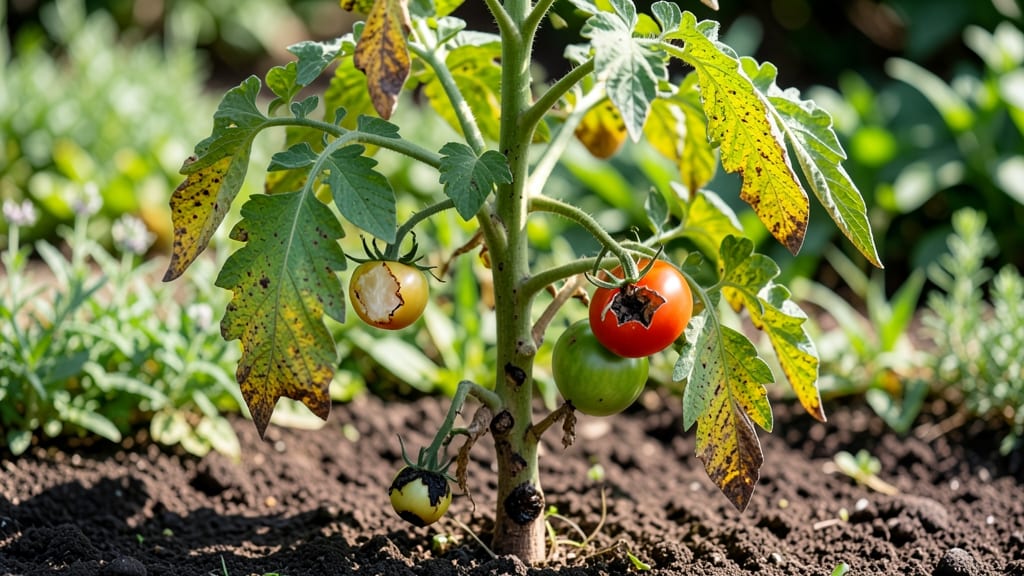
Tomato side effects may trigger digestive issues like bloating or acid reflux because of their natural acids and lycopene, while some individuals develop allergic reactions from solanine or nightshade cross-reactivity. Excessive intake could also contribute to kidney stones in prone individuals.
Understanding these reactions starts with the tomato's unique compounds. The acidity in tomatoes can irritate sensitive stomachs, especially when consumed raw or in large quantities. 🌶️ Solanine, a natural toxin found in nightshades, may cause allergic symptoms in some people, while lycopene—though beneficial in cooked tomatoes—can sometimes worsen acid reflux.
For those prone to kidney stones, tomatoes' oxalate content is worth monitoring, particularly if you're already at risk.
If you're concerned about digestive discomfort, try cooking tomatoes to reduce acidity or pairing them with alkaline foods like bananas or oatmeal. For allergies, consult a healthcare provider to explore alternative nightshade-free vegetables like zucchini or bell peppers. Small, mindful changes can make a big difference!
💡 In This Article
- How Tomatoes Affect Digestion and Allergies
- Managing Tomato-Related Side Effects Safely
How tomatoes affect digestion and allergies
The acidity in tomatoes—ranging from pH 4.0 to 4.9—is the primary culprit behind digestive discomfort. This natural acidity can trigger heartburn or acid reflux in sensitive individuals, particularly when consumed raw or in large quantities.
The compound responsible for much of this acidity is citric acid, which makes up about 0.5-1.5% of a tomato's composition. When you eat raw tomatoes, this acidity isn't neutralized by cooking, which is why some people experience immediate discomfort after consumption.
Lycopene, the antioxidant that gives tomatoes their vibrant red color, plays a dual role. While beneficial in cooked tomatoes (where absorption increases), lycopene can sometimes exacerbate acid reflux symptoms.
Studies show lycopene's fat-soluble nature means it lingers longer in the digestive tract, potentially irritating the esophagus in those with sensitive linings. 🔥 The key difference lies in preparation: raw tomatoes have 3-5 mg of lycopene per 100g, while cooked tomatoes can contain up to 30 mg per 100g—a sixfold increase that also boosts bioavailability but may worsen reflux for some.
Allergic reactions to tomatoes typically stem from solanine, a glycoalkaloid found in nightshade vegetables. While tomatoes contain lower levels of solanine (0.005-0.01 mg/g) compared to potatoes, some individuals develop allergic symptoms like hives, swelling, or digestive upset.
Cross-reactivity with other nightshades (like eggplants or peppers) is also common, as they share similar protein structures. The immune system may mistakenly identify these proteins as threats, triggering histamine release and allergy symptoms in susceptible people.
For kidney stone sufferers, tomatoes' oxalate content is particularly concerning. A medium tomato contains about 10-15 mg of oxalates, which can bind with calcium in the urinary tract to form crystals.
While this amount is relatively low, individuals prone to calcium oxalate stones (the most common type) may need to monitor their intake. The risk increases when tomatoes are consumed alongside other high-oxalate foods like spinach or nuts, creating a compounding effect in the digestive system.
Interestingly, the way you prepare tomatoes can significantly impact these effects. Roasting or slow-cooking tomatoes at 250°F (120°C) for 30-45 minutes not only boosts lycopene absorption but also reduces acidity by breaking down citric acid molecules.
This cooking method transforms tomatoes into a more stomach-friendly food while preserving their nutritional benefits. The texture also becomes softer, making them easier to digest for those with sensitive stomachs.
What most people don't realize is that individual tolerance varies widely. Some individuals can consume raw tomatoes without issue, while others experience symptoms after just half a cup (75g). This variability highlights why understanding your body's specific reactions is crucial.
Tracking symptoms after different preparations (raw vs. cooked) and portion sizes can help identify personal triggers and optimize tomato consumption.