
Pests and Diseases
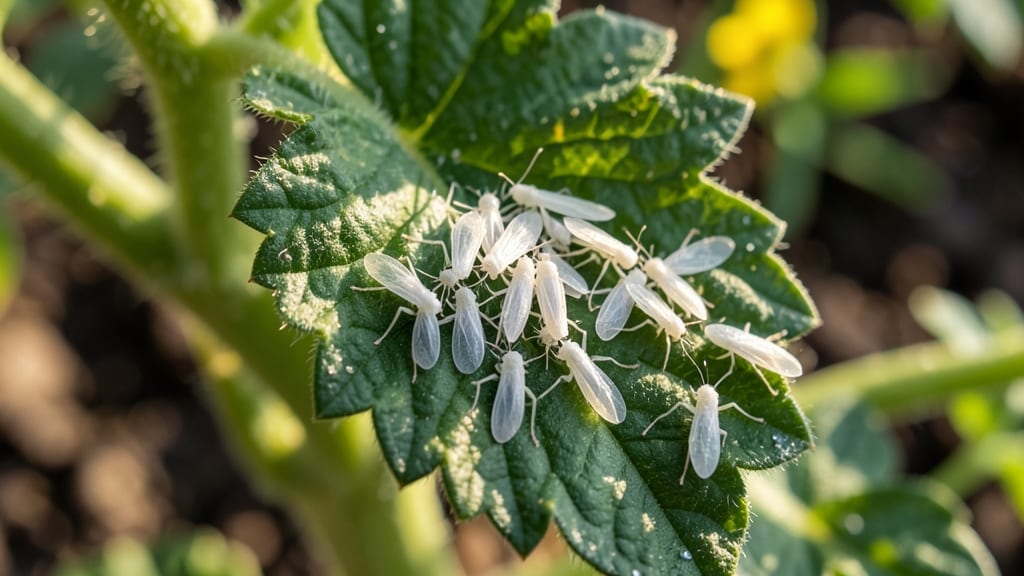
Whiteflies on tomato plants can turn your thriving vines into sticky messes faster than you can say "pest outbreak." 🌱 I’ve battled these tiny white nuisances for years, and the key to stopping them lies in a fast-acting natural spray that works within days—not weeks.
The secret isn’t complicated: it’s a mix of what you already have (or can find at the garden center) and a little persistence.
These pests thrive in warm weather, clustering on the undersides of leaves where they suck sap and leave behind a shiny, sticky residue called honeydew. My first attempt with store-bought sprays failed because I didn’t tackle the eggs hiding out of sight.
The real solution? A neem oil spray applied at dawn or dusk, when whiteflies are most active, combined with yellow sticky traps to break their life cycle. You’ll see results in as little as 3-5 days if you’re consistent.
What you’ll end up with is tomato plants that look healthy again—no more wilting leaves or sooty mold from honeydew. The best part? This method keeps working even after the initial infestation is gone, acting as a preventive shield for your entire garden.
No more panicking when you spot those tiny white specks fluttering away.
Works for backyard gardens, raised beds, and even container tomatoes. The same spray can double as a preventive treatment for other plants like peppers and eggplants. Let’s get those tomatoes back on track!
Root Causes Of Tiny Winged Invaders
Whiteflies may seem like a minor annoyance, but they thrive in specific conditions that turn your tomato plants into their perfect buffet. Understanding why these pests appear—and how they multiply so quickly—is the first step to stopping them in their tracks. Let’s break down the science behind their infestation.
Whiteflies are tropical creatures at heart. They love warm, humid environments—think 75–90°F (24–32°C) with high moisture levels. Here’s why your tomato plants become their favorite hangout:
- Rapid Reproduction: Warmth speeds up their life cycle. A single female can lay 400+ eggs in her lifetime, and they hatch in just 5–10 days under ideal conditions. 🐛➡️🐛➡️🐛
- Weakened Plants: Heat stress makes tomato plants less resilient, giving whiteflies an easier time sucking sap and spreading viruses like Tomato Yellow Leaf Curl Virus (TYLCV).
- Sticky Situation: Humidity creates a sticky honeydew residue from their feeding, which attracts sooty mold—a fungal hitchhiker that further stresses plants.
Actionable Insight: If your garden is a sauna, whiteflies will dominate. Use shade cloth, mulch to retain moisture (but not excess), and water early in the day to reduce humidity spikes.
Whiteflies target weak, crowded, or nutrient-deficient tomato plants because they’re easier to exploit. Here’s the breakdown:
| Cause | How It Helps Whiteflies |
|---|---|
| Poor Air Circulation | Crowded plants trap heat and moisture, creating a microclimate whiteflies adore. Plus, dense foliage makes sprays less effective. |
| Nutrient Deficiencies | Plants low in nitrogen or potassium produce softer, more sap-rich leaves—whitefly catnip. Yellowing leaves (chlorosis) are a red flag. |
| Root Stress | Compacted soil or underwatering weakens roots, reducing the plant’s ability to fight off pests. Whiteflies detect this weakness like a buffet sign. |
Actionable Insight: Prune aggressively to improve airflow, side-dress with compost every 3–4 weeks, and ensure pots/drainage prevent root suffocation.
Whiteflies don’t just appear—they hitchhike. Here’s how they sneak into your garden:
- Infested Nursery Stock: Many whitefly outbreaks start with contaminated seedlings or transplants. A single plant can carry thousands of eggs hidden in leaf axils.
- Wind And Insect Traffic: Adult whiteflies are weak fliers but ride wind currents or hitch rides on bees, ants, or even your gardening tools.
- Nearby Weeds: Plants like sweet potato, milkweed, or arugula act as whitefly magnets, letting them multiply before moving to tomatoes.
Actionable Insight: Quarantine new plants for 2 weeks, inspect leaves underneath with a magnifying glass, and remove weeds within a 10-foot radius of tomatoes.
Whiteflies thrive in messy, neglected gardens. Here’s how clutter invites them:
- Debris And Mulch: Old leaves, plant debris, and thick mulch layers hide pupae (whitefly nymphs) and trap moisture.
- Unwashed Tools: Pruners, stakes, or pots can carry eggs or adults between plants.
- Lack Of Rotation: Planting tomatoes in the same spot yearly exhausts soil and leaves behind whitefly-friendly residue.
Actionable Insight: Clear debris weekly, sanitize tools with 70% rubbing alcohol, and rotate crops every 3 years to disrupt their life cycle.
Natural Ways to Eliminate Whiteflies
Whiteflies on your tomato plants don’t stand a chance with these effective, eco-friendly solutions—no harsh chemicals required! Below, we’ve mapped out targeted fixes based on the root causes (overcrowding, weak plants, or infestations) so you can act fast and prevent future outbreaks.
If your tomato plants are cramped, nutrient-deficient, or water-stressed, whiteflies will move in like uninvited guests. Here’s how to revitalize your garden and deter pests:
🔥 Prune for Better Airflow
- Why? Whiteflies thrive in shady, humid spots where plants can’t dry out.
- How?
- Trim overlapping leaves and suckers (the small shoots between stems and leaves).
- Space plants 18–24 inches apart for airflow.
- Remove yellowing or diseased leaves immediately—they attract pests.
💧 Water Wisely to Avoid Stress
- Why? Underwatered or overwatered plants are weak and vulnerable.
- How?
- Water deeply at the base (not overhead) early in the morning.
- Use drip irrigation to keep foliage dry—whiteflies love damp leaves!
- Mulch around plants to retain moisture without soggy soil.
🍽️ Feed Them Right for Stronger Defense
- Why? Healthy plants repel pests naturally with strong foliage.
- How?
- Fertilize with compost or balanced organic fertilizer (10-10-10) when plants flower.
- Add neem cake or fish emulsion for a nutrient + pest-deterrent boost.
- Avoid excess nitrogen—it leads to soft, pest-loving growth.
If whiteflies have already settled in, act fast with these non-toxic traps and manual methods:
🕸️ Yellow Sticky Traps (The Ultimate Lure)
- Why? Whiteflies are drawn to yellow—they’ll get stuck before laying eggs.
- How?
- Place yellow sticky cards (available at garden centers) near but not touching plants.
- Check traps every 3–4 days and replace when full.
- Pro Tip: 💡 Hang traps above plants to catch adults before they reach tomatoes.
🚿 Blast Them Off with Water (Quick & Easy)
- Why? Whiteflies hate sudden movement—a strong spray knocks them off.
- How?
- On a sunny day, spray plants directly with water from a hose or spray bottle.
- Focus on undersides of leaves (where eggs hide).
- Repeat every 2–3 days until the infestation drops.
🍃 Neem Oil Spray (The Natural Killer)
- Why? Neem oil disrupts their life cycle, repels adults, and kills eggs.
- How?
- Mix 1 tsp neem oil + 1 tsp mild soap + 1 quart water.
- Spray evenly on all leaf surfaces, including stems.
- Reapply every 5–7 days (or after rain).
- ⚠️ Warning: Apply early in the morning or late evening to avoid harming bees.
Let good bugs eat the bad bugs—these natural allies will eliminate whiteflies long-term:
| Predator | How to Attract | Effectiveness |
|---|---|---|
| Ladybugs | Plant dill, fennel, or marigolds; release larvae. | ⭐⭐⭐⭐⭐ |
| Lacewings | Use blue sticky traps or plant cosmos. | ⭐⭐⭐⭐ |
| Parasitic Wasps | Buy from garden centers; release at dusk. | ⭐⭐⭐⭐ |
| Encarsia Wasps | Order online (specialized for whiteflies). | ⭐⭐⭐⭐⭐ |
💡 Pro Tip: If releasing predators, avoid pesticides—they’ll kill your helpers too!
Once you’ve cleared the whiteflies, keep them from coming back with these simple habits:
- 🌱 Rotate crops – Don’t plant tomatoes (or nightshades) in the same spot yearly.
- 🌿 Companion plant – Grow basil, garlic, or onions nearby to repel whiteflies.
- 🧼 Clean up debris – Remove fallen leaves and weeds where eggs hide.
- 🔍 Inspect new plants – Quarantine store-bought or nursery plants for 2 weeks before planting.
- 🌡️ Monitor temperature – Whiteflies love heat (80°F+)—shade cloth can help in extreme heat.
Final Thought: With pruning, trapping, neem oil, and beneficial bugs, you’ll crush whiteflies fast—and keep your tomato plants thriving! 🍅💪 Which method will you try first?
Frequently asked questions
How do I know if my tomato plants have whiteflies?
Look for tiny white moth-like insects on the undersides of leaves, especially near new growth. You’ll also see a sticky residue (honeydew) on leaves or the ground below, and leaves may yellow or curl. Shake a branch over a white sheet—if whiteflies flutter away, that’s your sign!
Can whiteflies harm my tomato fruits?
While they prefer leaves, severe infestations can weaken plants enough to reduce fruit quality. More concerning is their ability to spread viruses like Tomato Yellow Leaf Curl Virus (TYLCV), which can stunt growth and deform fruits. The real danger is the honeydew they leave behind—it attracts sooty mold, which blocks sunlight and reduces photosynthesis.
How often should I apply neem oil for whiteflies?
Apply a neem oil spray every 5–7 days until you see a reduction in adult whiteflies. For prevention, switch to every 2 weeks during hot, humid weather. Always spray early morning or late evening to protect beneficial insects like bees. Mix 1 tsp neem oil + 1 tsp mild soap + 1 quart water for best results.
Will yellow sticky traps work alone to eliminate whiteflies?
Sticky traps alone won’t eliminate an established infestation—they’re best used as a complementary tool. Place them near plants to catch adults, but also use neem oil or manual removal to target eggs and nymphs hiding on leaves. Replace traps every 3–4 days when full, and combine with other methods for fastest results.
What should I do if whiteflies return after treatment?
Persistent whiteflies usually mean hidden eggs or nymphs survived, or new adults arrived from nearby plants. Rotate treatments—try insecticidal soap one week, then neem oil the next. Also check for weeds or alternative hosts (like sweet potatoes) within 10 feet of your tomatoes, and improve plant health with proper spacing and fertilization.