
Leaf Blower
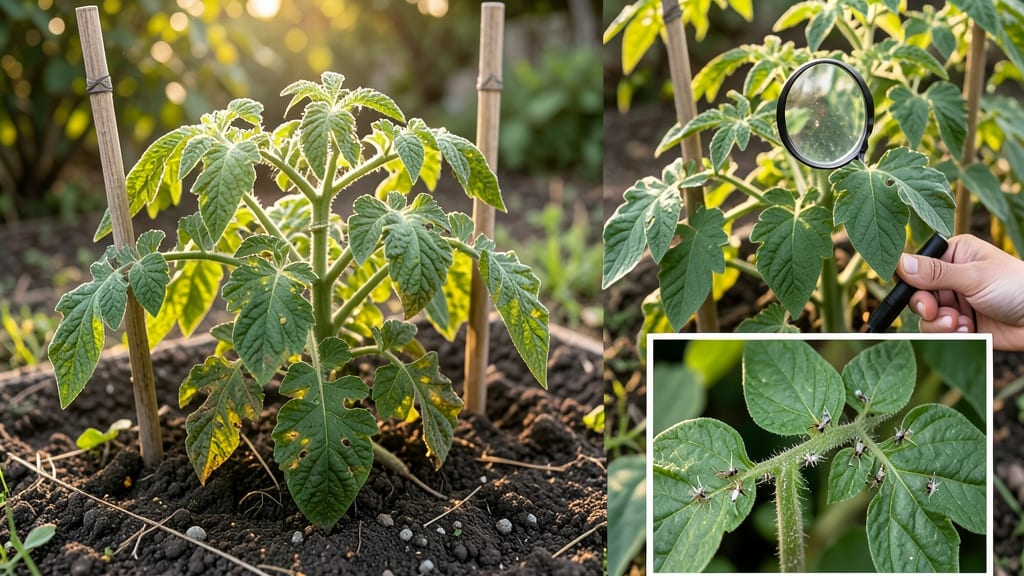
That crinkled, yellowing mess on your tomato leaves isn’t just bad luck—it’s the tomato leaf curl New Delhi virus (ToLCNDV), and it’s wreaking havoc on gardens from New Delhi to California. I’ve seen it turn lush plants into sad, stunted shadows, but there’s hope if you act fast.
The key is catching it early, where prevention and organic fixes can still save your harvest.
This virus spreads like wildfire thanks to tiny whiteflies, which hitch rides on wind and infected plants. Once it takes hold, your tomatoes might still produce fruit—but it’ll be small, deformed, and bitter. The good news?
Resistant varieties like ‘Arka Vikas’ or ‘Pant Samriddhi’ can outsmart it, and a few simple habits (like removing infected leaves immediately) make all the difference. Think of it like a game of whack-a-mole: stay vigilant, and you’ll keep the virus from winning.
Organic treatments focus on starving the whiteflies and strengthening your plants. Neem oil sprays disrupt their life cycle, while sticky traps catch adults before they spread the virus further. For existing infections, prune away curled leaves and boost plant health with compost—healthy plants fight back better.
Yes, it’s a battle, but with these steps, you’ll reclaim your garden’s potential before the season’s over.
New Delhi’s hot, dry climate makes this virus especially sneaky—it thrives in summer heat. Start with clean greenhouse practices if you’re growing indoors, and always inspect new plants before bringing them home.
The goal isn’t perfection; it’s minimizing damage so you still get a decent harvest and save next season’s tomatoes from the same fate. Let’s turn this around.
Root Causes Of Viral Spread
The Tomato Leaf Curl New Delhi Virus (ToLCNDV) doesn’t just appear out of nowhere—it thrives due to a mix of biological, environmental, and agricultural factors. Understanding these causes is key to preventing outbreaks in your garden or farm.
Let’s break down the science behind why this stubborn virus spreads so effectively.
The primary culprit behind ToLCNDV transmission is the whitefly (Bemisia tabaci), a tiny, sap-sucking insect that feeds on plant juices. Here’s how it spreads the virus:
- 🔬 Viral Acquisition: Whiteflies pick up the virus while feeding on infected plants. The virus particles bind to their mouthparts, turning them into flying syringes.
- 🌿 Transmission Efficiency: A single whitefly can transmit ToLCNDV to healthy plants within minutes of feeding. No incubation period is needed—the virus is ready to infect immediately.
- 🌍 Global Travelers: Whiteflies are highly mobile, hitching rides on wind currents, contaminated tools, or even human activity (e.g., moving infested plants). This makes regional outbreaks a real risk.
Actionable Tip: 💡 Monitor whitefly populations early in the season. Use yellow sticky traps to catch them before they spread the virus.
Not all tomato plants are equally vulnerable. ToLCNDV exploits plants that are already stressed or genetically susceptible:
| Risk Factor | Why It Matters |
|---|---|
| 🌡️ High Temperatures | Whiteflies thrive in warm climates (77–86°F), and heat-stressed plants have weakened defenses, making them easier targets. |
| 💧 Poor Nutrition | Nitrogen-deficient or over-fertilized plants produce tender leaves, which whiteflies prefer for feeding. |
| 🌱 Young or Damaged Leaves | New growth is more susceptible because cell walls are thinner, allowing the virus to enter more easily. |
| 🌿 Hybrid Varieties | Some commercial hybrids lack natural resistance to ToLCNDV, while heirloom varieties may have better genetic defenses. |
Actionable Tip: ✨ Choose heat-tolerant, resistant varieties like Solanum lycopersicum cv. ‘Arka Vikas’ or ‘Pusa Ruby’ if you’re in a high-risk zone.
ToLCNDV doesn’t spread in a vacuum—it needs the right conditions to flourish. These factors create a perfect storm for outbreaks:
- 🌞 Dry, Dusty Climates: Arid conditions reduce plant moisture, making leaves more attractive to whiteflies and easier for the virus to penetrate.
- 🌪️ Wind and Pollen: Wind can disperse whiteflies, while pollen from infected plants may carry viral particles to healthy ones.
- 🏡 Contaminated Farm Tools: Pruners, stakes, or even boots can transfer viral particles between plants if not sterilized between uses.
Actionable Tip: 🌡️ Use shade cloth in peak summer to reduce heat stress, and water plants at the base (not overhead) to deter whiteflies.
ToLCNDV isn’t just a one-time visitor—it can linger in the environment and reinfect plants:
- 🌿 Long-Term Plant Debris: Infected leaves or stems left in the soil can harbor the virus for months, waiting for the next crop.
- 🌱 Seed Transmission: While rare, some strains of ToLCNDV can be seed-borne, meaning infected seeds may produce diseased seedlings.
- 🦠 Soil-Borne Pathogens: Fungal or bacterial infections (e.g., Fusarium) can weaken plants, making them more susceptible to viral takeovers.
Actionable Tip: 🔥 Practice crop rotation and remove all plant debris after harvest to break the virus’s life cycle.
How to Treat and Prevent Viral Leaf Curl
If your tomato plants are showing signs of leaf curl, stunted growth, or yellowing leaves, acting fast is key. Since the Tomato Leaf Curl New Delhi Virus (ToLCNDV) spreads rapidly and has no chemical cure, prevention and organic fixes are your best tools. Below, we break down targeted solutions based on the most common causes—plus proactive steps to keep your garden healthy.
If you spot curled, distorted leaves or stunted growth, do not compost or discard the plant in your yard. The virus spreads via sap, insects (like whiteflies), and even contaminated tools.
- 🔪 Excise infected plants—dig them out roots and all and dispose of them in sealed plastic bags.
- 🌱 Burn or trash (not compost) to prevent reinfection.
- 🚫 Avoid touching healthy plants after handling infected ones—wash hands and tools with 70% alcohol or soapy water.
Healthy tomatoes resist viral attacks better. Boost their defenses with these organic methods:
🍳 Boost Nutrient Intake
Weak plants are easier targets. Use these organic amendments:
| Nutrient Deficiency | Signs | Organic Fix |
|---|---|---|
| Nitrogen (N) | Pale yellow leaves, slow growth | Compost tea or fish emulsion (1 tbsp/gallon of water, spray foliage). |
| Potassium (K) | Yellow edges, weak stems | Wood ash (1 cup per plant) or banana peel tea (steep peels in water for 24 hours). |
| Phosphorus (P) | Purple stems, delayed flowering | Bone meal (1 tbsp per plant, mix into soil). |
🌡️ Optimize Growing Conditions
Viruses thrive in stress. Adjust these factors:
- ✨ Space plants properly—crowding increases humidity and insect attraction. Aim for 18–24 inches apart.
- 💧 Water at the base—avoid wetting leaves to reduce fungal/bacterial hitchhikers.
- 🌿 Rotate crops—never plant tomatoes (or related plants like peppers) in the same spot yearly.
The ToLCNDV relies on vectors like whiteflies and aphids. Break the chain:
🔥 Trap and Eliminate Whiteflies
These tiny pests transmit the virus. Use these organic traps:
- 🍯 Neem oil spray (2 tbsp neem oil + 1 tsp mild soap + 1 quart water). Spray early morning to avoid harming bees.
- 🌿 Sticky yellow traps—hang near plants to catch adults.
- 🌱 Reflective mulch—cover soil with aluminum foil or silver plastic to disorient insects.
🧼 Sanitize Tools and Hands
Viruses linger on contaminated pruners, gloves, and even your skin.
- ⏰ Clean tools between plants with rubbing alcohol (70%) or bleach solution (1:10 ratio).
- 🧤 Wear gloves when pruning—change them if switching to healthy plants.
An ounce of prevention saves pounds of heartache. Implement these long-term strategies:
- 🌱 Start with virus-free seedlings—buy from reputable nurseries or grow from certified seeds.
- 🔍 Inspect new plants for whiteflies or leaf curl before bringing them home.
- 🏡 Quarantine new plants for 2 weeks in a separate area to monitor for symptoms.
- 🌿 Encourage beneficial insects—ladybugs and lacewings prey on whiteflies. Plant dill, fennel, or marigolds nearby.
- 📅 Plant early or late—whiteflies peak in mid-summer; avoid planting tomatoes then.
Remember: While there’s no cure for ToLCNDV, these steps can severely limit its impact and protect your crop. Stay vigilant, and your tomatoes will thrive!
Frequently asked questions
What are the first signs of tomato leaf curl New Delhi virus?
Look for crinkled, upward-curling leaves that appear thicker than normal, along with yellowing between veins. You may also notice stunted growth and small, deformed fruits that ripen unevenly. These symptoms typically appear 3-4 weeks after infection. Check the undersides of leaves for tiny whiteflies—the virus's main carriers.
Can I save a tomato plant already infected with ToLCNDV?
Unfortunately, there's no cure for infected plants, but you can prune severely affected leaves to slow spread. Remove all curled/diseased foliage immediately and dispose of it in sealed bags (not compost). Focus on keeping the plant healthy with proper watering and nutrients—this may delay further damage. For best results, quarantine the plant away from healthy tomatoes.
How do I prevent whiteflies from spreading the virus?
Start with yellow sticky traps near plants to catch adult whiteflies. Apply neem oil spray (mix 2 tbsp neem oil + 1 tsp mild soap + 1 quart water) weekly, focusing on leaf undersides. Use reflective mulch (aluminum foil) to disorient insects. Plant marigolds or dill nearby to attract beneficial predators like ladybugs. Always sanitize tools between plants with 70% alcohol.
Are there tomato varieties resistant to this virus?
Yes! Look for ToLCNDV-resistant varieties like Arka Vikas, Pusa Ruby, or Solanum lycopersicum hybrids labeled "virus-resistant." These varieties have genetic traits that make them less susceptible. For home gardens, heirloom varieties like Cherokee Purple often show better natural resistance than commercial hybrids. Always buy certified disease-free seedlings from reputable nurseries.
Will removing infected plants stop the virus from spreading?
Removing infected plants reduces but doesn't eliminate the risk—whiteflies can still carry the virus from nearby infected plants or weeds. For complete control, practice crop rotation, remove all plant debris, and inspect new plants for 2 weeks in quarantine. In hot climates like New Delhi, focus on prevention year-round since the virus can persist in soil and weeds.