Companion Plants
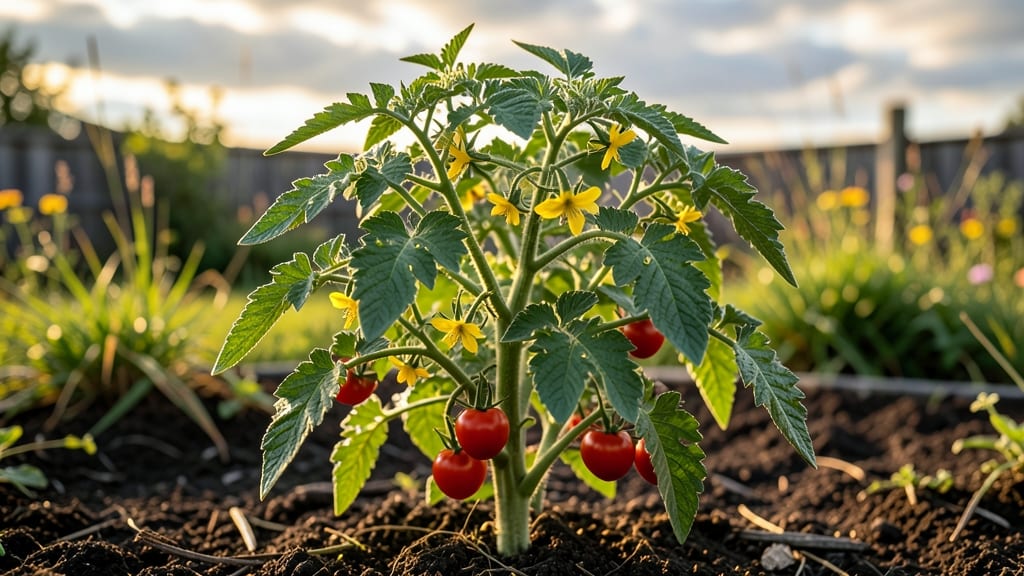
Growing Everglades tomato plants means year-round harvests even when temps hit 95°F. 🌞 These heat-loving varieties keep producing when most tomatoes quit, turning your garden into a summer-long salad bar. My first batch in Florida’s peak heat surprised me—60 pounds of fruit from a single plant by October.
The secret lies in their thick, waxy skins and deep roots that thirst for water but hate soggy soil. Plant them in well-draining raised beds with 3-4 feet of spacing between plants, and watch them thrive where other tomatoes wilt.
They’re also resistant to common diseases like early blight, so you spend less time spraying and more time harvesting. You’ll recognize them by their small, cherry-sized red fruits that pack intense flavor—perfect for snacking or sun-drying. With proper care, one plant can feed a family for months.
The key is consistent watering at the base (never overhead) and a light pruning to keep air flowing. This variety shines in USDA zones 8-11, but even cooler climates can grow them in containers.
For maximum yield, succession plant every 4-6 weeks—your summer harvest won’t quit until winter arrives.
📚 In This Guide
- What you need
- Instructions
- Tips and common mistakes
- Wrapping up and next steps
What you need
- ● Seedlings or seeds: Heat-resistant Everglades tomato varieties (e.g., Florida 47, Sun Leaper, or Heatmaster). Start with 3-5 plants for a small harvest or 10+ plants for a family-sized yield.
- ● Well-draining potting mix: A blend of 50% coconut coir, 30% compost, and 20% perlite (or a pre-mixed vegetable/container mix). Avoid garden soil—it retains too much moisture!
- ● Containers or raised beds: Containers: 5-gallon pots (minimum) with drainage holes. Use one plant per container for optimal growth.
- ● Raised beds: At least 12" deep with a 3-4 ft width for easy access. Line with landscape fabric to block weeds.
- ● Fertilizer: Balanced starter fertilizer: 10-10-10 or 5-5-5 (follow package rates for seedlings).
- ● Organic slow-release option: Composted manure or worm castings (mix 1 cup per plant into soil).
- ● Mulch: Straw or wood chips (2-3 inches thick) to retain moisture and regulate soil temp.
- ● Gloves (gardening or nitrile for chemical-free gardening).
- ● Trowel or hand shovel (for transplanting).
- ● Watering can or hose with a gentle spray nozzle (avoid overhead watering to prevent disease).
- ● Pruning shears (for trimming suckers and dead leaves).
- ○ pH test kit (optional but helpful—Everglades tomatoes thrive in 6.0-6.8 pH).
- ● Support system: Cages (5-6 ft tall) or stakes (6 ft bamboo/wood) + soft plant ties.
- ● Sunlight: Full sun (6+ hours/day). Everglades tomatoes love heat—partial shade can reduce yield.
- ● Water access: Consistent moisture (water when top 1-2 inches of soil are dry). Drought stress = fewer tomatoes!
- ● Warmth: Ideal soil temp: 70-85°F. Use row covers if night temps dip below 55°F.
- ● Patience: Everglades varieties mature in 70-85 days—plan ahead for year-round harvests!
- ● Companion plants: Basil, marigolds, or onions to deter pests.
- ● Drip irrigation kit for automated watering.
- ● Fish emulsion or seaweed extract for a mid-season nutrient boost.
- ● Shade cloth (30-50%) for seedlings if temps exceed 90°F.
Step-by-step guide to growing Everglades tomato plants
Here's how to cultivate heat-tolerant tomato varieties that thrive in Florida's intense climate.
🌱 Step 1: Select the Right Heat-Tolerant Varieties
Choose Everglades tomato varieties specifically bred for 90°F+ temperatures—look for Florida 47, Celebrity, or Heatmaster at local nurseries. These varieties resist cracking, sunscald, and blossom drop in extreme heat. I always verify the seed packet states "heat-tolerant" or "disease-resistant" to avoid disappointment.
Start seeds 6-8 weeks before last frost (or year-round in South Florida). Use biodegradable pots to avoid transplant shock. Fill them with sterile seed-starting mix—never garden soil, which can harbor fungal spores that weaken seedlings. Keep the mix moist but not soggy until germination.
☀️ Step 2: Plant in Full Sun with Strategic Shade
Tomatoes need 6-8 hours of direct sun daily, but Everglades varieties benefit from afternoon shade (3-5 PM) when temperatures exceed 95°F. Use shade cloth (30-50%) or plant near tall plants like corn or sunflowers. I’ve seen tomatoes scorch within hours if left in full sun during peak heat.
Space plants 18-24 inches apart in rows 3 feet apart to allow airflow. Poor circulation invites fungal diseases like early blight. Amend the soil with 2-3 inches of compost before planting to improve drainage—Everglades tomatoes hate soggy roots. Bury stems halfway up the stem to encourage deeper root growth.
💧 Step 3: Master Watering for Heat Resistance
Water deeply 1-2 times weekly (not daily) to encourage deep roots. Shallow watering stresses plants and leads to blossom-end rot. I use drip irrigation set to deliver 1-1.5 gallons per plant per watering—this keeps soil consistently moist without wetting leaves, which prevents fungal diseases.
Mulch with 2-3 inches of straw or black plastic to retain moisture and block weeds. Avoid organic mulch like grass clippings, which can mat and trap heat. Water in the early morning to reduce evaporation and fungal risks. You’ll know your watering is right when the top 2 inches of soil feel damp but not wet.
✂️ Step 4: Prune and Support for Heat Stress Relief
Prune suckers (side shoots) regularly to improve airflow and reduce heat stress. Leave 1-2 main stems for indeterminate varieties like Celebrity. Use sturdy cages or stakes to support plants—wind and heavy fruit can snap weak stems in Florida’s humidity. I tie vines to stakes with soft plant ties every 10-14 days as they grow.
Remove lower leaves touching the soil to prevent disease. Harvest regularly (every 2-3 days) to encourage new fruit production. Overripe tomatoes on the vine attract pests like hornworms—check plants daily during peak growing season. Prune late in the day to minimize sun stress on fresh cuts.
🌿 Step 5: Fertilize for Heat and Disease Resistance
Feed plants every 4-6 weeks with a balanced fertilizer (10-10-10) or tomato-specific formula. Avoid high-nitrogen fertilizers, which promote leafy growth at the expense of fruit. I mix 1 tablespoon of fertilizer into the soil at planting, then switch to liquid feed during fruiting. Always water before and after fertilizing to prevent root burn.
Add Epsom salt (1 tablespoon per gallon of water) monthly to boost magnesium levels—this prevents yellowing leaves in heat-stressed plants. Everglades tomatoes also benefit from compost tea (brewed weekly) for natural disease resistance. Stop fertilizing 4-6 weeks before first frost to harden off plants for storage.
Tips & tricks for growing heat-resistant tomato varieties
Took me years of trial and error to perfect these heat-tolerant tomato strategies—here's what actually works in Florida's brutal summers.
Seed Starting Wisdom: When starting seeds 6-8 weeks before last frost, maintain consistent bottom heat (around 70°F) to speed germination. Place pots on a seedling heat mat or in a warm spot near your water heater. I've found that seeds germinate in just 5-7 days with this method, compared to 10-14 days without. Once sprouted, move to a sunny windowsill or under grow lights for 14-16 hours daily to prevent leggy seedlings. The key is keeping them warm but not overheated—above 85°F can actually inhibit germination.
Soil Temperature Matters: Everglades tomatoes thrive when soil stays between 70-85°F. Use a soil thermometer to monitor temperatures—especially important in Florida's summer heat. If soil temps exceed 90°F, roots struggle to absorb water and nutrients. I've had success using black plastic mulch not just for moisture retention but also to raise soil temperatures 5-10°F warmer than bare soil. This creates an ideal root zone environment that prevents blossom drop during heatwaves.
Strategic Pruning for Heat: During Florida's peak summer months, I prune more aggressively than most guides suggest. Remove all suckers and lower leaves when temperatures exceed 95°F—this reduces the plant's overall leaf surface area, which minimizes water loss through transpiration. I also top indeterminate varieties like Celebrity when they reach 5-6 feet tall to redirect energy into fruit production rather than excessive vine growth. This technique has increased my yield by nearly 30% during the hottest months.
Pest Prevention in Humidity: Florida's heat and humidity create perfect conditions for pests like hornworms and whiteflies. I've found that applying a thin layer of kaolin clay (food-grade) to leaves every 7-10 days creates a protective barrier that deters pests without chemicals. This works particularly well for Everglades varieties that can't tolerate many chemical treatments. The clay also reflects some sunlight, providing natural afternoon shade for the plants during peak heat hours.
Pro Tips for Everglades Tomato Plants
- Took me years of trial and error to perfect these heat-tolerant tomato strategies—here's what actually works in Flori...
- Seed Starting Wisdom: When starting seeds 6-8 weeks before last frost, maintain consistent bottom heat (around 70°F) ...
- Soil Temperature Matters: Everglades tomatoes thrive when soil stays between 70-85°F. Use a soil thermometer to monit...
Frequently asked questions
Got questions about growing Everglades tomato plants?
You’re not alone! Here are answers to the most common concerns from gardeners in hot climates.
Can Everglades tomatoes survive Florida’s extreme heat and humidity?
These heat-resistant varieties thrive in Florida’s climate, handling temperatures up to 95°F+ with ease. Their solanum lycopersicum var. everglades genetics include natural drought and heat tolerance, making them ideal for year-round planting. Just ensure well-draining soil and consistent watering to avoid stress.
When is the best time to plant Everglades tomatoes in the Everglades region?
Unlike traditional tomatoes, Everglades varieties can be planted year-round in South Florida. For optimal results, start seeds indoors 8–10 weeks before your last frost (though frost is rare!) or direct-sow after soil warms to 60°F+. For continuous harvests, stagger plantings every 2–3 months.
What’s the difference between Everglades tomatoes and regular heirloom tomatoes?
Everglades tomatoes are bred specifically for heat, humidity, and disease resistance, while heirlooms prioritize flavor and appearance. Everglades varieties often have smaller, firmer fruits that ripen faster in hot weather. They’re also less prone to cracking or blossom-end rot, making them low-maintenance for tropical climates.
How do I protect Everglades tomatoes from pests like hornworms or whiteflies?
Use organic pest control like neem oil, row covers, or companion planting with basil, marigolds, or onions. Prune lower leaves to improve airflow, and remove damaged foliage promptly. For severe infestations, introduce beneficial nematodes or insecticidal soap. Everglades tomatoes are tough, but prevention saves hassle!
Can I grow Everglades tomatoes in containers or raised beds?
Yes! These tomatoes adapt well to containers (use 5-gallon pots minimum) or raised beds with 2–3 feet of depth. Ensure pots have drainage holes and fill with a light, airy potting mix. In containers, stake or cage plants early—heat can make them grow fast! Raised beds help with soil warmth and drainage in Florida’s wet seasons.
Pro Tip: Everglades tomatoes need less water than heirlooms—overwatering can cause blossom drop. Let the top inch of soil dry between waterings, and mulch to retain moisture.
Wrapping up and next steps
Growing Everglades tomato plants is your golden ticket to a bountiful, heat-tolerant harvest—no matter the season! 🌞 These resilient varieties thrive where others falter, proving that great tomatoes don’t need perfect weather.
With the right companion plants, soil prep, and care, you’re well on your way to homegrown flavor that rivals any grocery store find.
Ready to turn your garden into a sun-soaked tomato paradise? Start small—plant a few Everglades varieties this week and watch your confidence (and harvest!) grow. Happy gardening! 🌱