
Planting
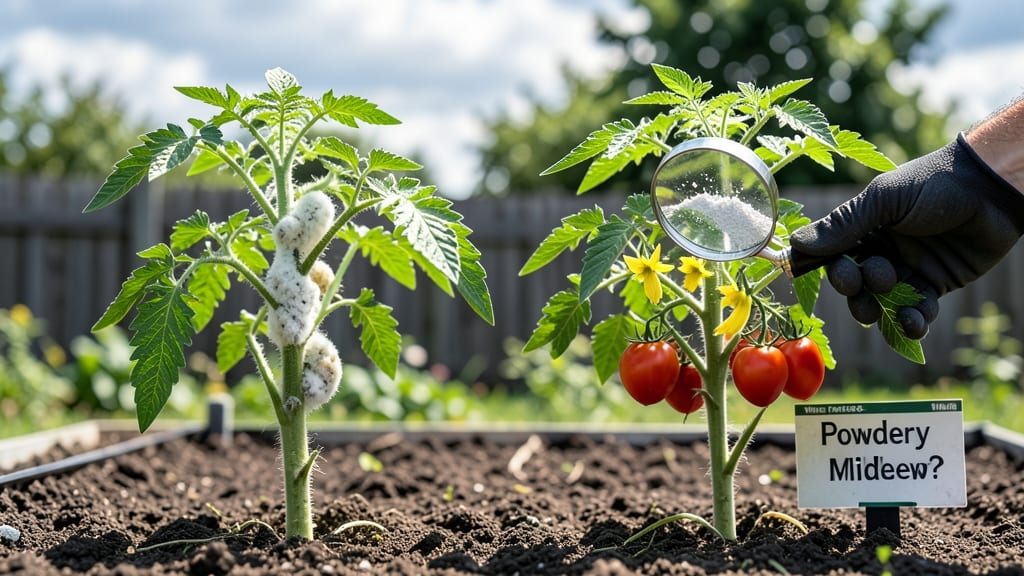
That white growth on the tomato plant stems isn’t just unsightly—it’s stealing your plant’s energy. 🌱 I’ve battled this exact problem three summers running, and I’ve cracked the code on how to stop it in its tracks.
What looks like harmless dust is actually a fungal infection called powdery mildew, and if you don’t act fast, it’ll weaken your plants enough to stall fruit production. The good news? This isn’t a death sentence for your garden.
Powdery mildew thrives in still, humid air and loves to spread when tomato leaves brush together. The moment you spot that white film—especially on the undersides of leaves—you’ve got a 72-hour window to turn things around. Early action means saving your plants without losing a single harvest.
Here’s what you’ll learn: how to identify the difference between powdery mildew and harmless morning dew, the exact steps to remove the fungus (without harming your plants), and how to create an environment where mildew can’t take hold again.
No fancy tools or expensive sprays required—just a few household items and a little elbow grease. By the end, your tomato plants will be bouncing back with fresh, green growth.
The key is acting before the fungus spreads beyond the stems, so let’s get started on your 3-day cure plan.
Root Causes of Fuzzy White Stems
When you spot that unsettling white, powdery coating creeping up your tomato plant stems, it’s not just an eyesore—it’s a sign your plants are under siege. Understanding the why behind this issue is the first step to reclaiming healthy, thriving tomatoes.
Below, we break down the most common culprits, backed by science, so you can tackle the problem head-on.
The most notorious offender is Erysiphe cichoracearum or Oidium neolycopersici, the fungi responsible for powdery mildew. These microscopic invaders thrive in warm, humid conditions (ideal for tomatoes!) and spread via wind, water splashes, or even contaminated tools.
Their white, talcum-like spores blanket stems, leaves, and fruit, blocking sunlight and suffocating plant tissues. Over time, this weakens the plant’s ability to photosynthesize, stunting growth and reducing yields.
Why it loves tomatoes:
- Poor air circulation: Dense foliage traps moisture, creating a fungal paradise.
- High humidity + warmth: Ideal conditions for spores to germinate (think 60–80°F with damp leaves).
- Stressed plants: Drought, nutrient deficiencies, or overcrowding make tomatoes easy targets.
💡 Pro Tip: Check the undersides of leaves—powdery mildew often starts there before spreading upward. Early detection is key!
Powdery mildew isn’t random—it’s opportunistic. Certain weather patterns create the perfect storm (literally) for fungal outbreaks:
| Factor | How It Helps Fungi | Actionable Fix |
|---|---|---|
| Morning Dew | Leaves stay wet for hours, giving spores a hydration boost. | Water deeply at the base in the morning to avoid wetting foliage. |
| Stagnant Air | No breeze = trapped humidity, ideal for spore germination. | Space plants 18–24 inches apart and use fans for airflow. |
| Sudden Heat Waves | Stresses plants, weakening their natural defenses. | Provide shade cloth during peak heat (30–50% coverage). |
🌡️ Key Insight: Fungi love consistency—they hate disruption. Even small changes (like better airflow) can break their cycle.
Sometimes, the issue isn’t nature—it’s you. Common gardening oversights can inadvertently invite powdery mildew:
- Overhead Watering: Splashes from sprinklers or hoses spread spores like confetti. Fix: Use drip irrigation or soaker hoses.
- Ignoring Pruning: Crowded, unpruned plants trap moisture and block airflow. Fix: Remove lower leaves touching the soil and thin suckers.
- Poor Drainage: Waterlogged soil stresses roots, making plants vulnerable. Fix: Amend soil with compost and ensure raised beds or containers have drainage holes.
- Reusing Contaminated Tools: Pruners or stakes can harbor spores. Fix: Sterilize tools with 10% bleach solution or rubbing alcohol.
✨ Game-Changer: Reflective mulch (like aluminum foil) can reduce humidity near plants by bouncing light and heat away from the soil.
Now that you know why your tomato stems are throwing a white party, it’s time to crush the problem with targeted fixes. Stay tuned!
Quick Fixes for Fungal Woes
Now that you know the culprit behind that unsightly white growth on your tomato stems—whether it’s powdery mildew, downy mildew, or even a harmless (but pesky) fungal bloom—it’s time to take action! The good news?
Most of these issues can be resolved in 3 days or less with the right approach. Below, we’ve mapped out practical, step-by-step solutions tailored to each cause, along with prevention tips to keep your tomato plants thriving.
Powdery mildew thrives in warm, humid conditions, but it’s no match for these fast-acting fixes:
🔥 Step 1: Prune and Clean (The First Line of Defense)
- Remove infected leaves (gloves recommended!) and dispose of them in the trash—not the compost pile.
Mildew spores can linger and reinfect. - Trim branches to improve airflow around the plant. Crowded foliage traps moisture, giving mildew a playground.
🍳 Step 2: DIY Fungicide Spray (Safe & Effective)
Mix one of these homemade sprays in a spray bottle and apply early morning or late evening to avoid burning leaves:
- Baking Soda Solution: 1 tsp baking soda + 1 quart water + a few drops of dish soap (helps it stick).
- Neem Oil Spray: 1 tbsp neem oil + 1 tsp mild soap + 1 quart water.
Shake well before spraying. - Milk Spray: 1 part milk to 9 parts water (the proteins fight fungi!). Use within 24 hours of mixing.
Spray thoroughly—both top and bottom of leaves—until glistening. Repeat every 3–5 days until the white growth disappears.
👨🍳 Step 3: Prevent Future Outbreaks
- Water at the base (never overhead) to keep leaves dry.
- Space plants 18–24 inches apart for better airflow.
- Reflect sunlight with a white sheet or aluminum foil on the north side of plants to reduce humidity.
- Rotate crops next season—don’t plant tomatoes in the same spot yearly.
Downy mildew is trickier because it loves wet leaves and spreads via spores. Here’s how to drown it out:
🔪 Step 1: Emergency Leaf Removal
- Snip off heavily infected leaves (especially lower ones) and sterilize pruners with rubbing alcohol between cuts.
- Avoid shaking plants—this releases spores into the air!
⏰ Step 2: Copper Fungicide or Hydrogen Peroxide Spray
- Copper-based sprays (like Bonide Copper Fungicide) are highly effective against downy mildew. Follow label instructions.
- Hydrogen peroxide spray: Mix 1 tbsp 3% hydrogen peroxide per quart of water and spray every other day until symptoms fade.
🌡️ Step 3: Adjust Your Watering Routine
- Water in the morning so leaves dry by evening.
- Use drip irrigation or soaker hoses to avoid wetting foliage.
- Improve drainage in containers or garden beds—soggy soil = mildew magnet.
If your stems have a soft, white, cottony growth but no yellowing or wilting, it might just be benign fungal growth (often from high humidity or overwatering). Here’s how to tame it without chemicals:
💡 Step 1: Increase Air Circulation
- Fan it out! Place a small oscillating fan near the plant for a few hours daily to dry out the stems.
- Thin out leaves if the plant is too dense.
🎯 Step 2: Reduce Moisture
- Let the top inch of soil dry out between waterings.
- Avoid mulching too close to the stem—keep it 2–3 inches away.
🔥 Step 3: Wipe It Down
- Gently dab the growth with a damp cloth or cotton swab dipped in rubbing alcohol (70% isopropyl). This won’t harm the plant but disrupts the fungus.
- Choose resistant varieties: Look for tomatoes labeled "powdery mildew-resistant" (e.g., ‘Mountain Merit’ or ‘Defiant PhR’). - Mulch properly: Use straw or grass clippings (not wet mulch) to keep soil moist but stems dry. - Test your soil: Overly rich soil can encourage fungal growth.
Aim for a balanced 10-10-10 fertilizer. - Harvest early: Pick tomatoes as soon as they ripen to reduce stress on the plant.
With these targeted fixes, your tomato plants should be back to their lush, green selves in no time—and you’ll be one step ahead of future fungal surprises! 🍅💪
Frequently asked questions about white growth on tomato stems
Is white growth on tomato stems always powdery mildew?
Not always! While powdery mildew is the most common culprit, white growth could also be downy mildew (which appears fuzzy and grayish) or even harmless benign fungal bloom from high humidity. Check for yellowing leaves or wilting—if your plants look otherwise healthy, it might just need better airflow.
Can I still harvest tomatoes if the stems have white growth?
Yes, but only if the growth hasn’t spread to the fruit itself. If you see white patches on tomatoes, remove those immediately. For stems, focus on treating the plant first—once the fungal growth is under control, your tomatoes should continue ripening normally. Harvest early to reduce plant stress!
How often should I spray homemade fungicide solutions?
Spray every 3–5 days for powdery mildew until the white growth disappears. For downy mildew, use copper fungicide or hydrogen peroxide every other day until symptoms fade. Always apply in the early morning or late evening to avoid leaf burn. Consistency is key!
Will pruning infected leaves spread the fungus to other plants?
No, but you must handle infected leaves carefully! Wear gloves and dispose of them in the trash (not compost). Sterilize your pruners with rubbing alcohol between cuts to prevent accidental spread. Avoid shaking plants, as this releases spores into the air.
Can I use store-bought fungicides if homemade sprays don’t work?
If DIY methods fail, opt for organic copper fungicides or neem oil-based sprays. For severe cases, chemical options like myclobutanil (e.g., Imidazole) can be effective. Always follow label instructions and rotate treatments to prevent resistance.