
Plants
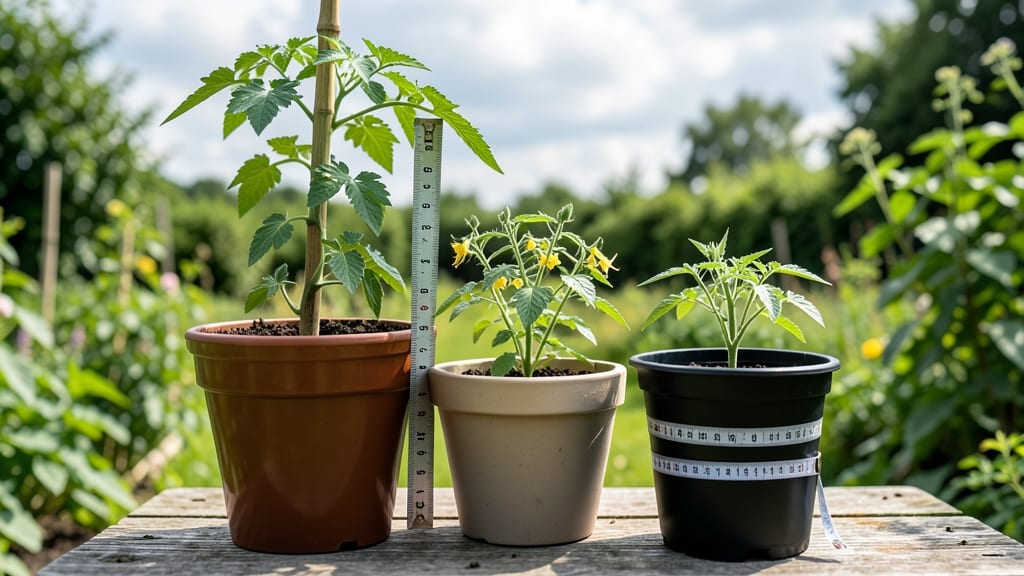
A tomato plant needs what size pot does a tomato plant need—at least 5 gallons for dwarf varieties and up to 15+ gallons for sprawling indeterminate types like Sungold—too small, and you’ll watch your vines struggle instead of thrive.
Picture this: you’ve spent weeks nurturing your 🍅 seedlings, only to see them wilt or produce tiny, flavorless tomatoes because their roots are cramped. The right pot size isn’t just about fitting the plant—it’s about giving roots room to breathe, access to nutrients, and stability as the plant grows.
In this guide, I’ll break down the exact pot dimensions for determinate (bush) vs. indeterminate (vining) tomatoes, plus how to adjust for dwarf or heirloom varieties.
You’ll also learn why fabric grow bags outperform ceramic for deep-rooted types and how to spot the signs of root-bound stress before it’s too late.
By the end, you’ll know exactly how to size your containers for a bountiful harvest, whether you’re growing cherry tomatoes on a balcony or beefsteaks in your backyard.

Tomato plant pot size requirements by variety type (container sizing chart)
Choosing the right pot size for your tomato plants isn't just about fitting them in—it's about giving their root systems the space to thrive. Determinate varieties (bush types) and indeterminate varieties (vining types) have vastly different needs, and ignoring these can lead to stunted growth or poor fruit production.
I've grown everything from cherry tomatoes in 5-gallon pots to heirloom giants in 25-gallon containers, and the difference in yield is night and day.
Root binding is the silent killer of container-grown tomatoes. When roots circle the inside of a pot, they can't absorb nutrients or water efficiently, leading to blossom end rot or leaf yellowing. The key is providing enough soil volume—not just width, but depth—to support the plant's mature size.
For indeterminate tomatoes, which grow continuously, you'll need deeper pots, while determinate tomatoes can handle shallower but wider containers.
Here's the rule of thumb I follow: 1 gallon of soil per 1 square foot of plant canopy at maturity. But since most gardeners don't measure canopy area, I've created a practical container sizing chart below that accounts for both pot dimensions and variety type.
Always prioritize drainage holes—no exceptions—and consider fabric grow bags for indeterminate types to prevent root circling.
For dwarf varieties like 'Tiny Tim' or 'Micro Tom,' you can scale down, but never go smaller than a 1-gallon pot for mature plants. On the flip side, heirloom giants like 'Brandywine' or 'Cherokee Purple' need at least 15 gallons to support their massive root systems.
Pro tip: If you're growing multiple plants in one container, increase the pot size by 50% per additional plant.
Now, let's break down the exact pot sizes you need for each tomato type, including soil volume calculations and spacing rules to keep your plants happy and productive.
When selecting pots, depth matters more than diameter for tomatoes. A 12-inch-deep pot is ideal for indeterminate varieties because their roots grow downward, not outward. For determinate tomatoes, focus on width—a 12-inch diameter pot provides enough stability for bushy plants.
If you're growing multiple plants in one container, space them 18-24 inches apart to prevent competition for nutrients.
One mistake I see often is using decorative pots without drainage. Tomato roots rot quickly in soggy soil, so always choose containers with holes at the bottom. If your pot lacks drainage, add a
5 Critical mistakes that ruin tomato growth in too-small pots (and how to fix them)
Even experienced gardeners make the mistake of planting tomatoes in containers that are too small. I’ve seen beautiful tomato seedlings wither because their roots outgrew their pots—often by mid-summer. The most common error?
Using flower pots or shallow containers meant for annuals like petunias. Tomatoes need deep roots and plenty of soil volume to support their heavy fruit loads.
Another frequent misstep is ignoring the difference between determinate (bush) and indeterminate (vining) varieties. A Sungold cherry tomato can grow 6+ feet tall, while a Roma stays compact.
Yet both get crammed into the same 5-gallon pot—leading to stunted growth and poor yields. Let’s fix these mistakes before your plants suffer.
⚠️ WARNING: Too-Small Pots = Disaster
- Minimum 5 gallons for determinate varieties (bush types)
- 10+ gallons for indeterminate vining tomatoes
- 12+ inches deep to prevent root circling and blossom end rot
- Drainage holes to avoid waterlogged soil (a silent killer)
Repurposing old pots without these specs? Your tomatoes will struggle to fruit and may even die prematurely.
Symptoms of pot-bound tomatoes include yellowing leaves (nutrient deficiency), blossom end rot (calcium uptake failure), and fewer fruits despite heavy flowering. If your plant’s roots are circling the bottom of the pot, it’s already too late for a quick fix—you’ll need to transplant immediately or risk losing your harvest.
To fix an existing tomato in a too-small pot, I recommend upgrading to a larger container (at least 1 gallon per foot of plant height) and adding fresh potting mix with compost.
Gently loosen the root ball before transferring to avoid damaging the roots. For indeterminate varieties, consider a 5-gallon fabric grow bag with a trellis for vertical support.
Prevent future mistakes by starting with the right pot size and monitoring growth. If your tomato plant outgrows its container by summer, it’s already too late to save the season—plan ahead! Use self-watering containers for consistency, and avoid plastic pots without drainage, which trap excess moisture and promote disease.
Pro tip: If you’re growing multiple tomatoes in one pot, space them 18-24 inches apart to prevent competition. Crowded roots lead to poor air circulation, increasing the risk of fungal diseases like early blight. With the right container and care, your tomatoes will thrive—and you’ll enjoy a bountiful harvest!