
How To
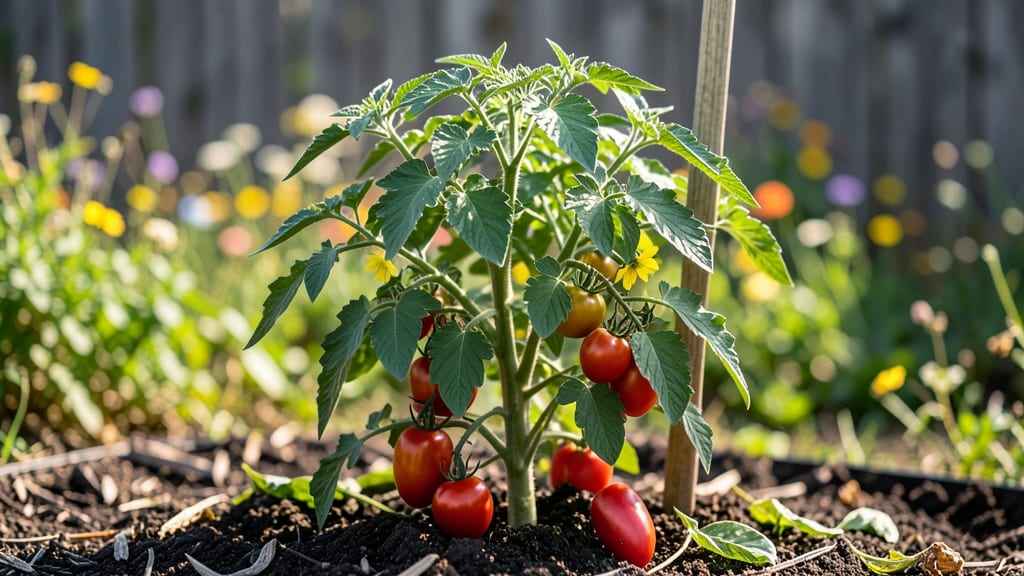
A Roma tomato plant grows between 3 to 6 feet tall, but the difference between compact bushes and towering vines can change how you plan your garden layout.
If you’re planning to grow Roma tomatoes but struggling to visualize their space needs, understanding their growth habits is key—these plants can range from compact bush varieties to towering vines, dramatically impacting your garden layout.
Determinate types stay under 4 feet and produce all their fruit at once, while indeterminate varieties climb to 8 feet or more and keep yielding until frost. Knowing which you’re growing makes all the difference in spacing, support, and even harvest timing.
Below, I’ll break down how to manage height—whether you’re working with a small container or a sprawling backyard—plus the best pruning and support tricks to keep your 🍅 plants productive and contained.

Roma tomato plant height guide: determinate vs indeterminate growth explained
If you're wondering how tall does a Roma tomato plant grow, the answer depends entirely on whether you're growing a determinate or indeterminate variety. These two growth habits create completely different garden planning needs, from container gardening to large backyard plots.
Determinate types stay compact, while indeterminate varieties can reach 12 feet or more with proper support.
Understanding these differences helps you choose the right variety for your space, whether you have a small balcony or a sprawling vegetable garden. Roma tomatoes are particularly popular for their plum-shaped fruit and rich flavor, but their growth patterns vary widely.
Let's break down the key differences so you can plan your garden layout with confidence.
| Feature | Determinate Roma Tomatoes | Indeterminate Roma Tomatoes |
|---|---|---|
| Growth Habit | Bush-like, compact | Vining, sprawling |
| Mature Height | 2-4 feet | 6-12+ feet |
| Fruiting Cycle | Single harvest (all at once) | Continuous harvest (season-long) |
| Space Needs | 18-24 inches apart | 36-48 inches apart (or trellised) |
| Container Suitability | Excellent (5-gallon pots) | Possible (large containers, 15+ gallons) |
| Pruning Needs | Minimal (remove suckers) | Regular (prune suckers, train vines) |
| Support Needed | None (self-supporting) | Essential (cages, stakes, trellis) |
| Yield Pattern | Heavy all at once | Steady over time |
Determinate Roma tomatoes are perfect for gardeners with limited space or those who prefer a single harvest of fruit. Varieties like 'Roma VF' (a popular determinate type) typically reach 3-4 feet tall and produce all their fruit within a 2-3 week window.
This makes them ideal for container growing or small gardens where you want to maximize space efficiency.
On the other hand, indeterminate Roma tomatoes grow continuously throughout the season, producing fruit until the first frost. These varieties can easily exceed 8 feet tall if left unpruned, making them better suited for large gardens or areas where you can provide vertical support.
Examples include 'Roma Red' or 'Roma Plum', which thrive when trained on trellises or cages.
One key consideration is your harvesting strategy. Determinate types require you to process or preserve a large quantity of tomatoes at once, while indeterminate varieties allow for a gradual harvest over several months.
If you're canning or drying tomatoes, determinate varieties might be more convenient. For fresh eating or selling at farmers markets, indeterminate types offer more flexibility.
For container gardening, determinate Roma tomatoes are the clear winner due to their compact size. A 5-gallon pot is typically sufficient for a single plant, while indeterminate types may need 15-gallon containers or larger to accommodate their sprawling roots.
Always ensure containers have drainage holes and use a high-quality potting mix to prevent root rot.
If you're working with a small urban garden, consider using vertical gardening techniques for indeterminate varieties. Installing tomato cages or trellis systems can help manage their height while maximizing your growing space. Just be prepared to invest time in regular pruning and training to keep the vines under control.
Remember that soil quality and sunlight exposure also influence plant height. Roma tomatoes need full sun (6-8 hours daily) and well-draining soil to reach their full potential. Amend your soil with compost before planting to provide essential nutrients and improve drainage, which helps both determinate and indeterminate varieties thrive.
When choosing between the two, consider your garden layout, maintenance preferences,
How to control Roma tomato plant height naturally: pruning and support tips
Managing the height of Roma tomato plants is essential for maximizing yield and garden space. Indeterminate varieties can grow 6-12+ feet without control, while determinate types stay compact at 2-4 feet. The key lies in pruning techniques and proper support systems to direct growth and prevent sprawling.
For indeterminate Roma tomatoes, regular pruning encourages bushier growth and better airflow, reducing disease risk. Start pruning when plants reach 18-24 inches tall, removing suckers (shoots in leaf axils) to redirect energy to fruit production. This method keeps plants 3-5 feet tall while boosting harvests.
- Step 1: Wait until plants reach 18-24 inches before pruning.
- Step 2: Remove suckers (shoots in leaf axils) with clean pruning shears.
- Step 3: Prune lower leaves to improve airflow and reduce disease.
- Step 4: Install trellis or cage early to support vertical growth.
- Step 5: Repeat pruning every 2-3 weeks during growing season.
Support systems are equally critical. Use sturdy tomato cages (5-6 feet tall) for determinate varieties or wooden trellises for indeterminate types. For container gardening, opt for 5-gallon fabric pots with built-in supports to prevent toppling. Always secure supports before plants reach 2 feet to avoid damage.
Seasonal care plays a role too. In early spring, focus on root development with balanced fertilizer. As plants flower, reduce nitrogen to prioritize fruit production. Mulch with straw or grass clippings to retain moisture and suppress weeds, which helps maintain steady growth without sudden height spikes.
Monitor for disease signs like yellowing leaves or spots, which can stunt growth. Remove affected foliage immediately and avoid overhead watering. With consistent pruning and support, you’ll keep Roma tomatoes at your desired height while maximizing yield—perfect for small gardens or container setups.
Remember, pruning isn’t just about height control—it’s about creating a healthier, more productive plant. Start early, stay consistent, and your Roma tomatoes will reward you with abundant, flavorful fruit all season long. 🌱✂️🌿