
Vegetables
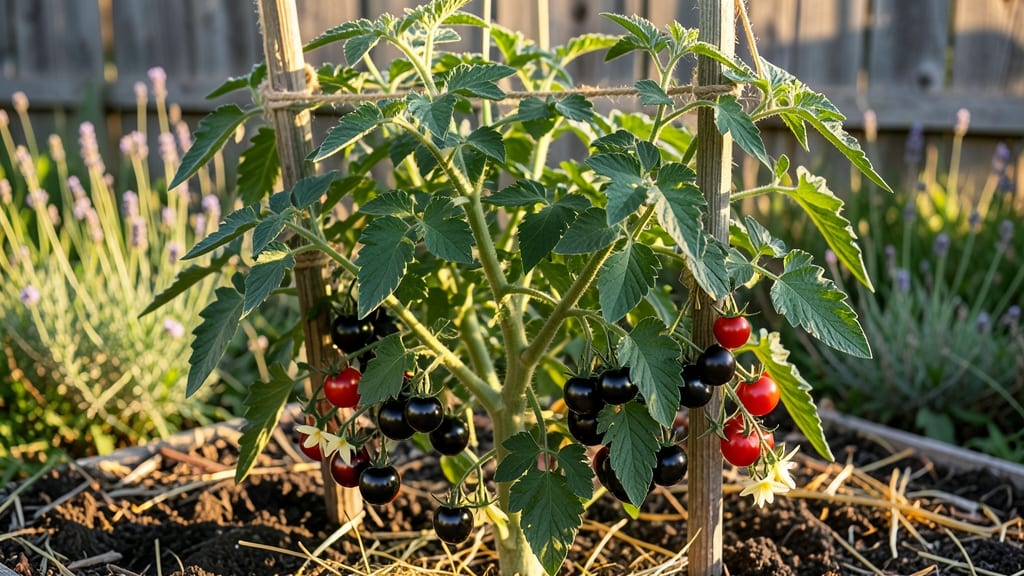
Black cherry tomato plants can reach heights of 4 to 6 feet when left unchecked, but with the right pruning, you can keep them at a more manageable 3 to 4 feet—perfect for containers or small gardens.
If your 🍅 plants are growing wild and producing fewer fruits than expected, proper height management could be the key to unlocking a bountiful harvest—without sacrificing plant health.
These indeterminate varieties grow continuously, so without pruning, they’ll sprawl and divert energy away from fruit production. The good news? A little strategic trimming can boost yield by up to 50% while keeping your plants tidy.
Below, I’ll walk you through the exact pruning techniques to control height, when to do it, and how to support your plants for maximum productivity—no guesswork required.

How tall do black cherry tomatoes grow naturally and why pruning matters
Black cherry tomatoes are indeterminate varieties, meaning they don’t stop growing when they produce fruit. Without intervention, these plants can reach 6 feet or taller, but their natural height range typically falls between 18-36 inches when grown in ideal conditions.
The key to managing this height lies in understanding how the plant allocates its energy between vertical growth and fruit production.
When left unpruned, black cherry tomatoes focus their energy on growing taller and producing more leaves to maximize sunlight exposure. This natural behavior can lead to overcrowded vines and reduced air circulation, which increases the risk of diseases like blight and powdery mildew.
Pruning, however, redirects that energy toward fruit development, resulting in more abundant and healthier harvests.
Why does height matter? Taller plants may seem impressive, but they often struggle with structural integrity, especially in windy conditions or heavy fruit loads. Controlling height through pruning also makes harvesting easier and reduces the risk of breaking stems. The science behind this is simple: when you remove excess growth, the plant shifts its resources from unnecessary foliage to flowering and fruiting, which is what we gardeners really care about.
The natural height of black cherry tomatoes is influenced by several factors, including genetics, growing conditions, and support structures. For example, if you plant your tomatoes in a cage or trellis, they’ll naturally grow taller as they climb.
However, without pruning, this vertical growth can lead to overloaded branches that snap under the weight of too many fruits. I’ve seen this happen in my own garden—last summer, one of my unpruned plants reached nearly 5 feet but produced far fewer tomatoes than my pruned counterparts.
Pruning isn’t just about controlling height; it’s about optimizing plant health. When you remove sucker growth (those small shoots that grow between the main stem and branches), you encourage the plant to focus on producing larger, more flavorful fruits.
This is especially important for black cherry tomatoes, which are known for their sweet, rich flavor. By pruning, you’re essentially telling the plant, “Stop wasting energy on unnecessary growth—let’s make more tomatoes!”
Another critical reason to manage height is space efficiency. In small gardens or containers, unpruned black cherry tomatoes can quickly take over, shading out neighboring plants.
I once tried growing them in a 5-gallon bucket without pruning, and by midsummer, the plant was so dense that the center leaves turned yellow from lack of sunlight. Pruning kept the plant contained while still allowing it to thrive and produce abundantly.
If you’re new to pruning, start with the main stem and focus on removing suckers that are larger than 1/4 inch in diameter. These suckers compete with your main plant for nutrients, so eliminating them early on can make a huge difference in your yield.
I recommend pruning in the morning when the plants are dry, as this reduces the risk of spreading diseases through open wounds.
One common misconception is that pruning will stunt your plant’s growth entirely. That’s not the case! Pruning actually encourages bushier growth by promoting the development of secondary stems. These stems, in turn, produce more flower clusters, leading to a higher number of tomatoes.
Think of it like giving your plant a haircut—it might look different, but it grows back healthier and fuller.
For container gardeners, height control is even more critical. Black cherry tomatoes in pots can become top-heavy and tip over if not pruned regularly. I’ve found that keeping them pruned to 24 inches or less makes them much more stable.
Plus, it’s easier to move containers around if your plants aren’t towering over you! If you’re growing in containers, pair pruning with a sturdy trellis or cage to provide additional support.
Finally, remember that pruning isn’t a one-time task. It’s an ongoing process that should be done weekly during the growing season. Check your plants every 7–10 days for new suckers and remove them promptly.
The more you stay on top of it, the better your harvest will be. With proper pruning, you can enjoy bountiful, easy-to-harvest black cherry tomatoes without the hassle of managing unruly vines.
Step-by-step pruning guide to control black cherry tomato height and increase yield
Pruning your black cherry tomato plants isn't just about keeping them tidy—it's a game-changer for fruit production. These indeterminate varieties naturally grow 6-8 feet tall, but strategic pruning can redirect energy toward bigger, sweeter cherries while controlling unruly height.
The key is timing, technique, and knowing what to cut (and what to keep!).
Start by gathering your tools: sharp pruning shears, sterilized scissors, and a glove to protect against prickly stems. Work on a dry, sunny morning when the plants are actively growing—typically after the last frost and before harvest season kicks in.
This ensures your cuts heal quickly and won’t invite disease.
-
Step 1: Identify Suckers
Locate suckers (small shoots growing between the main stem and branches). These compete for nutrients.
-
Step 2: Remove Suckers Early
Pinch or cut suckers when they're 1-2 inches long to prevent energy drain. Use your fingers or shears for precision.
-
Step 3: Prune Lateral Stems
Leave 1-2 strong lateral stems per main branch. Prune weaker or crowded stems to improve airflow and sunlight.
-
Step 4: Trim Lower Leaves
Remove lower leaves touching soil to reduce disease risk and improve air circulation.
-
Step 5: Support the Plant
Use a stake or trellis to guide growth upward. Tie stems gently with soft plant ties to avoid damage.
-
Step 6: Prune Regularly
Repeat every 2-3 weeks during the growing season. Focus on new suckers and overgrowth near fruit clusters.
-
Step 7: Stop Pruning Late Season
Avoid heavy pruning 4-6 weeks before frost to let the plant ripen remaining fruit.
One of the biggest mistakes gardeners make is over-pruning or cutting into wooden stems. Always prune just above a leaf node or leaf junction to encourage new growth. Another critical error? Ignoring disease signs like yellow leaves or spots—sterilize your tools with rubbing alcohol between cuts to prevent spread.
Proper pruning can increase your black cherry tomato yield by 30-50% while keeping plants at a manageable 4-5 feet tall. Focus on balanced pruning—removing just enough to improve airflow and sunlight without stressing the plant.
With practice, you’ll find the sweet spot between height control and maximum fruit production.
Remember, every cut is an investment in your harvest. By mastering these steps, you’ll transform wild, sprawling vines into productive, well-managed plants that reward you with bountiful black cherries all season long. Happy pruning!