
How To
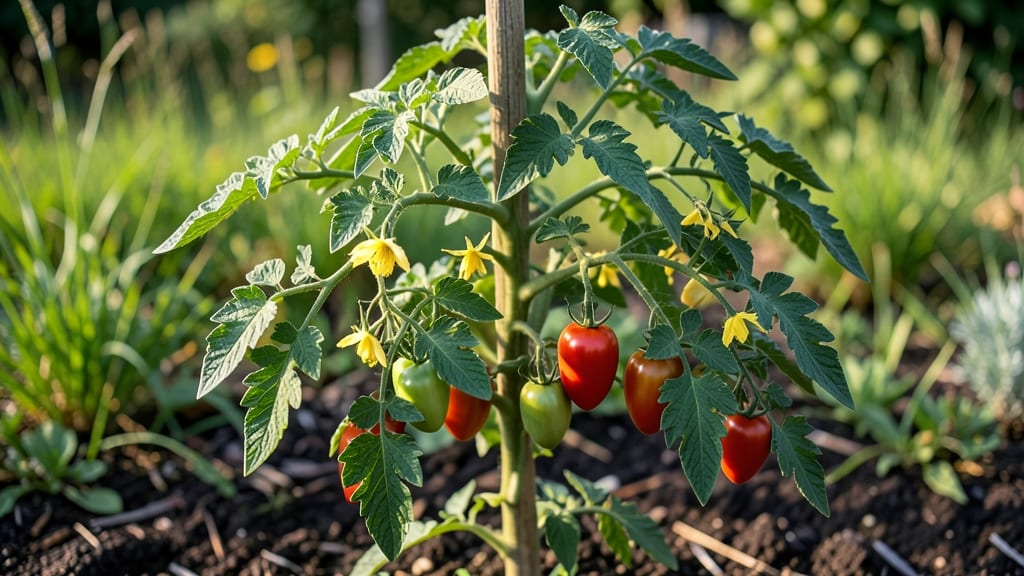
Roma tomato plants get between 3 and 6 feet tall—but their size depends on whether you're growing a compact determinate variety or a sprawling indeterminate one.
If you're planning a small garden or container planting, knowing how tall Roma tomato plants grow can save you from overcrowding—and underwhelming harvests. These versatile varieties pack serious flavor into surprisingly compact spaces, but their growth habits vary dramatically by type.
Determinate Roma tomatoes stay 3 to 4 feet tall and bushy, making them perfect for containers or tight spaces, while indeterminate types can reach 6 feet or more if left unchecked. Without proper support, they’ll sprawl across your garden, stealing sunlight from neighbors.
In this guide, I’ll break down the exact height and spread for popular Roma varieties, plus pruning and trellising tips to keep them in check—no matter how much space you have.
Roma tomato plant size by variety: height and spread comparison
When planning your garden, understanding the mature size of Roma tomato plants is crucial for maximizing space and yield. These varieties come in two main growth habits: determinate (bush-type) and indeterminate (vining).
Determinate plants stay compact, while indeterminate types can grow much taller if left unchecked. Knowing these differences helps you choose the right variety for your container garden or raised bed.
For example, ‘Roma’ (the classic) typically reaches 3-4 feet tall with a spread of 2-3 feet, making it perfect for small spaces. Meanwhile, ‘Plum Regal’ can climb to 6 feet or more without support, requiring a sturdy trellis.
Below, I’ve compared eight popular Roma varieties so you can pick the best fit for your garden layout.
Why size matters: Roma tomatoes need proper spacing to avoid disease and maximize airflow. Crowding leads to blossom end rot and poor fruit development. Indeterminate types also need vertical support to prevent sprawling. Below, I’ll break down each variety’s height, spread, and ideal spacing for your garden plan.
Determinate Roma varieties like ‘Roma’ or ‘Roma Compact’ are ideal for container gardening because they stay under 3 feet tall. These plants produce fruit all at once, making them great for canning or sauces.
In contrast, indeterminate types like ‘Plum Regal’ grow continuously throughout the season, offering a steady harvest—but they need vertical support to thrive.
For small-space gardening, prioritize determinate
How to control Roma tomato plant size naturally (pruning and training guide)
Roma tomato plants can grow 3 to 6 feet tall depending on variety and growing conditions, but their size is highly manageable with the right techniques.
The key to controlling their growth lies in pruning and training, which not only keep plants compact but also boost fruit production by directing energy where it matters most.
Whether you're working with a determinate (bush) or indeterminate (vining) variety, these methods will help you fit them into small spaces without sacrificing yield.
For small gardens or container growing, you’ll want to focus on two main strategies: pruning to control height and trellising to guide growth upward. Indeterminate Roma tomatoes, which grow continuously, benefit most from regular pruning, while determinate types need minimal pruning but still require support to prevent sprawling.
Let’s break down the steps to keep your plants in check while maximizing your harvest.
Step-by-Step Guide to Pruning and Training Roma Tomatoes
- 1 Start with support: Install a trellis or cage at planting time. Use sturdy stakes or a tomato tower for indeterminate varieties to encourage upward growth. For containers, choose a 5-gallon pot with built-in support.
- 2 Prune suckers: Remove suckers (the small shoots that grow in the leaf axils) when they’re 1-2 inches long. Focus on the lower stems first to redirect energy to fruit production. Use clean, sharp pruning shears to avoid damaging the plant.
- 3 Train vines: Gently tie the main stem to the trellis or cage using soft plant ties or old fabric strips. For indeterminate types, prune side shoots to leave only the top 2-3 leaves above a fruit cluster to maintain airflow and reduce disease risk.
- 4 Stop pruning at maturity: For indeterminate varieties, cease heavy pruning when the plant reaches your desired height (typically 4-5 feet). Let the plant focus on fruit production rather than further growth. Determinate types rarely need pruning beyond removing diseased or crowded foliage.
- 5 Harvest regularly: Pick ripe tomatoes every 2-3 days to encourage continuous production. Overripe fruit signals the plant to slow down, so stay on top of harvesting to keep the plant productive and compact.
Timing is everything when it comes to pruning. For indeterminate Roma tomatoes, start pruning suckers when the plant is 12-18 inches tall and continue weekly throughout the growing season.
Avoid pruning during hot afternoons or after heavy rain, as this can stress the plant and invite pests or disease. Instead, choose cool mornings for the best results.
If you're growing Roma tomatoes in containers, pruning becomes even more critical. Since container-grown plants have limited root space, they can’t support excessive foliage or fruit. Limit pruning to removing only the largest suckers and focus on keeping the plant’s height under 3-4 feet for easier maintenance and harvesting.
Use a 5-gallon container with at least 12 inches of depth to accommodate roots and support structures.
Remember, the goal of pruning and training isn’t just to control size—it’s to improve air circulation, reduce disease, and increase fruit quality. With these techniques, you’ll enjoy a bountiful harvest of flavorful Roma tomatoes while keeping your garden tidy and manageable, even in the smallest of spaces.
Happy growing!