
Pests and Diseases
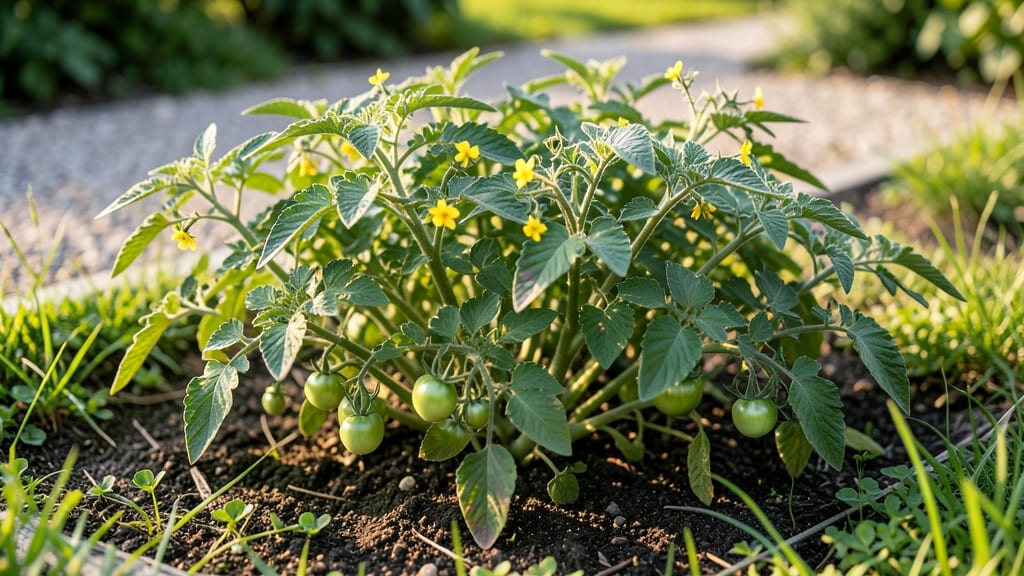
Those sneaky weeds that mimic tomato plants could ruin your harvest if you don't catch them early. 🌱 I've pulled more of these impostors than I'd like to admit—especially the nightshade look-alikes that fool even experienced gardeners at first glance.
The key is learning their subtle differences: leaf shape, growth pattern, and how they smell when crushed. Nightshade weeds (like deadly nightshade) have smooth, oval leaves with a slightly waxy finish, while tomatoes have jagged edges and fuzzy stems.
Volunteer tomatoes from last year's seeds might sprout near your plants, but they'll grow faster and develop that telltale tomato scent when leaves are crushed. Mulching with straw or black plastic blocks most weeds from germinating in the first place.
By mid-summer, you'll spot the difference instantly—healthy tomatoes produce fruit while weeds stay barren. The earlier you remove these impostors, the less they compete with your real plants for nutrients. A quick inspection every 3-4 days keeps your garden weed-free and productive.
This works for backyard gardens, raised beds, and even container gardens. The same principles apply whether you're growing heirlooms or hybrids—just watch for those sneaky look-alikes!
Misidentification Mistakes Explained
When weeds masquerade as tomato plants, the confusion often stems from a mix of visual similarities, growth habits, and even environmental factors. Understanding the root causes—literally and figuratively—can help you spot the difference before these imposters wreak havoc on your garden. Here’s why it happens:
Many weeds and tomato plants share broadleaf structures, making them nearly indistinguishable at first glance. For example:
- Tomato plants typically have serrated (jagged) leaves with a deep, lobed shape, especially on younger growth. Their stems are hairy and often square-shaped when viewed in cross-section.
- Weeds like nightshade (Solanum spp.) mimic this look with smooth-edged or slightly wavy leaves, while purslane has thick, fleshy leaves that can resemble tomato seedlings. Morning glory vines (if climbing your tomatoes) may even produce heart-shaped leaves that fool gardeners into thinking they’re a new tomato variety.
Why it confuses you: Young tomato plants and weeds often emerge at the same time in spring, growing rapidly under warm soil. Without close inspection, their leaf arrangement (phyllotaxy) and stem texture can appear nearly identical until flowers or fruit develop.
Tomatoes belong to the Solanaceae (nightshade) family, which includes several toxic weeds that look eerily similar:
| Plant | Key Difference | Danger Level |
|---|---|---|
| Deadly Nightshade (Atropa belladonna) | Smooth, oval leaves with bell-shaped black flowers; stems are glossy and green. | ⚠️ Extremely poisonous (contains atropine). |
| Horse Nettle (Solanum carolinense) | Spiky green berries and hairy stems; leaves are rougher than tomatoes. | ⚠️ Toxic if ingested. |
| Black Nightshade (Solanum nigrum) | Small, yellow flowers turning into black berries; leaves are softer and more rounded. | ⚠️ Contains solanine (toxic in large amounts). |
Why it happens: These weeds evolved to thrive in the same conditions as tomatoes—sunny, well-drained soil—so they often pop up in the same spots. If you’ve ever composted garden waste or reused contaminated soil, you’ve likely unwittingly planted these lookalikes alongside your tomato seeds.
Weeds that resemble tomatoes often thrive in disturbed or nutrient-rich soil, just like your prized plants. Here’s how conditions play a role:
- Poor seedling spacing: If you sow tomato seeds too closely, weeds like pigweed (Amaranthus) or chickweed can slip in unnoticed, especially in loose, freshly tilled soil.
- Water stress or drought: Both tomatoes and weeds like purslane or prostrate spurge may wilt under heat, making them harder to distinguish until they recover.
- Shade from other plants: Weeds such as ground ivy (Glechoma hederacea) can sprawl under tomato plants, hiding until they bolt upward when pruned or thinned.
Why it happens: Weeds exploit the same moisture and sunlight that tomatoes need. If your garden has high organic matter (from compost or manure), weeds like nightshade or bittersweet nightshade may germinate faster than your tomato seeds, giving them a head start.
Even the most experienced gardeners can accidentally introduce weed mimics. Common mistakes include:
- Using contaminated seeds: Some seed packets may contain volunteer weeds (like jimsonweed) mixed in, especially if sourced from unreliable vendors.
- Transplanting weeds with starter plants: Nursery-bought tomato seedlings can sometimes have hidden weed seedlings clinging to roots or soil.
- Pruning too aggressively: Removing lower leaves from tomato plants can expose weeds hiding beneath, making them more visible only after they’ve established.
Why it happens: Weeds like henbit or common lambsquarters have tiny, wind-dispersed seeds that hitchhike on tools, clothing, or even animal fur. If you’ve moved soil or plants between garden beds, you may have unintentionally relocated these stowaways.
Pro Tip: 💡 Always inspect new plants for unusual leaf patterns or stems with thorns—a dead giveaway for nightshade weeds. If in doubt, pull and test: Crush a leaf between your fingers. Tomato leaves have a mild, grassy scent, while weeds like deadly nightshade emit a bitter, acrid odor.
Quick Fixes for Garden Invaders
Now that you’ve spotted the imposters—whether it’s nightshade, black nightshade, or other lookalikes—it’s time to act fast. The good news? Most of these weeds are manageable with the right approach.
Below, we’ll break down cause-specific solutions, from immediate removal to long-term prevention, so your tomato plants stay the star of the show.
Before you pull anything, double-check what you’re dealing with. Mistaking a weed for a tomato (or vice versa) can cost you your crop!
- Nightshade (Solanum nigrum): Leaves are oval with a pointed tip; berries are green turning black.
- Black Nightshade (Solanum americanum): Similar but with hairier stems and smaller leaves.
- Purslane or Lamb’s Quarters: Check leaf shape and growth habit (purslane is succulent; lamb’s quarters have a "dandelion-like" look).
- Volunteer Tomatoes: If it’s a tomato seedling, it’s not a weed—just thin it out to avoid overcrowding.
Pro Tip: 💡 Use a magnifying glass or plant ID app (like PlantNet) to confirm before acting. Better safe than sorry!
Once you’ve confirmed the culprit, remove it completely—roots and all—to prevent regrowth.
🔪 Hand-Pulling (Best for Small Patches)
- Wait for moist soil (after rain or watering) to make pulling easier.
- Grip the base of the weed and tug gently but firmly. If the root breaks, dig deeper.
- Check for remaining roots—even a tiny piece can sprout again.
- Dispose properly: Don’t compost nightshade weeds (they can regrow). Bag them and toss in the trash.
🍳 Vinegar Spray (For Stubborn Weeds)
If hand-pulling isn’t enough, a homemade vinegar spray works for larger patches:
- Mix 1 gallon of white vinegar + 1 cup salt + 1 tbsp dish soap (as a surfactant).
- Spray directly on leaves (avoid tomatoes—vinegar can harm them too).
- Reapply every 2–3 days until the weed dies (usually 5–7 days).
- Best for: Nightshade, purslane, and other broadleaf weeds.
🪒 Mulching to Block Regrowth
- Apply 2–3 inches of mulch (straw, grass clippings, or shredded leaves) around tomato plants.
- Blocks sunlight, preventing weed seeds from germinating.
- Bonus: Mulch retains moisture and regulates soil temperature—great for tomatoes!
Stop weeds before they start with these low-effort, high-impact tactics.
🌡️ Soil Health = Weed Control
- Improve drainage: Weeds thrive in compacted or waterlogged soil. Amend with compost to encourage strong tomato roots (which outcompete weeds).
- Use organic mulch early: Apply mulch before weeds sprout (late spring) to smother seeds.
- Avoid over-fertilizing: Weeds love rich soil.
Use a balanced fertilizer (like 10-10-10) sparingly.
🎯 Smart Plant Spacing
- Tomatoes need room to breathe! Plant them 18–24 inches apart in rows 3–4 feet apart.
- Thin seedlings early to reduce competition and make weeding easier later.
🚫 Barrier Methods
- Landscape fabric: Lay down perforated fabric before planting, then cover with mulch. This blocks weed seeds while allowing water and roots through.
- Black plastic mulch: Great for early-season weed suppression (remove before tomatoes fruit to avoid soil heating issues).
🌿 Companion Planting
Some plants naturally deter weeds while supporting tomatoes:
- Basil (repels thrips and mosquitoes, shades soil).
- Marigolds (deter nematodes and some weeds).
- Nasturtiums (edible, shade soil, and trap pests).
If weeds keep coming back despite your efforts, consider:
- Pre-emergent herbicides (like corn gluten meal)—apply before planting to prevent seeds from sprouting.
- Boiling water treatment (for stubborn weeds in cracks): Pour slowly to avoid damaging tomatoes.
- Professional help if your garden is overrun (sometimes a fresh perspective helps!).
| Task | When to Do It | How to Do It |
|---|---|---|
| Hand-pull weeds | Weekly, after watering | Grab and tug—check for roots! |
| Apply mulch | Early spring, post-planting | 2–3 inches around plants |
| Spot-treat with vinegar | As needed | Spray on weeds (avoid tomatoes) |
| Inspect new growth | Every 3–5 days | Catch imposters before they spread |
| Replenish mulch | Mid-season | Add more as it breaks down |
Final Thought: 🌱 The key to beating weed lookalikes is consistency. A little effort now saves hours of frustration later—and ensures your tomatoes get all the nutrients (and sunlight) they deserve. Now go forth and claim your garden back!
Frequently asked questions
How can I tell if a young plant is a tomato or a weed?
Check the leaf edges—tomato leaves have jagged, serrated edges while weeds like nightshade have smooth or slightly wavy leaves. Crush a leaf: tomatoes smell mild and grassy, while nightshade emits a bitter, acrid odor. Also look for hairy stems on tomatoes.
Are there any safe weeds that look like tomatoes?
Yes! Volunteer tomato seedlings from last year's seeds are harmless and can even be transplanted. Purslane (with thick, fleshy leaves) is edible and safe, though not related to tomatoes. Always confirm before eating any unknown plant.
Why do nightshade weeds keep coming back after I pull them?
Nightshade weeds spread through tiny seeds that stay dormant in soil for years. To prevent regrowth, remove all roots and avoid composting these weeds. Try mulching with straw or using black plastic to block sunlight from new seeds.
Can I use vinegar to kill weeds without harming my tomatoes?
Only if you're very careful! Mix 1 gallon vinegar + 1 cup salt + 1 tbsp dish soap and spray directly on weeds, avoiding tomato leaves. Apply on windless days and early morning to prevent drift. Test a small area first.
What's the fastest way to prevent weeds from growing near tomatoes?
Apply 2-3 inches of mulch (straw or grass clippings) immediately after planting. This blocks sunlight from weed seeds. For extra protection, use landscape fabric under mulch or try black plastic mulch (remove before fruiting).