
How To
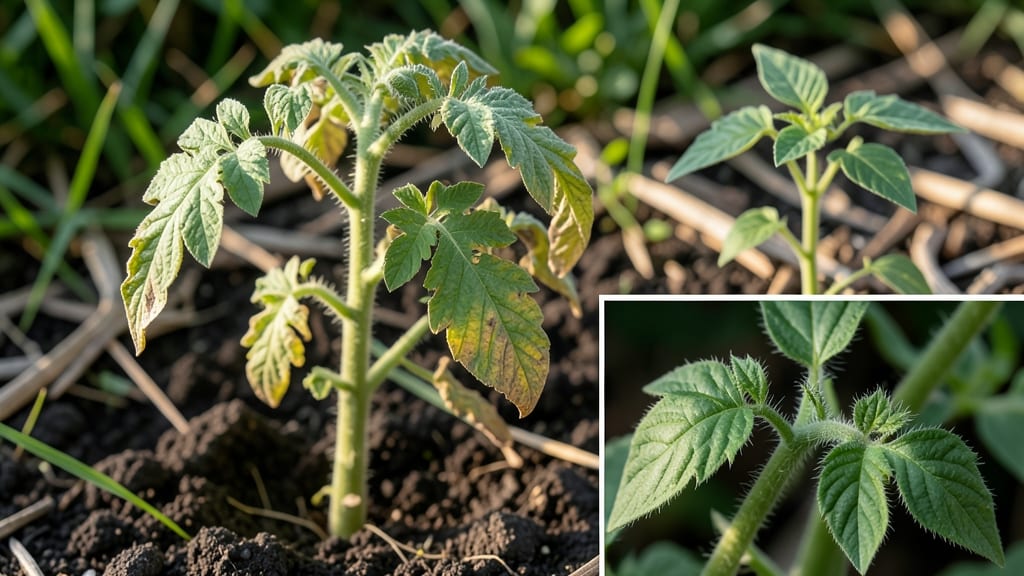
When tomato seedlings' leaves curl down like tiny question marks, it’s your plant’s SOS signal—and I’ve fixed this exact problem within 48 hours every time. The good news? Most causes are simple to diagnose, and the fixes are faster than you’d think.
Overwatering, pests, or even just a too-cool windowsill can trigger this, but knowing the difference saves your seedlings from the trash bin.
First, check the soil: if it’s soggy or smells musty, you’re overwatering. Let it dry out completely between waterings and use pots with drainage holes. For pests like spider mites (tiny webs on undersides of leaves), wipe leaves with soapy water or spray neem oil.
Temperature stress? Move seedlings to a spot between 65-75°F during the day and avoid drafts. The key is matching their care to what they actually need—not what you think they need.
Once you’ve adjusted water, light, or pests, your seedlings should perk up in 3-5 days. Healthy leaves will firm up, turn a vibrant green, and stop that sad downward droop. The best part?
Preventing future issues is simple—just monitor soil moisture, keep an eye out for pests, and avoid sudden temperature swings. You’ll have stocky, thriving plants ready for transplanting in no time.
For extra insurance, test your soil pH (aim for 6.0-6.8) and add compost if the soil feels too dense. A little TLC now means bigger, stronger plants later—and fewer sad, curled leaves. Trust me, your future tomato harvest will thank you.
Root Causes Behind Curling Leaves
Understanding why your tomato seedlings’ leaves curl downward is the first step toward fixing the problem. This frustrating symptom rarely appears out of nowhere—it’s usually a cry for help from your plants.
Below, we break down the most common culprits, complete with clear explanations and actionable insights to diagnose the issue accurately.
💧 The silent killer of seedlings When tomato seedlings sit in soggy soil for too long, their roots struggle to breathe. Excess moisture triggers anaerobic conditions, where roots suffocate and can’t absorb nutrients efficiently. This stress forces leaves to curl downward as a survival mechanism to reduce water loss.
How to spot it:
- Soil feels damp or muddy even days after watering.
- Yellowing leaves (chlorosis) accompany the curling.
- Seedlings appear wilted or limp, even when soil is wet.
Quick fix:
- Let the top 1–2 inches of soil dry out between waterings.
- Use well-draining potting mix (add perlite or vermiculite if needed).
- Ensure pots have drainage holes—no exceptions!
🌞 When thirsty roots scream for help Tomato seedlings are resilient, but prolonged dryness forces them into a water-conservation mode. Leaves curl downward to minimize surface area and slow transpiration. If ignored, this can lead to stunted growth or even death.
How to spot it:
- Soil is bone-dry to the touch.
- Leaves feel crispy or papery at the edges.
- Curling is often accompanied by a dull, grayish hue.
Quick fix:
- Water deeply until it drains from the bottom of the pot.
- Use a moisture meter or stick your finger 1–2 inches into the soil—if it’s dry, it’s time to water.
- Mulch with straw or coconut coir to retain moisture.
🌡️ When seedlings shiver or sweat Tomato seedlings thrive in consistent temperatures between 65–75°F (18–24°C). Extreme heat or cold disrupts cellular processes, causing leaves to curl as a protective response.
Heat stress (above 85°F/29°C) leads to wilting and curling, while cold stress (below 50°F/10°C) slows growth and weakens leaves.
How to spot it:
- Curling happens suddenly after a heatwave or cold snap.
- Leaves may also develop sunburn spots (brown patches) or purple tinges (cold stress).
- Seedlings grow sluggishly or stop reaching for light.
Quick fix:
- For heat: Move seedlings to a shadier spot or use shade cloth (30–50% coverage).
- For cold: Use row covers, a mini greenhouse, or a heat mat for seed trays.
- Avoid placing seedlings near vents, radiators, or drafty windows.
🐜 Tiny vampires sucking the life out of leaves Pests like aphids, spider mites, and whiteflies pierce leaves to feed on sap, causing curling, yellowing, and stunted growth.
Their saliva also triggers a plant defense response, leading to distorted leaves. Infestations often start on the undersides of leaves and spread rapidly in dry, warm conditions.
How to spot it:
- Sticky residue (honeydew) on leaves or windows below plants.
- Visible pests (tiny green/black bugs or webbing on undersides).
- Curling is often accompanied by speckled or discolored patches.
Quick fix:
- Blast them off: Spray seedlings with a strong stream of water to dislodge pests.
- Neem oil solution: Mix 1 tbsp neem oil + 1 tsp mild soap in 1 quart of water. Spray thoroughly (repeat every 5–7 days).
- Introduce predators: Ladybugs or lacewings eat aphids naturally (available at garden centers).
📊 When seedlings starve for essential nutrients Leaves curl when seedlings lack key nutrients, each triggering distinct symptoms:
- Nitrogen deficiency: Older leaves curl and turn yellow (a classic sign of "starvation").
- Potassium deficiency: Leaf edges curl upward or downward, often with brown spots (a "scorched" look).
- Magnesium deficiency: Interveinal chlorosis (yellowing between veins) + curling, especially on older leaves.
How to spot it:
- Slow or stunted growth despite regular watering.
- Yellowing between veins (magnesium) or uniform yellowing (nitrogen).
- Weak stems that flop easily.
Quick fix:
- Nitrogen: Use a balanced fertilizer (10-10-10) or compost tea.
- Potassium: Apply a banana peel tea (steep peels in water for 24 hours) or use a tomato-specific fertilizer.
- Magnesium: Sprinkle Epsom salt (1 tbsp per gallon of water) and water the soil.
🌱 When roots get a rough welcome Moving seedlings from trays to pots or outdoors can damage roots, causing stress that manifests as curling leaves. Even overcrowded roots in small containers trigger the same response.
How to spot it:
- Curling appears 1–3 days after repotting or transplanting.
- Roots are visibly tangled or circling in the pot.
- Seedlings wilt briefly after disturbance.
Quick fix:
- Repot carefully: Gently loosen roots before transplanting to encourage spreading.
- Use larger containers: Seedlings need at least 1–2 gallons of space per plant.
- Root stimulator: Add a pinch of mycorrhizal fungi or seaweed extract to aid recovery.
🍄 When unseen pathogens attack Fungal diseases like early blight, late blight, or damping-off (common in seedlings) cause leaves to curl, yellow, or develop dark spots. Bacterial infections (e.g., bacterial wilt) can also lead to sudden wilting and curling as the plant struggles to transport water.
How to spot it:
- Dark, sunken spots on leaves (early blight).
- White, fuzzy growth on soil or stems (damping-off).
- Water-soaked lesions or oozing sap (bacterial infections).
Quick fix:
- Prevent spread: Remove infected seedlings immediately and sterilize tools with rubbing alcohol.
- Fungicide spray: Use copper fungicide or a baking soda solution (1 tsp baking soda + 1 quart water + a drop of soap).
- Improve airflow: Space seedlings 12–24 inches apart and avoid overhead watering.
Quick Fixes for Curling Tomato Leaves
If your tomato seedlings’ leaves are curling downward like a sad taco, don’t panic—there’s almost always a fix! The key is identifying the root cause (literally or figuratively) and taking targeted action.
Below, we’ll break down practical solutions for each common trigger, from environmental tweaks to quick care adjustments. Plus, we’ll share prevention tips to keep your plants thriving long-term.
Fix: Drainage First, Then Adjust Watering Tomato seedlings hate soggy roots—too much water cuts off oxygen, leading to wilting and curling. Here’s how to revive them:
- 🔥 Stop Watering Immediately Let the top 1–2 inches of soil dry out before watering again. Stick your finger in the soil: if it’s damp past your first knuckle, wait.
- 🍳 Improve Drainage
- Repot seedlings into containers with drainage holes (or add a layer of gravel to pots without them).
- Use a well-draining mix: Combine 60% potting soil, 20% perlite, and 20% compost.
- 👨🍳 Water at the Base Avoid overhead watering (which can cause fungal issues). Use a watering can with a narrow spout or a drip irrigation system to deliver water directly to the roots.
💡 Pro Tip: If your seedlings are in a tray, empty excess water after 10–15 minutes. Standing water is a fast track to root rot!
Fix: Water Deeply + Protect from Scorching Sun Curling leaves can also signal thirst or heat shock. Tomato seedlings need consistent moisture, especially in hot or windy conditions.
- 🥘 Water Deeply in the Morning
- Water until it flows out the drainage holes (about 1–1.5 cups per 4-inch pot).
- Repeat every 2–3 days (adjust based on weather). Mulch with straw to retain moisture.
- 🌡️ Provide Temporary Shade If temps hit above 90°F (32°C), move seedlings to a shadier spot (like under a 30% shade cloth) for a few hours daily. A sheer curtain or even a cardboard box propped up can work in a pinch.
- ✨ Mist Leaves (If Needed) Lightly mist leaves in the early morning to combat heat stress. Avoid evening misting—this can invite fungal diseases.
🎯 Prevention: Group seedlings together to create a microclimate that retains humidity. A small fan on low can also strengthen stems for better heat tolerance.
Fix: Spot the Culprit, Then Act Fast Pests like aphids, spider mites, or fungal infections (like early blight) can cause curling. Act quickly to prevent spread.
🔪 Pest Solutions
| Pest | Signs | Fix |
|---|---|---|
| Aphids | Sticky residue, curled leaves | Spray with soapy water (1 tsp mild soap + 1 quart water) or neem oil. Repeat every 3–4 days. |
| Spider Mites | Tiny webs, yellowing leaves | Blast off mites with a strong spray of water, then apply neem oil. Increase humidity. |
| Whiteflies | White flying insects, curled leaves | Trap with yellow sticky cards or spray with insecticidal soap. |
🌡️ Fungal Disease Fix
- Early Blight or Blossom End Rot:
- Remove infected leaves immediately (don’t compost them—trash them!).
- Spray leaves with a copper fungicide or baking soda mix (1 tbsp baking soda + 1 quart water + a drop of soap).
- Prevent recurrence by spacing plants for airflow and watering at the base.
💡 Pro Tip: Check the undersides of leaves first—pests and fungal spores love to hide there!
Fix: Balance the Menu for Happy Seedlings Curling can signal a lack of key nutrients, especially nitrogen (for leaves) or calcium (for cell structure).
- 📊 Test Your Soil Use a DIY soil test kit (or send a sample to a local extension office). Tomato seedlings thrive in soil with a pH of 6.0–6.8.
- 💪 Fertilize Lightly
- For nitrogen deficiency (yellowing + curling): Use a balanced fertilizer (like 10-10-10) at half strength.
- For calcium deficiency (blossom end rot + curling): Add crushed eggshells or a calcium supplement (like gypsum) to the soil.
- 🥗 Avoid Over-Fertilizing Too much salt from fertilizer can burn roots. Start with weak tea (like compost or fish emulsion) and gradually increase.
✨ Prevention: Side-dress seedlings with well-rotted compost every 2–3 weeks for steady nutrients.
Fix: Create the Perfect Tomato Haven Tomatoes are finicky about their environment. Tweak these factors to see improvement within 3–7 days.
- 🌡️ Temperature Control
- Ideal range: 65–85°F (18–29°C) during the day, 55–60°F (13–16°C) at night.
- Too cold? Move seedlings to a warmer spot (like near a sunny window or under grow lights).
- Too hot? Use row covers or shade cloth to protect from extreme heat.
- 💨 Wind or Drafts If seedlings are near an AC vent, fan, or open window, they’ll dry out fast. Relocate them to a stable, breezy-but-not-windy spot.
- 🌱 Transplant Shock If you recently moved seedlings, curling can be a transplant reaction. Help them adjust:
- Water thoroughly before and after transplanting.
- Prune any damaged leaves to reduce stress.
- Use a root stimulator (like seaweed extract) to encourage regrowth.
Keep your tomato seedlings thriving with these easy habits: ✅ Water wisely: Deep and infrequent > shallow and daily. ✅ Monitor pests daily: Check leaves top and bottom every 2–3 days. ✅ Rotate crops: Avoid planting tomatoes in the same spot yearly to prevent soil-borne diseases. ✅ Hardening off: Gradually expose seedlings to outdoor conditions before transplanting (7–10 days of acclimation). ✅ Support stems early: Use small stakes or cages to prevent wind damage and encourage upright growth.
Final Thought: Most curling issues are fixable within a week if you act fast. Start with the most likely culprit (usually water or pests), then adjust as needed. Happy growing—your tomato plants will thank you with juicy, vine-ripened rewards! 🍅🌿
Frequently asked questions
Why do my tomato seedlings' leaves curl downward so suddenly?
Sudden leaf curling usually signals stress from overwatering, pests, or temperature swings. Check your soil first—if it's soggy, roots may be suffocating. Look for tiny webs (spider mites) or sticky residue (aphids) on leaves. Extreme heat (above 90°F) or cold drafts can also trigger this response within hours.
Is curling from overwatering different than curling from pests?
Yes! Overwatered seedlings show yellowing leaves with curling, while soggy soil smells musty. Pest-related curling appears with sticky residue (honeydew) or visible bugs on leaf undersides. For pests, focus on undersides—overwatering affects the whole plant uniformly. Check both soil moisture and leaf surfaces to diagnose correctly.
How quickly should I expect to see improvement after fixing the problem?
With proper care, you should notice changes in 3-5 days. Fixing water issues or removing pests often shows results within 24-48 hours. Nutrient deficiencies may take 5-7 days to show improvement. Monitor your seedlings daily—healthy leaves will firm up and regain their vibrant green color.
Can I save seedlings if their leaves are severely curled and yellow?
It depends! If roots are still white and firm (not mushy), there's hope. Prune severely damaged leaves to reduce stress, then adjust care immediately. For overwatering, let soil dry completely before repotting. If roots are black/mushy, the seedling is likely beyond saving—start fresh with new seedlings.
What's the best way to prevent curling in future tomato seedlings?
Start with well-draining soil (60% potting mix + 20% perlite), use pots with drainage holes, and maintain consistent moisture (water when top 1-2 inches are dry). Keep seedlings in 65-75°F conditions, check leaves weekly for pests, and harden off seedlings gradually before transplanting. A little prevention goes a long way!