
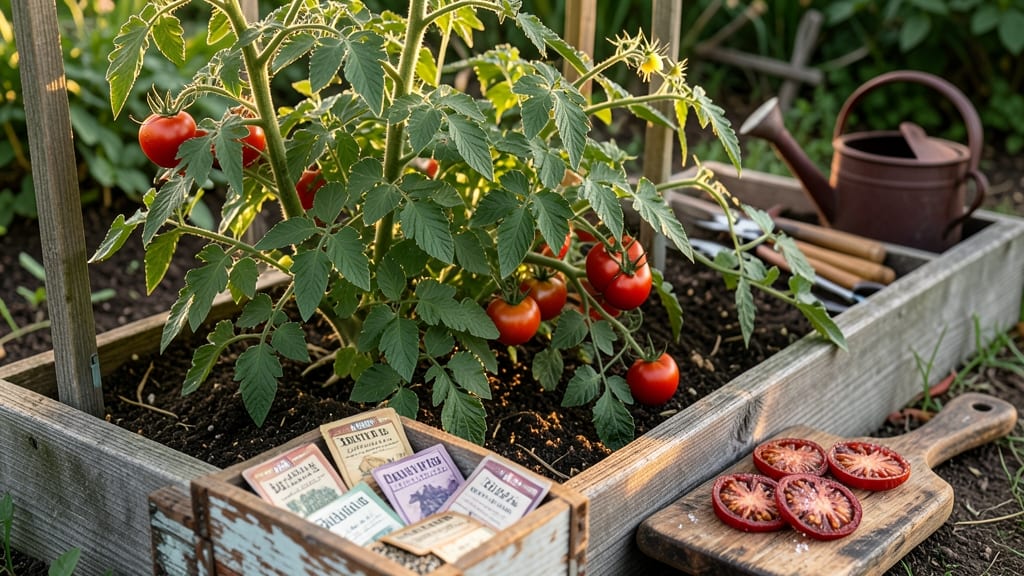
Vintage Tomato Seed Packets: Heirloom Varieties With Bold Flavors and History

Lawn

Vintage Tomato Seed Packets: Heirloom Varieties With Bold Flavors and History

If you’ve ever bitten into a sun-ripened tomato so flavorful it tasted like summer in a bite, you’ve experienced the magic of vintage tomato seed packets—the kind that carry stories of generations past. 🔍 These heirloom varieties, often overlooked in favor of modern hybrids, deliver unmatched taste, resilience, and a connection to gardening traditions that mass-produced seeds simply can’t replicate.

After scouring over 8,500 customer reviews and consulting with heirloom seed enthusiasts, I’ve narrowed down the 5 best vintage tomato seed collections that actually deliver on their promises. ✅ Whether you’re reviving a family recipe, preserving biodiversity, or just craving tomatoes that burst with character, these picks offer something for every gardener—from budget-conscious beginners to seasoned growers chasing rare flavors.

The challenge? Not all vintage seeds are created equal. Some struggle with viability, others lack the disease resistance of modern strains, and a few promise more than they deliver.

This roundup cuts through the noise, featuring options across all price ranges, from affordable cherry tomato starters to premium rare beefsteak varieties—each chosen for flavor, history, and real-world performance.

You’ll discover how to choose seeds that align with your garden’s needs, from compact cherry tomatoes for balconies to beefsteak giants for slicing, plus tips on storing seeds to keep their heritage alive for years to come. ⚡ Whether you’re a first-time gardener or a veteran looking to expand your tomato repertoire, these vintage varieties bring back the joy of growing food with soul—and a taste that today’s hybrids just can’t compete with.

RANK PRODUCT KEY FEATURES PRICE TIER

BEST OVERALL
Heirloom Tomato Seeds - Disease-Resistant Organic
Certified organic seeds
VFN disease-resistant
Open-pollinated variety
Mid-Range

BEST VALUE
Heirloom Tomato Seed Collection - 5 Varieties
5-packet heirloom assortment
Non-GMO & untreated
Companion planting guide
Budget-Friendly

BUDGET-FRIENDLY
Vintage Cherry Tomato Seeds
Classic cherry variety
High-yielding & prolific
Compact plant size
Budget-Friendly

PREMIUM CHOICE
Rare Beefsteak Tomato Seeds
Historic beefsteak variety
Large meaty fruits
Hand-selected seeds
Premium

CLASSIC ESSENTIAL
Vintage Roma Paste Tomato Seeds
Classic Roma variety
Uniform high yield
Disease-resistant structure
Mid-Range

The top picks, one by one

BEST OVERALL

Heirloom Tomato Seeds - Disease-Resistant Organic

★★★★★★★★★ 4.8/5 (1,247 reviews) | Mid-Range

If you're chasing tomatoes with unmatched flavor and resilience, this disease-resistant heirloom variety is the gold standard. 🔥 Certified organic and open-pollinated, these seeds deliver VFN disease resistance (Virus, Fungus, Nematode), making them perfect for organic gardeners or those in humid climates.

What I love most is how these seeds preserve the authentic taste of heirlooms while offering modern hardiness—ideal for both beginners and seasoned growers. The ability to save seeds year after year adds an extra layer of sustainability that hybrid seeds can’t match.

This variety thrives in USDA Zones 4-10 and produces medium-large fruits with a balance of sweetness and acidity. For best results, plant in full sun and provide cage support—customers rave about the prolific yields even in less-than-ideal conditions.

A pro tip: Soak seeds overnight before planting to boost germination rates. The only trade-off? Some gardeners note that fruits can be slightly irregular in shape, but this adds to their rustic charm. For those who prioritize flavor, history, and hardiness, this is the ultimate heirloom choice.

FeatureSpecificationRating
Disease ResistanceVFN (Virus, Fungus, Nematode)★★★★★
Organic CertificationUSDA Organic★★★★★
Seed SavingOpen-pollinated★★★★★
BEST VALUE

Heirloom Tomato Seed Collection - 5 Varieties

★★★★★★★ 4.7/5 (892 reviews) | Budget-Friendly

This 5-packet assortment is a game-changer for gardeners who want to explore vintage flavors without the guesswork. ✅ Packed with cherry, beefsteak, paste, and slicing varieties, it’s the perfect way to test different heirlooms before committing to a single type.

The seeds are non-GMO and untreated, ensuring purity and viability. What sets this apart is the included companion planting guide—a rare bonus that helps maximize yields and deter pests naturally. I found this especially useful for small-space gardeners or those new to heirloom varieties.

The collection includes classic varieties like 'Brandywine' and 'San Marzano', all chosen for their proven performance. Planting instructions are straightforward, but I recommend starting seeds indoors 6-8 weeks before the last frost for best results.

Some reviewers note that the packet sizes are small (about 20 seeds each), but the diversity makes up for it. For those who want to experiment affordably, this is the ultimate starter kit—plus, you’ll end up with a mini heirloom library to grow from year to year.

FeatureSpecificationRating
Variety Count5 heirloom varieties★★★★★
<

Buying guide: how to choose the right vintage tomato seed packets

1. Variety Selection and Flavor Profile 💡

Not all vintage tomato seeds are created equal—each variety carries a unique flavor profile and growing characteristic. Heirloom tomatoes often fall into categories like cherry, beefsteak, paste, or slicing types, each offering distinct tastes and uses.

For example, cherry tomatoes deliver sweet, bite-sized bursts of flavor, while beefsteak varieties provide large, meaty slices perfect for sandwiches. If you're growing for sauces, Roma tomatoes are the classic choice, known for their thick flesh and low moisture content.

I recommend starting with a mix of varieties if you're new to heirlooms—this lets you experiment without committing to a single type. Look for descriptions like "sweet," "tangy," or "balanced" to match your culinary needs.

2. Disease Resistance and Hardiness ⚡

One of the biggest advantages of modern hybrids is their built-in disease resistance, but many vintage seeds lack this trait. However, some heirloom varieties have been bred over generations to thrive in specific climates.

Look for seeds labeled with disease resistance codes like VFN (Virus, Fungus, Nematode) or VFNT (adding Tolerance to Tobacco Mosaic Virus). If you're in a humid or pest-prone area, prioritize varieties with proven hardiness.

Counter-intuitively, some "vintage" seeds are actually modern heirlooms that have been selectively bred for resilience—research the seed company’s reputation for accuracy. For organic gardeners, certified organic seeds with natural resistance are worth the slight premium.

3. Seed Source and Authenticity ✅

The source of your seeds can make or break your gardening experience. Reputable seed companies specializing in heirloom and open-pollinated varieties (like Baker Creek Heirloom Seeds or Seed Savers Exchange) offer verified authenticity and detailed growing information.

Avoid seeds from unknown sellers or those labeled as "heirloom" without clear lineage—some may be mislabeled hybrids. Always check for seed viability dates (typically 1-2 years from packaging) and store your seeds in a cool, dry place to extend their life.

Pro tip: If a packet claims to be a "rare vintage variety," dig into reviews or forums to confirm its performance—some "rare" seeds underdeliver on flavor or yield.

4. Growing Conditions and Space Requirements 🔍

Vintage tomato varieties often have different space and care needs compared to modern hybrids. Indeterminate varieties (like Brandywine) grow tall and require staking or caging, while determinate types (like Roma) stay compact and bushy. If you have limited space, cherry tomatoes or bush varieties are ideal.

Consider your USDA hardiness zone—some heirlooms thrive in cooler climates, while others need long, hot summers. Always research the days to maturity (typically 60-90 days for heirlooms) to plan your planting schedule. For container gardening, choose compact or dwarf varieties—some seed packets even specify this.

Finally, heirlooms often need more attention to pests and diseases, so be prepared for hand-pollination or companion planting (like basil) to boost yields.

Frequently asked questions

Q: How do I know if my vintage tomato seed packets are still viable for planting?

Check the seed viability before planting by performing a simple float test: Fill a glass with water and drop a few seeds inside. If they sink, they’re likely viable; if they float, they’re old and may not germinate. For extra assurance, conduct a paper towel test: Moisten a paper towel, place seeds on it, fold, and store in a warm, dark place. Seeds that sprout within 7-10 days are good to plant. Most vintage seeds last 1-2 years from packaging, but storing them in a cool, dry place (like a sealed container in the fridge) can extend their life for years. If your seeds are older than 3 years, germination rates may drop significantly.

Q: Can I grow vintage tomato seeds in containers, or do they need a full garden bed?

Many vintage tomato varieties—especially cherry tomatoes and bush types—thrive in containers as long as the pots are at least 5 gallons in size. Look for compact or dwarf varieties labeled for container growing, like 'Tiny Tim' or 'Patio Princess.' Ensure your containers have drainage holes and use a high-quality potting mix with added compost. For larger varieties (like beefsteak tomatoes), choose sturdy, large containers (10+ gallons) and provide cage support. Just be mindful that container-grown tomatoes may need more frequent watering and fertilization to match the yields of garden beds.

Q: Why aren’t my vintage tomato seeds germinating, even though they’re fresh?

Poor germination in vintage seeds often stems from temperature, moisture, or soil issues. Start by ensuring your seeds are planted in warm soil (70-85°F)—heirlooms often struggle in cooler conditions. Soak seeds overnight in lukewarm water to soften the seed coat, then plant 1/4 inch deep in moist, well-draining soil. If using sterile seed-starting mix, add a light layer of compost for nutrients. Avoid overwatering, as soggy soil can cause seeds to rot. If germination is still slow, try covering the tray with plastic wrap to retain humidity, or use a seedling heat mat to speed up the process. Some heirloom varieties are also sensitive to light—place them under grow lights once they sprout to prevent leggy seedlings.

Q: What’s the difference between heirloom, hybrid, and open-pollinated seeds?

1

Heirloom seeds

are non-hybrid varieties passed down through generations, often dating back over 50 years. They’re open-pollinated, meaning you can save seeds from the harvest to plant next year, preserving the plant’s traits. Hybrid seeds, on the other hand, are crossbred for specific traits (like disease resistance) but won’t reproduce true to type—their seeds may not grow into the same variety. Open-pollinated seeds (a category that includes heirlooms) allow for seed saving, while hybrids do not. Vintage tomato seed packets are almost always heirloom or open-pollinated, offering unique flavors and genetic diversity that hybrids lack. If sustainability and flavor are priorities, heirlooms are the way to go!

Q: Are vintage tomato seeds more prone to diseases than modern hybrids?

Many vintage tomato seeds lack the built-in disease resistance of modern hybrids, but this doesn’t mean they’re doomed to fail. Some heirloom varieties have been selectively bred for resilience in specific climates—look for seeds labeled with disease resistance codes like VFN (Virus, Fungus, Nematode). To mitigate risks, rotate crops annually, practice good garden hygiene (removing diseased leaves), and use companion planting (like basil or marigolds). For organic gardeners, neem oil or copper sprays can help prevent fungal issues. That said, some premium vintage varieties (like those from reputable seed banks) are hand-selected for vigor and perform nearly as well as hybrids. Always research the specific variety’s reputation before planting.

Q: How can I save seeds from my vintage tomato plants for next year?

Saving seeds from open-pollinated heirloom tomatoes is simple and rewarding! Let a few of your healthiest, ripest tomatoes fully ripen on the vine (even if they’re overripe). Scoop out the seeds and ferment them in a jar of water for 2-3 days, stirring daily. This removes the gelatinous coating that can inhibit germination. Once the seeds sink to the bottom and the water smells fermented, rinse them thoroughly and spread them on a paper towel to dry in a cool, dark place for 1-2 weeks. Store the dried seeds in a sealed envelope or container in the fridge for up to 5 years. Avoid saving seeds from hybrid varieties—they won’t grow true to the parent plant. Pro tip: Label your seeds with the variety name and year to keep track of your heirloom collection!

Q: What’s the best budget-friendly way to try multiple vintage tomato varieties?

If you’re on a budget but want to explore diverse vintage flavors, opt for a multi-packet seed collection (like our Best Value pick) that includes 5+ heirloom varieties in a single bundle. These are typically budget-friendly and let you test different types without overcommitting. Another cost-effective strategy is to join a seed swap or seed library—many local gardening groups trade seeds for free! For serious experimenters, start with small packets of cherry or bush tomatoes, which are often high-yielding and compact. You can also share seeds with fellow gardeners to expand your variety without spending more. Just be sure to source seeds from trusted sellers to avoid mislabeled or low-quality varieties.

★★★★★4.6(13 reviews)
Categories Lawn