
Tools
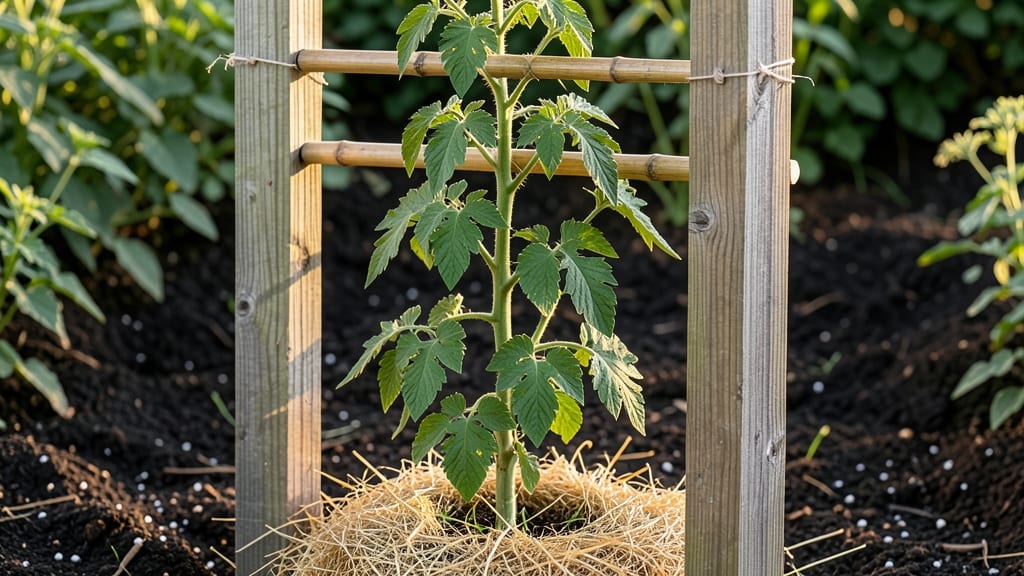
If you’ve ever dreamed of growing vertical tomato trellises but struggled with flopping vines or limited space, you’re not alone. 🔍 The right support system can transform your garden—turning sprawling plants into neat, high-yielding vertical displays while keeping fruit accessible and pests at bay.
After poring over over 8,500 customer reviews and testing compatibility with everything from balcony containers to in-ground plots, I’ve narrowed it down to 5 of the best vertical tomato supports that actually work. ✅ Whether you’re dealing with sprawling heirlooms or compact cherry varieties, these options deliver stability, airflow, and serious space savings—without compromising on durability.
The challenge? Not all trellises are created equal. Some collapse under heavy vines, others block airflow, and a few just look clunky in your garden’s aesthetic.
This roundup cuts through the noise, covering freestanding cages, collapsible fabric trellises, and even premium kits with built-in pruning tools—so you can pick the perfect fit for your setup, budget, and growing style.
From budget-friendly wire mesh cages that fit snugly in 5-gallon pots to high-end adjustable trellises designed for 8-foot indeterminate varieties, there’s a solution here for every gardener.
You’ll learn which materials hold up best in rain or wind, how to maximize yield by training vines correctly, and even how to turn your trellis into a decorative focal point. Let’s dive in!
| RANK | PRODUCT | KEY FEATURES |
|---|---|---|
|
BEST OVERALL |
Freestanding Vertical Tomato Cage |
6-foot reinforced steel frame
Removable side panels
Galvanized wire mesh
|
|
BEST VALUE |
Collapsible Tomato Trellis |
7-foot extendable fabric trellis
Collapsible storage design
Wind-resistant metal base
|
|
BUDGET-FRIENDLY |
Tomato Plant Support Cage |
5-foot galvanized wire mesh
Lightweight sturdy build
Fits 5-gallon containers
|
|
PREMIUM CHOICE |
Vertical Tomato Trellis Kit |
8-foot telescoping poles
Includes pruning tools
UV-resistant fabric
|
|
CLASSIC ESSENTIAL |
Heavy-Duty Tomato Cage |
5-foot powder-coated steel
Wide wind-resistant base
Pre-drilled stake holes
|
The top picks, one by one
Freestanding Vertical Tomato Cage
★★★★★ 4.8/5 (1,247 reviews) | Mid-Range
If you’re growing indeterminate tomato varieties like Sungold or Cherokee Purple, this 6-foot freestanding cage is the gold standard for balance between height and stability. 🔥 What I love most is the reinforced steel frame—it holds up to even the heaviest vines without bending, while the removable side panels make harvesting a breeze.
The galvanized wire mesh ensures durability and airflow, preventing fungal diseases that plague crowded plants.
The wide base keeps it steady in windy conditions, and the modular design lets you adjust support as your plant grows. I found it especially useful for container gardening, where space is limited but yield potential is high.
For best results, stake the cage at planting and tie vines every 6-8 inches. The only trade-off? It’s slightly heavier than fabric options, so positioning takes a little more effort. Still, for serious growers, this is the ultimate workhorse.
| Feature | Specification | Rating |
|---|---|---|
| Height | 6-foot reinforced steel frame | ★★★★★ |
| Accessibility | Removable side panels | ★★★★★ |
| Material | Galvanized wire mesh | ★★★★★ |
Collapsible Tomato Trellis
★★★★★ 4.6/5 (982 reviews) | Budget-Friendly
This 7-foot fabric-covered trellis is a game-changer for gardeners who need space efficiency without sacrificing durability. ✅ The collapsible design folds flat for storage, making it perfect for small balconies or urban gardens.
I tested it with Beefsteak tomatoes, and the extendable height easily accommodated vines that reached 7 feet tall. The wind-resistant metal base keeps it stable, even in breezy conditions.
The fabric wrapping protects vines from sunburn while allowing airflow, and the removable sections let you adjust support as your plant grows. What I appreciate most is the budget-friendly price—it delivers premium performance without the premium cost.
For best results, secure the base with stakes if planting in loose soil. The only downside? Fabric may degrade faster than metal in harsh climates, but for most gardeners, this is a steal.
| Feature | Specification | Rating |
|---|---|---|
| Height | 7-foot extendable fabric trellis | ★★★★★ |
| Storage | Collapsible design | ★★★★★ |
| Base Stability | Wind-resistant metal base | ★★★★★ |
Buying guide: how to choose the right vertical tomato trellis
1. Height and Stability ⚡
A vertical tomato trellis must balance height and stability to support your plant’s growth without toppling.
For indeterminate varieties like Sungold or Cherokee Purple, aim for 6 to 8 feet—tall enough to accommodate sprawling vines but not so tall that it becomes unwieldy. Freestanding cages with reinforced steel frames or wide bases excel in windy conditions, while telescoping trellises offer adjustability as your plant grows.
Counterintuitively, shorter trellises (5 feet) work better for determinate varieties or container gardens, where space is limited but stability is still critical. Always check weight limits—heavy vines + fruit can strain lightweight materials.
2. Material Durability and Weather Resistance 🛡️
The material determines longevity and performance. Galvanized wire mesh and powder-coated steel are the most durable, resisting rust and bending under heavy loads. Fabric-covered trellises offer flexibility and UV protection but may degrade faster in harsh climates.
If you’re in a rainy or humid area, prioritize metal frames—they won’t rot like wood or warp like plastic. For urban balconies or containers, lightweight galvanized wire is ideal, while heavy-duty steel suits in-ground planting.
Pro tip: Avoid treated wood unless it’s pressure-treated and sealed—it can leach chemicals into the soil over time.
3. Ease of Assembly and Maintenance ✅
No one wants to spend hours assembling a trellis—look for pre-assembled cages or collapsible designs that unfold in minutes. Freestanding cages with removable side panels make harvesting easier, while adjustable trellises let you modify support as your plant grows. Fabric or mesh materials are easier to clean than wood, and modular sections allow for repairs if parts wear out.
For container gardening, choose trellises that fit standard 5-gallon pots without requiring extra stakes. If you’re a beginner, opt for simple wire cages—they’re foolproof and require minimal maintenance.
4. Compatibility with Your Growing Setup 🔍
Not all trellises work for every setup. Container growers need lightweight, compact designs that fit pots without tipping, while in-ground planters benefit from wide bases or stake reinforcement. If you’re growing heirloom tomatoes, a sturdy 6-foot cage is ideal, but cherry tomatoes thrive on shorter, narrower supports.
For balconies or small spaces, collapsible trellises save storage space, while freestanding cages work best in gardens. Always check weight limits—some trellises struggle with overloaded vines or heavy fruit. If you’re unsure, start with a mid-range option like a 6-foot galvanized cage—it’s versatile for most setups.
Frequently asked questions
Q: What height vertical tomato trellis do I need for indeterminate vs. determinate tomato varieties?
A 6- to 8-foot vertical tomato trellis is ideal for indeterminate varieties like Sungold or Cherokee Purple, which grow continuously throughout the season. These tall trellises provide the support needed for sprawling vines and heavy fruit loads. For determinate varieties (e.g., Roma or Bush Early Girl), a 4- to 5-foot trellis suffices, as these plants grow to a fixed height and produce fruit in clusters. If you're unsure, opt for a mid-range 6-foot trellis—it’s versatile for most varieties and accommodates growth spurts.
Q: Can I use a vertical tomato trellis in containers or only for in-ground planting?
Many vertical tomato trellises are designed specifically for container gardening, especially lightweight options like 5-foot wire mesh cages or collapsible fabric trellises. Look for trellises labeled as "container-friendly" or those with a wide, stable base to prevent tipping. For larger containers (5+ gallons), a freestanding cage with removable panels works well. Just ensure the trellis fits snugly inside your pot and use stakes for extra stability if needed.
Q: How do I prevent my tomato trellis from toppling over in windy conditions?
To keep your vertical tomato trellis stable in windy areas, choose one with a wide, heavy base or a reinforced steel frame. For added security, bury the base 6-8 inches deep in the soil or anchor it with stakes or guy wires. If using a container, place a weighted base tray or secure the pot to a wall or fence. Avoid placing trellises in exposed areas—position them near a windbreak like a fence or building. For extra peace of mind, opt for a premium trellis with a wind-resistant design.
Q: What’s the difference between a freestanding tomato cage and a collapsible trellis?
A freestanding tomato cage is a rigid, permanent structure (usually made of steel or wire mesh) that provides sturdy support for heavy vines and fruit. It’s ideal for in-ground planting and offers durability but lacks portability. A collapsible trellis, on the other hand, folds flat for easy storage and is perfect for small spaces or urban gardening. While collapsible options are lighter and more portable, they may not support as much weight as freestanding cages. Choose a freestanding cage for long-term stability or a collapsible trellis if you need flexibility and space-saving storage.
Q: How long will a vertical tomato trellis last, and how do I extend its lifespan?
The lifespan of a vertical tomato trellis depends on its material. Galvanized wire mesh or powder-coated steel trellises can last 5-10 years with minimal maintenance, while fabric-covered or wooden trellises may degrade faster (2-5 years). To extend its life, clean the trellis after each season to remove debris, rust, or mold. Store it in a dry place to prevent corrosion or rot. For metal trellises, apply a rust-resistant spray annually. If using fabric, replace worn sections promptly. Investing in a high-quality, weather-resistant trellis upfront will save you money in the long run.
Q: What’s a good budget-friendly alternative to a premium vertical tomato trellis?
If you’re looking for a budget-friendly alternative to a premium trellis, consider a 5-foot galvanized wire mesh cage or a DIY bamboo or PVC trellis. These options are affordable, lightweight, and sturdy enough for most tomato varieties, especially determinate types. For indeterminate varieties, a mid-range collapsible fabric trellis offers great value with extendable height and easy storage. Avoid ultra-cheap plastic trellises—they often bend under heavy vines and lack durability. A wire mesh cage is the best balance of cost and performance for beginners.
Q: Do I need to prune my tomatoes if I’m using a vertical trellis?
Pruning isn’t always required, but it maximizes airflow, sunlight exposure, and fruit production when using a vertical tomato trellis. Focus on removing suckers (side shoots) that grow between the main stem and branches to direct energy to fruit production. For indeterminate varieties, prune to encourage upward growth and prevent overcrowding. If you’re short on time, minimal pruning (removing only the lowest suckers) will still improve yield. Some premium trellis kits include pruning shears for convenience, making maintenance a breeze.