
Vegetables
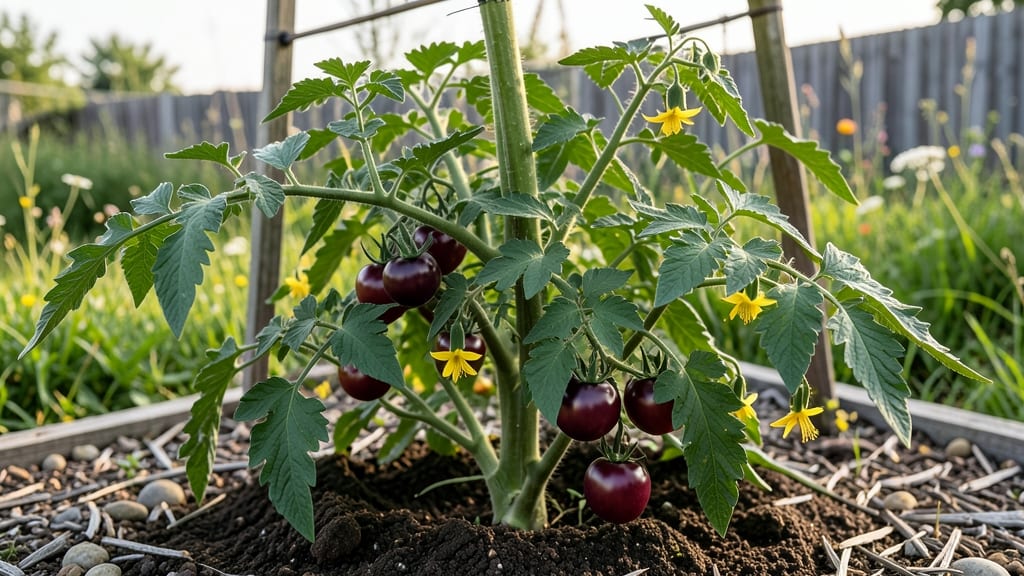
Growing the Cherokee Purple tomato indeterminate in containers lets you enjoy their legendary flavor without a sprawling garden. 🌱 These deep purple beauties aren't just stunning—they're sweeter, meatier, and more complex than most store-bought tomatoes, with a rich, almost smoky depth that keeps me reaching for seconds.
The secret to container success starts with the right setup: a 5-gallon minimum per plant, well-draining soil mixed with compost, and a sturdy trellis to support their 6-10 foot vines.
Unlike smaller tomatoes, Cherokee Purples need consistent moisture and regular feeding to produce those pound-plus fruits—but the payoff is worth every extra watering.
You'll know you've nailed it when the first fruits ripen in 70-85 days, their skin turning from deep purple to a rich, almost burgundy hue. The flavor? A perfect balance of sweetness and acidity that makes slicing sandwiches feel like a gourmet experience.
Works just as well on balconies as in backyards—just give them 6+ hours of sun and watch those vines climb. Here's how to set it up right from day one.
📚 In This Guide
- What you need
- Instructions
- Tips and common mistakes
- Wrapping up and next steps
What you need
- ● Seeds or Seedlings: 1–2 Cherokee Purple Tomato Indeterminate seeds (or 1–2 healthy seedlings from a nursery).
- ● Containers: 2–5 gallon fabric grow bags or plastic pots (with drainage holes).
- ○ Optional: Self-watering containers for convenience.
- ● Potting Mix: 1 bag (1–2 cubic feet) of high-quality, well-draining potting soil (look for "tomato mix" or blend with perlite/vermiculite).
- ● Fertilizer: Balanced organic fertilizer (e.g., 5-5-5 or 10-10-10) or compost for slow-release nutrients.
- ○ Optional: Liquid tomato fertilizer (like fish emulsion) for a mid-season boost.
- ● Basic Gardening Tools: Trowel or small shovel for planting.
- ● Pruning shears (for trimming suckers and shaping plants).
- ● Garden gloves (to protect your hands!).
- ● Support System: 1–2 tomato cages (5–6 ft tall) or bamboo stakes (6+ ft long) + twine.
- ● Watering Supplies: Watering can or hose with a gentle spray nozzle.
- ○ Optional: Drip irrigation kit for consistent moisture.
- ● Sunlight & Space: Full sun (6–8+ hours of direct sunlight daily).
- ● Balcony, patio, or backyard with stable temperatures (60–85°F).
Step-by-Step instructions for growing Cherokee Purple tomatoes in containers
Here's how to coax these stunning, rich-flavored tomatoes to thrive in pots—my foolproof method for lush vines and heavy fruit.
🌱 Step 1: Select the Right Container and Soil Mix
Cherokee Purples need 5-gallon containers minimum—they're heavy feeders and sprawling vines. I use fabric grow bags because they prevent root circling and allow roots to breathe. Drill extra drainage holes if your pot doesn't have them, then line the bottom with 2 inches of gravel to prevent clogging.
Fill the container with a mix of 60% high-quality potting soil, 30% compost, and 10% perlite or vermiculite. This balance ensures drainage while retaining moisture. I like to add a handful of worm castings at planting time for extra nutrients—these tomatoes reward good soil with incredible flavor.
☀️ Step 2: Plant and Provide Support Early
Set your seedling in the center of the pot and bury it up to its first set of true leaves—this encourages strong root development. Press the soil gently around the stem, then water deeply until it drains from the bottom holes. Cherokee Purples are indeterminate, so they'll grow 6-10 feet tall—install a 6-foot tomato cage or sturdy stakes immediately to avoid disturbing roots later.
I always tie the main stem to the support with soft plant ties as soon as it reaches the cage's bottom rung. Watch for new suckers (side shoots) in the leaf axils—pinch these off early to direct energy into fruit production. The first true leaves should appear within 7-10 days of transplanting if conditions are right.
💧 Step 3: Water and Fertilize for Heavy Fruit Set
Water when the top 2 inches of soil feel dry—Cherokee Purples are drought-sensitive and will crack if moisture fluctuates wildly. I use a drip irrigation system to deliver water at the base consistently, avoiding wetting the leaves to prevent disease. In containers, they'll need 1-2 gallons of water daily during peak summer heat.
Feed every 2 weeks with a balanced 10-10-10 fertilizer diluted to half-strength once flowers appear. When fruit sets, switch to a 5-10-10 formula to boost phosphorus for ripening. You'll know you're doing it right when the first blossoms appear in 4-6 weeks—these tomatoes flower prolifically once established.
✂️ Step 4: Prune and Train for Maximum Yield
Prune suckers regularly—these are the shoots that grow in the angle between the main stem and a branch. Remove them up to 12 inches from the ground to maintain an open center. Cherokee Purples benefit from open-center pruning, which improves air circulation and reduces disease risk. Leave 3-4 main stems if you prefer a bushier plant, but I find single-stem training yields the largest fruits.
When fruit clusters form, thin them to 3-4 tomatoes per truss—this prevents overburdening the plant and ensures larger, sweeter tomatoes. You'll see the first fruit set appear in 6-8 weeks after transplanting. Harvest when the tomatoes turn deep purple and yield slightly to gentle pressure—this variety ripens unevenly, so check clusters every 2-3 days.
🪴 Step 5: Overwinter and Prepare for Next Season
When frost threatens, cut the vines back to 6 inches above the soil and move the container to a protected location. Reduce watering but keep the soil lightly moist. In mild climates, you can leave the plant in the pot over winter and prune back in early spring. I've had Cherokee Purples produce a second, smaller harvest in fall if given enough warmth and light.
After harvest, compost any remaining plant material and refresh the soil with 2-3 inches of compost before replanting. These tomatoes are biennial, meaning they produce best in their second year, so saving seeds from your best fruit is a great way to ensure next year's crop starts strong. The rich, meaty flavor makes the effort worthwhile—once you taste Cherokee Purple tomatoes, you'll never go back to bland store-bought varieties.
Tips & tricks for growing Cherokee Purple tomatoes in containers
These simple yet game-changing strategies will help you coax the most vibrant, flavorful harvest from your container-grown Cherokee Purples.
Container Selection: Fabric grow bags are my top recommendation because they prevent root circling and allow for better oxygen exchange, but any 5-gallon container with drainage will work. If using traditional pots, drill extra holes along the sides near the bottom—this mimics natural root spread and prevents waterlogging. I've had great success with black plastic grow bags because they absorb heat during the day and release it slowly at night, which Cherokee Purples love.
Soil Science: The 60-30-10 soil mix (potting soil, compost, perlite) is non-negotiable for these heavy feeders, but here's the secret: mix in a handful of coffee grounds with your compost. The acidity mimics their native growing conditions and boosts flavor. Also, avoid garden soil—it compacts in containers and suffocates roots. If you're short on compost, you can substitute up to 10% of the perlite with coarse sand for better drainage.
Pruning Strategy: In Step 4, when you're pruning suckers, focus on removing only those below the first flower cluster. This maintains the plant's energy balance while still allowing for good air circulation. I've found that leaving 1-2 suckers near the top of the plant actually increases yield by creating additional fruiting zones. Just be ruthless with the lower ones—they compete for nutrients that could go to your tomatoes.
Watering Wisdom: The "top 2 inches dry" rule is perfect, but here's how to implement it: use a moisture meter or stick your finger in the soil. If it feels like a wrung-out sponge, it's time to water. For containers, I water in the morning so the soil has all day to dry out properly. During heatwaves, I increase to 2 gallons daily and add mulch around the base to retain moisture. Never let these tomatoes dry out completely—they'll crack spectacularly if moisture fluctuates.
Pro Tips for Cherokee Purple Tomato Indeterminate
- These simple yet game-changing strategies will help you coax the most vibrant, flavorful harvest from your container-...
- Container Selection: Fabric grow bags are my top recommendation because they prevent root circling and allow for bett...
- Soil Science: The 60-30-10 soil mix (potting soil, compost, perlite) is non-negotiable for these heavy feeders, but h...
Frequently asked questions
Got questions about growing Cherokee Purple indeterminate tomatoes in containers? You’re not alone! Here are answers to the most common queries to help you cultivate these stunning, flavor-packed gems with confidence.
How big of a container do Cherokee Purple tomatoes need?
These indeterminate beauties need at least 5 gallons per plant—think large fabric grow bags or deep pots (12"+ deep). Smaller containers risk stunted growth or root-bound stress. Pro tip: Add a trellis or cage early to save space and support their sprawling vines!
When should I plant Cherokee Purple tomatoes in containers?
Start seeds indoors 6–8 weeks before your last frost date (or buy sturdy transplants). Move them outdoors after soil temps hit 55°F+ and nighttime temps stay above 50°F. Hardening off (gradually acclimating seedlings to outdoor conditions) for 7–10 days is key to avoid shock.
Why are my Cherokee Purple tomatoes cracking?
Cracking often happens with inconsistent watering or rapid growth after dry spells. Keep soil evenly moist (not soggy!) and mulch to retain humidity. If cracks appear, harvest promptly—they won’t affect flavor, just aesthetics! Bonus: Overripe tomatoes are sweeter, so don’t toss cracked ones.
Can I grow Cherokee Purple tomatoes in a small balcony planter?
Yes, but prune aggressively to limit vines and pair with a compact variety like ‘Tiny Tim’ if space is tight. Use self-watering containers and fertilize weekly with tomato-specific feed. Expect fewer fruits but still delicious harvests! Tip: Rotate containers for even sun exposure.
Are Cherokee Purple tomatoes disease-prone?
Like all heirlooms, they’re susceptible to blight and pests (especially in humid climates). Prevent issues by:
- Spacing plants for airflow
- Removing lower leaves to reduce soil splash
- Using neem oil or copper fungicide preemptively
Wrapping up and next steps
The Cherokee Purple indeterminate tomato isn’t just a stunning heirloom—it’s a game-changer for container gardening! With its rich, smoky-sweet flavor and striking purple hues, this variety proves that vibrant harvests are totally doable, even in small spaces.
Whether you’re a seasoned gardener or a beginner, its adaptability and disease resistance make it a must-try for your next planting season.
Ready to dive in? Start small—pick a sunny spot, gather your supplies, and let these beauties climb! Soon, you’ll be savoring homegrown tomatoes that taste like summer in every bite. 🌱✨