
Planting
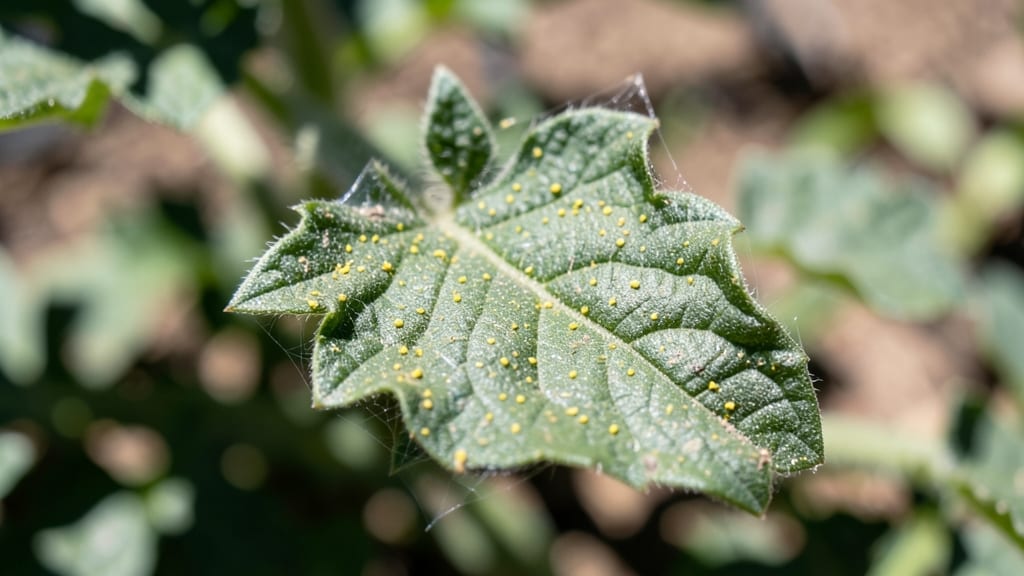
Tomato plant leaves tell the story of your plant's health—and spotting issues early can save your harvest. Learn to identify 10 distinct leaf types, from vibrant healthy growth to warning signs of pests and diseases, so you can take action before it's too late.
Dark Green Shiny Healthy Tomato Leaves
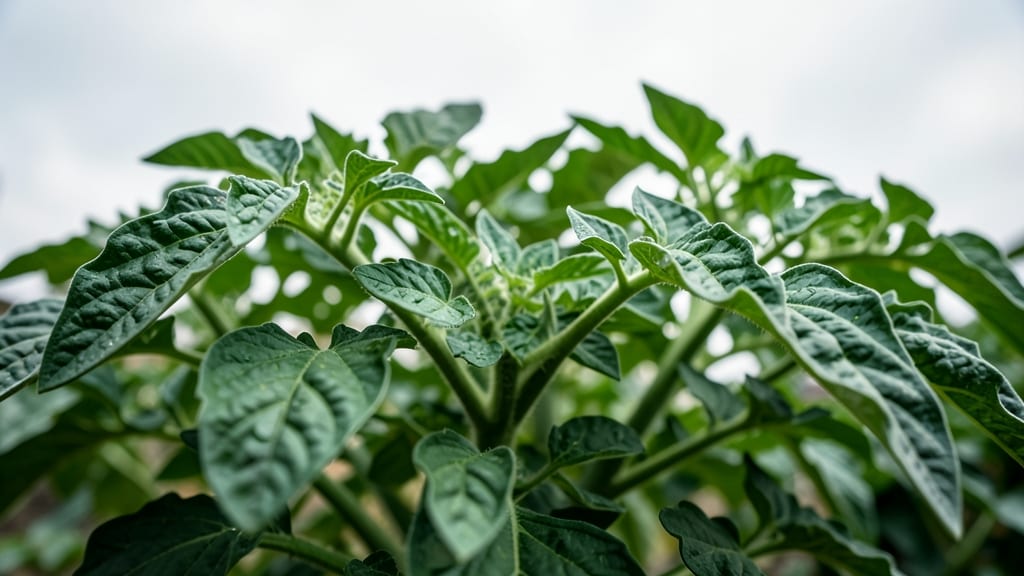
When your tomato plant boasts dark green, glossy leaves, you’ve hit the gardening jackpot—this is the gold standard of tomato foliage. These leaves aren’t just pretty; they’re a clear signal your plant is thriving with the perfect balance of sunlight, water, and nutrients, making them the ideal benchmark for beginners.
Healthy tomato leaves should feel firm to the touch, with a slight waxy sheen that repels pests naturally. Aim for 6-8 hours of morning sun and water deeply at the base (avoid wetting leaves) to maintain this lush appearance. If your leaves start losing their shine or develop spots, it’s time to adjust care—this is your plant’s way of saying, “Keep up the good work!”
For new gardeners, these leaves are your report card for success. Once you master this ideal, you’ll spot early warning signs of stress or disease before they escalate. 🌱
Yellowing Leaves From Early Blight
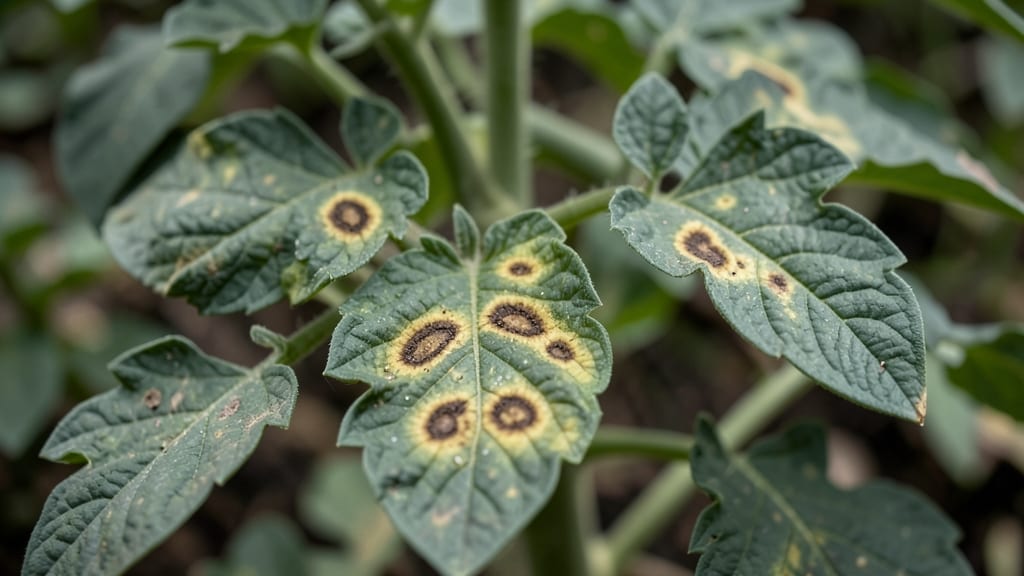
If your tomato leaves are showing concentric brown rings with yellow halos, you're likely dealing with early blight—a fungal disease that starts at the bottom and works its way up. This classic pattern is your first warning sign that the plant is under attack, and acting fast can mean the difference between a saved harvest and a ruined one.
Early blight thrives in warm, humid conditions and spreads through splashing water or infected plant debris. The key to stopping it is removing infected leaves immediately—especially those on the lower stems—and disposing of them in the trash (not compost). Space plants properly for airflow, and avoid overhead watering to keep leaves dry. Copper fungicide sprays can also help prevent further spread if used at the first sign of trouble.
This issue is especially critical for home gardeners in humid climates or those growing tomatoes in containers, where airflow is often limited. Catching early blight early gives you the best chance to save your plants and protect your crop. 💚
Holey Leaves Caused By Hornworms
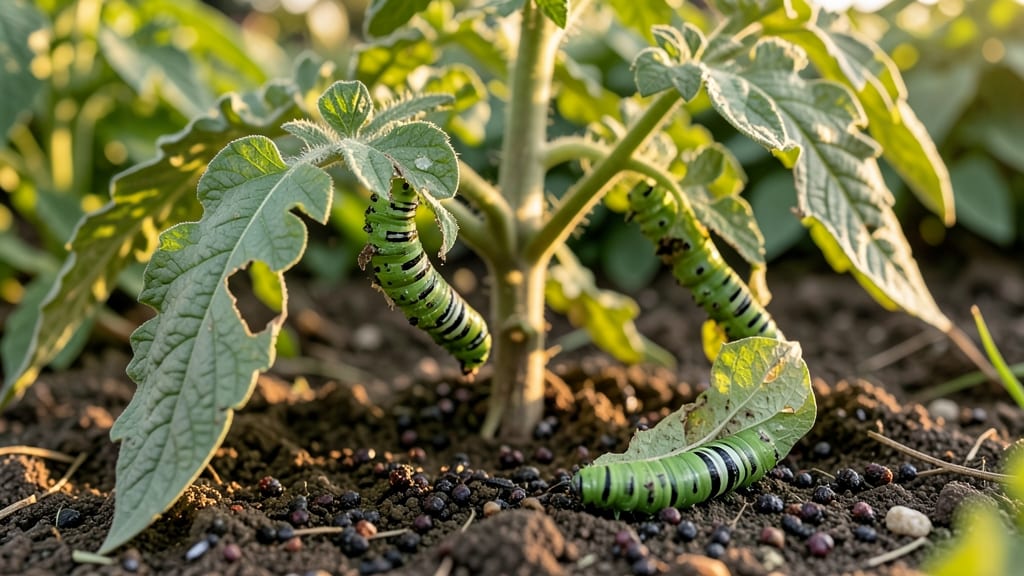
If your tomato plants look like they’ve been attacked by a hungry caterpillar, you’re likely dealing with hornworms—those striped, green monsters that can strip a plant bare in a single night. These voracious pests leave behind large, irregular holes and piles of green frass (droppings), making them easy to spot if you know what to look for.
Hornworms thrive in warm weather and target tomatoes, peppers, and eggplants, often hiding on the undersides of leaves during the day. To control them organically, handpick the caterpillars (they’re surprisingly easy to spot) or introduce beneficial nematodes and parasitic wasps, which naturally prey on hornworms. A quick daily check of your plants can prevent them from turning your garden into a salad bar. 🌿
Purple-Stemmed Leaves From Nutrient Deficiency
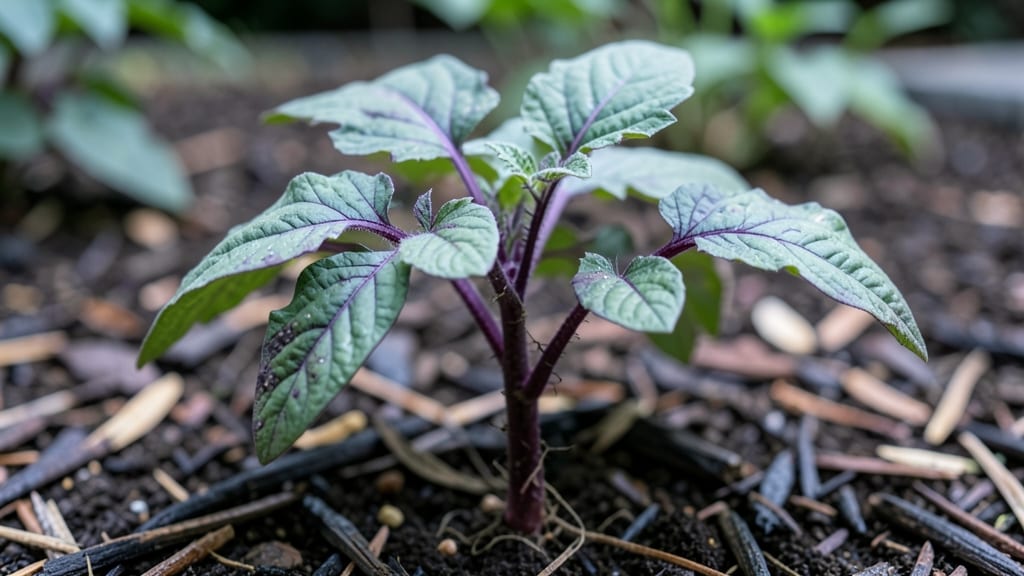
When your tomato plant’s stems and leaf veins turn an unnatural purple hue, it’s not a sign of disease—it’s a cry for help from your soil. This phosphorus deficiency often sneaks in when soil stays too wet or lacks organic matter, leaving your plant struggling to produce energy for strong growth.
To fix it, mix in bone meal or compost at planting time or as a mid-season boost. Avoid overwatering, as soggy soil locks out nutrients. Watch for improved leaf color within weeks, and your plant will reward you with vigorous vines and better fruit set. This fix is especially helpful for gardeners in heavy clay soils or those using raised beds with limited organic matter. 💚
Crinkled Leaves From Tomato Mosaic Virus
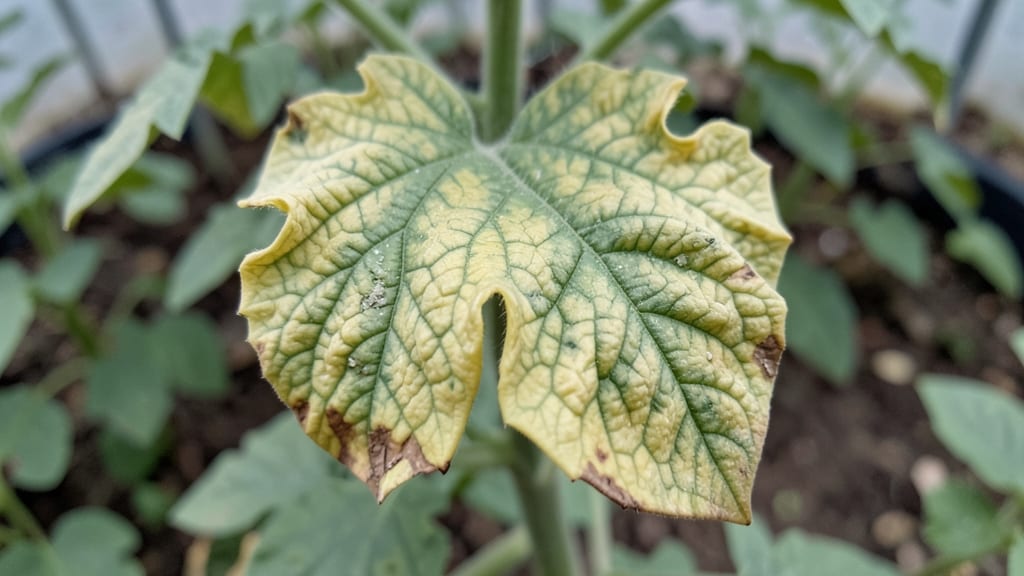
If your tomato leaves look like they’ve been crumpled by an invisible hand—yellowed, stunted, and twisted—you’re likely dealing with the tomato mosaic virus (ToMV), a sneaky disease spread by aphids. Unlike fungal issues or nutrient deficiencies, this one doesn’t have a cure, so quick action is your best defense.
The mosaic pattern (light and dark green patches) combined with puckered, distorted leaves is a dead giveaway. Since ToMV spreads easily through infected plants, tools, or even contaminated soil, remove the entire plant immediately—including roots—to stop the virus from jumping to nearby crops. Aphids are the usual culprits, so keep an eye out for these tiny green pests on the undersides of leaves.
This disease is especially risky for home gardeners who grow heirloom or grafted tomatoes, as many commercial varieties are more resistant. Preventative measures like row covers and regular aphid monitoring can save your harvest before symptoms even appear. 💚
White Spotted Leaves From Powdery Mildew
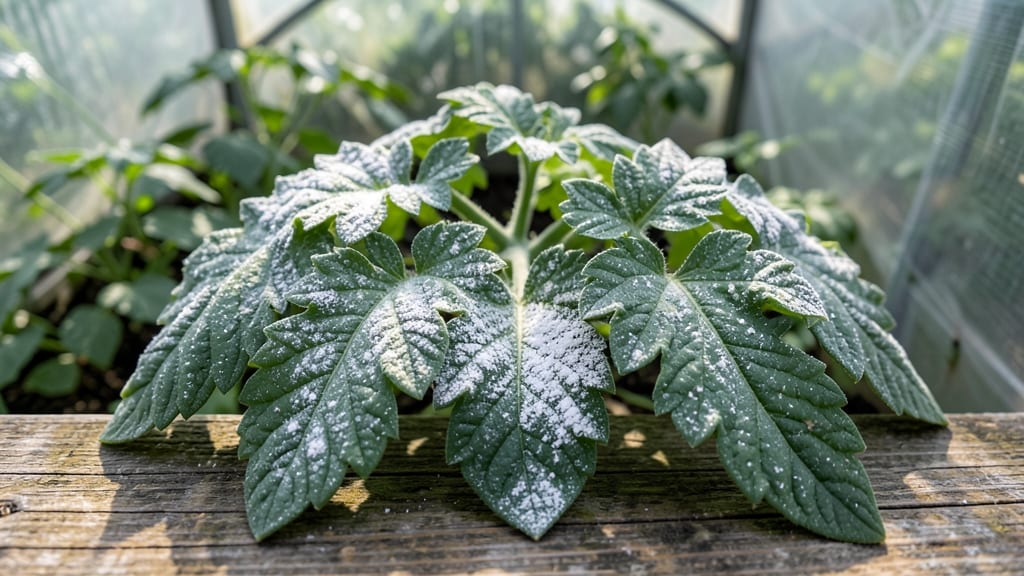
If your tomato leaves look like they’ve been dusted with flour, you’re likely dealing with powdery mildew—a fungal disease that thrives in humid conditions and can quickly weaken your plants. Unlike other leaf issues, this white powdery coating appears on the upper leaf surfaces, making it easy to spot if you check your plants regularly.
To stop its spread, start by pruning infected leaves to improve airflow around the plant. Next, apply neem oil (a natural fungicide) every 7–10 days until the mildew disappears. Avoid overhead watering, as wet leaves create the perfect environment for spores to spread. This disease is common in shady or crowded gardens, so spacing plants properly and ensuring good circulation can prevent future outbreaks.
Gardeners in humid climates or those growing tomatoes in greenhouses should monitor their plants closely during warm, damp weather. Catching powdery mildew early makes all the difference in saving your harvest! 🌿
Brown Edged Leaves From Overwatering
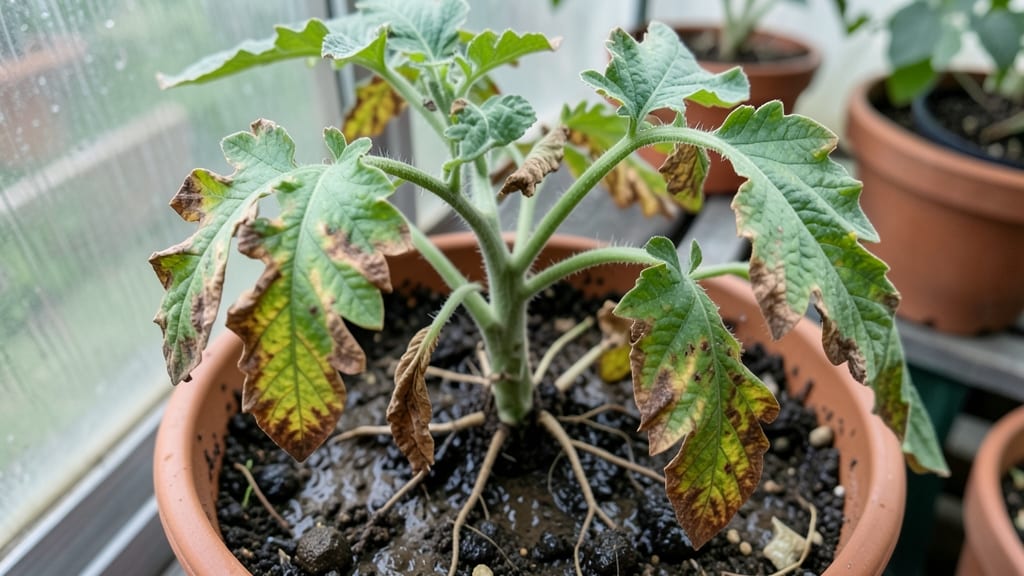
If your tomato leaves are developing crispy brown edges while the stems feel soft and wilted, your plant is likely drowning—not thirsty. This classic overwatering sign often goes unnoticed until roots start rotting beneath the soil surface, cutting off nutrients and oxygen.
First, check the soil: Stick your finger 1-2 inches deep—if it’s damp, hold off on watering. Improve drainage by mixing in perlite or compost to aerate heavy soils, and ensure pots have drainage holes. Water deeply but only when the top inch feels dry, and avoid soggy conditions. For container plants, move them to a saucer with pebbles to wick away excess moisture.
This issue is especially common for container gardeners or those with clay-heavy soil. Acting fast can save your plant—just remember, tomatoes prefer consistent moisture over soggy soil. 💡
Reddish Leaves From Heat Stress
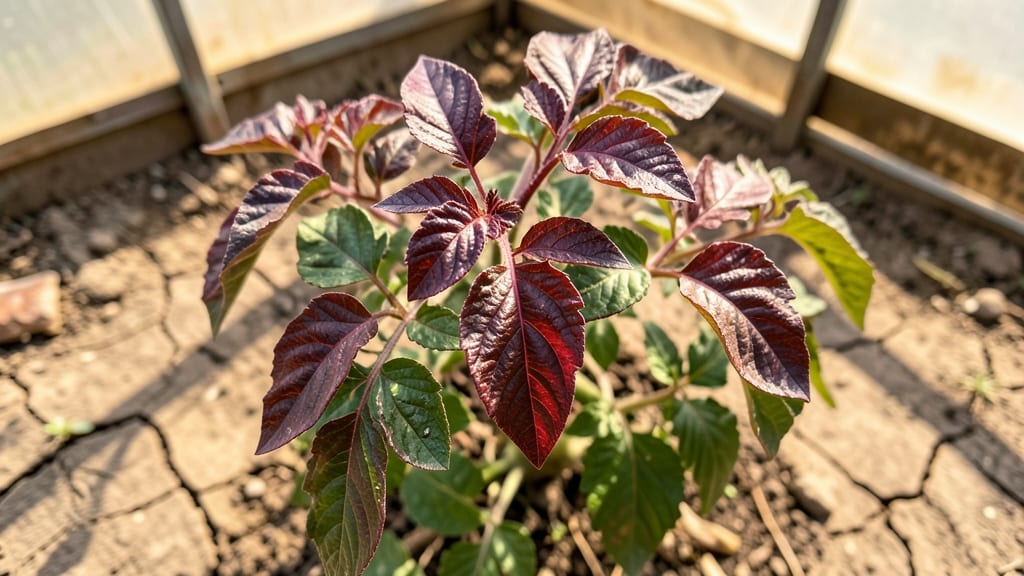
When your cherry tomato or other heat-sensitive varieties develop sudden reddish or purplish leaves during scorching afternoons, it’s not a sign of disease—it’s your plant screaming for relief from heat stress. Unlike nutrient deficiencies or fungal infections, this color shift is purely environmental and often reversible with quick action.
Heat stress occurs when temperatures exceed 90°F (32°C), causing leaves to produce anthocyanins (the same pigments that color red potatoes) as a protective response. Focus on shade solutions like 30% shade cloth during peak sun hours, and water deeply at the soil level (not overhead) to keep roots cool. Mulch with straw to retain moisture and reduce soil temperature. These steps can prevent leaf scorch and preserve fruit quality, especially for delicate varieties like 'Sweet 100' or 'Sun Gold'.
This issue is most common for gardeners in hot climates or those growing tomatoes in containers that heat up quickly. By addressing heat stress early, you’ll protect both your plant’s foliage and your harvest from sun damage. 💚
Sticky Leaves From Aphid Infestation
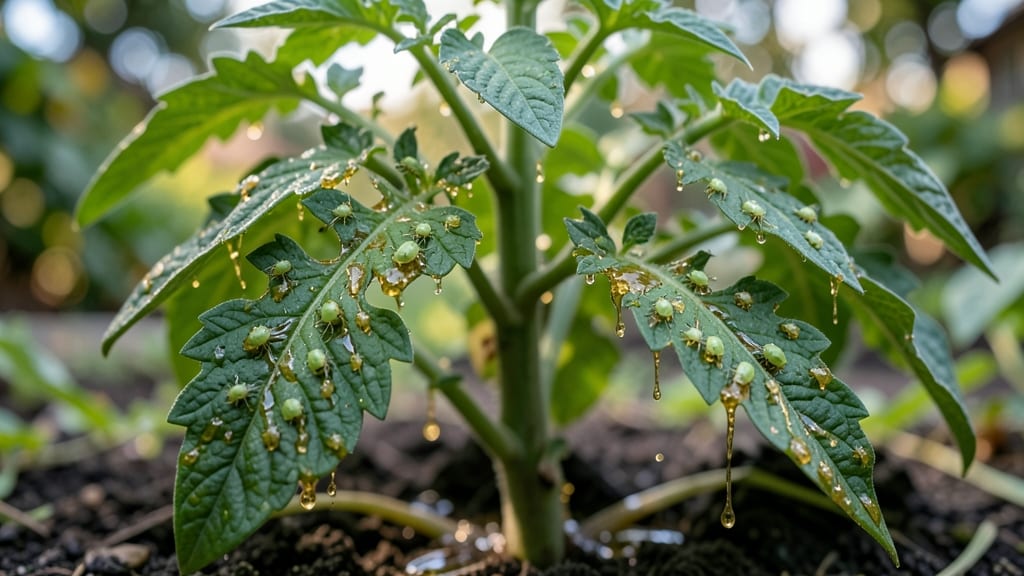
When your tomato leaves start looking like they’ve been drizzled with syrup and dotted with tiny green bugs, you’re dealing with aphids—and their sticky honeydew is more than just a nuisance. This residue attracts ants and can lead to sooty mold, which blocks sunlight and weakens your plant’s ability to photosynthesize.
To tackle this problem, start by spraying leaves with a soapy water solution (1 tsp mild dish soap per quart of water) to suffocate aphids without harming your tomatoes. For a natural fix, introduce ladybugs—these beneficial predators feast on aphids and can clear an infestation in days. Check the undersides of leaves where aphids hide, and repeat treatments every 3–4 days until the sticky mess disappears.
This is especially helpful for container gardeners or those with limited space, as it avoids harsh chemicals while keeping your plants thriving. 💚
Curled Leaves From Spider Mites

If your tomato leaves are curling upward with tiny yellow specks and fine webbing, you’re dealing with spider mites—one of the most common yet overlooked tomato pests. These microscopic arachnids thrive in dry, hot conditions, making them a sneaky problem for gardeners who water infrequently or use plastic mulch.
To combat them, increase humidity around your plants with daily misting or a shallow tray of water near the base. A neem oil spray (mixed with water and a drop of dish soap) disrupts their life cycle and stops new eggs from hatching. Check the undersides of leaves regularly, as spider mites hide there until it’s too late. Early action prevents defoliation and keeps your plant producing fruit.
This pest is especially tricky for container gardeners or those in arid climates, but the good news? Spider mites respond quickly to these simple fixes. 💚