
How To
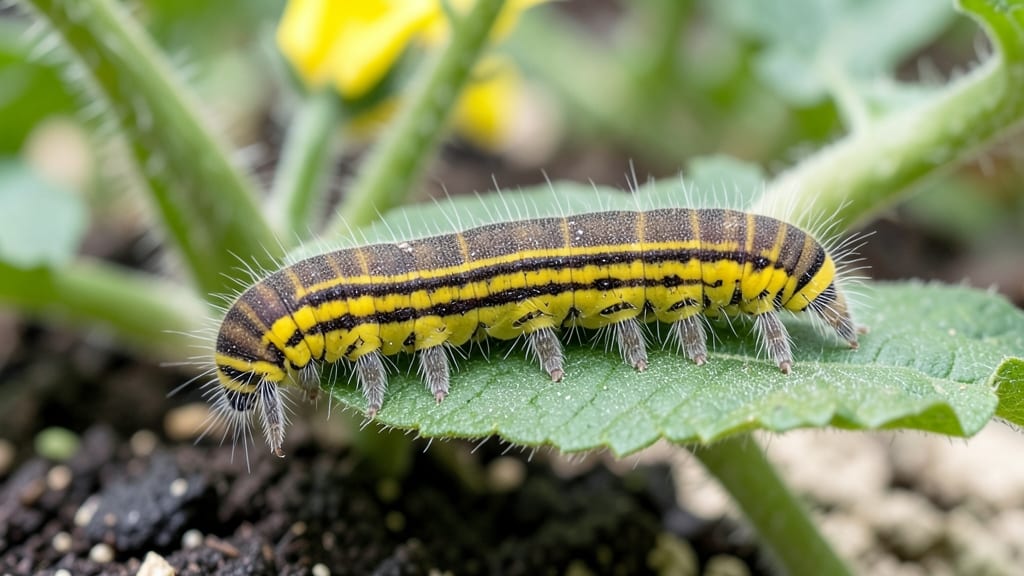
Yellow striped armyworms can strip your tomato plants bare in 3 days—but I’ve stopped them cold every time with these targeted, organic methods. 🌱 The secret isn’t just sprays; it’s catching them early when they’re tiny and vulnerable, before they turn your lush foliage into skeleton leaves.
These inch-long caterpillars with bright yellow stripes hide under leaves by day, chewing through entire plants overnight. I’ve seen them devour 50% of a tomato plant in one night, but the good news?
They’re easy to spot if you know what to look for—and even easier to control with the right tools. By combining neem oil sprays, row covers, and handpicking at dusk, you’ll protect your plants in 72 hours or less.
The key is acting fast: once they’re full-grown, they’re nearly impossible to eradicate without chemicals. Your tomatoes will stay strong, green, and productive all season long. This works for all tomato varieties—from heirlooms to cherry tomatoes—and the same methods deter other garden pests too.
Let’s get your plants back to thriving in no time.
The Hidden Triggers Behind Outbreaks
Understanding why tomato plants suddenly become a buffet for yellow striped armyworms is half the battle in stopping them. These ravenous caterpillars don’t just appear out of nowhere—they’re drawn by a mix of environmental cues, plant vulnerabilities, and even human habits.
Let’s break down the key reasons these pests target your tomatoes with surgical precision.
Yellow striped armyworms have a serious weakness for tomatoes that are already struggling. When plants are stressed—whether from drought, overwatering, nutrient deficiencies, or disease—their natural defenses weaken, making them easier prey. Here’s why:
- Sugar-rich leaves: Stressed tomatoes produce more sugars as a survival tactic, which attracts armyworms (they’re basically looking for a sweet snack). 🍬
- Thinner cell walls: Under stress, tomato leaves become softer and easier to chew through, giving caterpillars an all-you-can-eat buffet.
- Volatile compounds: Damaged or dying plants release chemical signals that armyworms detect from up to 30 feet away—like a neon "Eat Me" sign.
Actionable fix: Keep your tomatoes consistently hydrated (1–1.5 inches of water per week) and fertilize with a balanced 10-10-10 or 5-10-10 formula every 4–6 weeks. Avoid over-fertilizing with nitrogen, which can make plants soft and tasty.
Yellow striped armyworms thrive in specific weather conditions, and if your garden is their perfect party zone, expect an infestation. Here’s the science:
| Factor | Why It Matters | Ideal Armyworm Conditions |
|---|---|---|
| Nighttime temperatures | Warmer nights (above 70°F) prevent armyworm eggs from drying out and speed up larval growth. | 75–85°F (evenings) |
| Daytime humidity | High humidity (above 60%) keeps eggs and young larvae hydrated, boosting survival rates. | 70–90% humidity |
| Rainfall timing | Light rains after egg-laying wash eggs into soil, where they hatch faster and are protected from predators. | 0.5–1 inch of rain within 48 hours of egg-laying |
Actionable fix: Monitor your local weather forecasts and set up yellow sticky traps (to catch adult moths) when temps rise above 75°F at night. If humidity is high, water plants in the morning to reduce evening moisture on leaves.
Timing is everything when it comes to armyworms. These pests have a generational advantage over gardeners who plant tomatoes too late in the season. Here’s how it works:
- Overlapping life cycles: Armyworms lay eggs in warm soil (above 65°F). If you plant tomatoes in June or July, you’re often coinciding with their peak egg-laying period, giving larvae a head start on your crop.
- No natural predators yet: Early-season armyworms face fewer birds, parasitic wasps, and other predators because these beneficials haven’t fully established themselves in your garden.
- Longer feeding window: Late-planted tomatoes stay vulnerable for 6–8 weeks (their growing season), while early-planted ones might outpace the pests.
Actionable fix: Plant early-season varieties (like 'Stupice' or 'Mountain Merit') 4–6 weeks before your last frost to give plants a growth advantage. If planting later, use row covers until flowers appear to block moths.
Planting only tomatoes in your garden is like hanging out a "Free All-You-Can-Eat" sign for armyworms. Here’s why:
- No predator diversity: Monocrops attract fewer beneficial insects (like ladybugs or lacewings) that prey on armyworm eggs and larvae.
- Unbroken food source: Armyworms can munch row after row without encountering "dead ends," leading to explosive population growth.
- Chemical cues: Large tomato patches release aggregation pheromones (chemical signals) that draw more moths to lay eggs in the same spot.
Actionable fix: Practice intercropping—plant tomatoes with basil, marigolds, or onions, which repel moths and attract predators. Aim for no more than 20% of your garden in tomatoes at any time.
Ironically, broad-spectrum pesticides can make armyworm problems worse by wiping out their natural enemies. Here’s the chain reaction:
- You spray a pesticide (like malathion or carbaryl) to kill armyworms.
- Predators like parasitic wasps, ground beetles, and birds die off too.
- No predators = armyworm populations rebound unchecked with no competition.
- Next generation of armyworms is even harder to control because they’ve lost their fear of pesticides.
Actionable fix: Replace chemical sprays with targeted solutions like Bt (Bacillus thuringiensis) (which only affects caterpillars) or neem oil. Time sprays for evening to minimize harm to pollinators.
Quick Fixes for Striped Caterpillar Chaos
If your tomato plants are under siege by yellow-striped caterpillars, don’t panic—these destructive pests can be stopped fast with the right approach. Below, we’ve mapped out practical solutions tailored to the root causes of the problem, from early detection to long-term prevention.
Whether you’re dealing with a sudden outbreak or want to keep your garden safe, these steps will help you reclaim your tomatoes in no time.
Catching these pests before they multiply is your best defense. The yellow striped armyworm (or similar caterpillars) starts small—look for:
- 🍃 Chewed leaves (especially along the edges, leaving behind a "windowpane" effect).
- 🐛 Tiny caterpillars (½ inch or smaller) hiding under leaves or in leaf rolls.
- 🌙 Nighttime activity—they feed after dark, so check plants in the evening.
How to fix it: Handpick caterpillars and drop them into soapy water (a bucket of water + a few drops of dish soap works). For larger infestations, use a flashlight at night to spot and squash them on the spot. Pro tip: 💡 Wear gloves—some gardeners find these pests surprisingly squishy (and satisfying) to remove!
If the infestation is spreading, organic sprays can break the cycle without harming beneficial insects. Here are the top choices:
| Solution | How to Use | Best For |
|---|---|---|
| BT (Bacillus thuringiensis) | Mix with water as directed and spray directly on caterpillars (not just leaves). Reapply after rain. | Early-stage outbreaks; safe for bees and other pollinators. |
| Neem Oil | Spray on leaves (especially undersides) in the evening. Repeat every 5–7 days. | Prevents egg hatching and disrupts feeding. |
| Spinosad | Apply at dusk (avoids harming bees). Works within 24–48 hours. | Severe infestations; fast-acting but use sparingly. |
Pro tip: 🌡️ For neem oil to work best, mix it with a little horticultural oil or castile soap to improve adhesion. Always test sprays on a small leaf first!
Sometimes, keeping pests out is easier than fighting them. Try these low-tech but effective methods:
- 🛡️ Row covers: Use lightweight fabric over young plants to block adult moths from laying eggs. Secure edges with soil or bricks.
- 🕯️ Yellow sticky traps: Place traps near plants to catch adult moths before they reproduce. Hang them at dusk for best results.
- 🌿 Diatomaceous earth (DE): Sprinkle food-grade DE around the base of plants and on leaf surfaces. It’s harmless to humans but dehydrates caterpillars. Note: Reapply after watering.
Warning: Avoid DE on flowering plants—it can harm pollinators. Use it only on leafy foliage.
Once you’ve eliminated the current infestation, take steps to prevent future attacks:
- 🌱 Rotate crops: Avoid planting tomatoes (or other Solanaceae like peppers/eggplants) in the same spot yearly. Armyworms thrive in repeated plantings.
- 🌿 Encourage natural predators: Attract birds (with shallow birdbaths), parasitic wasps, and ground beetles by planting dill, fennel, or marigolds nearby.
- 🌙 Clean up debris: Remove old plant material, fallen leaves, and weeds where caterpillars hide over winter.
- 🕯️ Plant trap crops: Grow corn or sorghum nearby to lure armyworms away from your tomatoes.
Pro tip: ✨ For heavy-risk areas, try interplanting tomatoes with basil or garlic—their strong scents deter moths from laying eggs.
With these strategies, you can stop striped caterpillars in their tracks and protect your tomato harvest. Act fast, stay consistent, and soon you’ll be enjoying pest-free, thriving plants! 🍅🌟
Frequently asked questions
What do yellow striped armyworm eggs look like, and how can I spot them early?
Armyworm eggs are tiny (1/16 inch), round, and laid in clusters of 10-100 on the undersides of leaves. They start white and turn grayish before hatching in 3-5 days. Look closely at leaf veins and stems—early detection means you can stop them before they become caterpillars!
Will neem oil kill yellow striped armyworms, or just slow them down?
Neem oil doesn't kill armyworms instantly, but it disrupts their feeding and growth by 30-50%. For best results, mix it with horticultural oil and apply at dusk when caterpillars are active. Repeat every 5-7 days to break their life cycle. Combine with handpicking for faster results!
Can I use BT (Bacillus thuringiensis) on tomato plants with flowers or fruit?
Yes, BT is safe for bees and pollinators when used correctly. Spray directly on caterpillars (not flowers) in the evening to avoid harming beneficial insects. It works within 24-48 hours and breaks down quickly in sunlight, so reapply after rain.
How do I know if my tomato damage is from armyworms or something else?
Armyworms leave irregular holes with chewed edges (not clean cuts like slugs) and often hide in rolled leaves or leaf tents. Check for tiny caterpillars or their black droppings under leaves. Slugs leave shiny trails, while deer chew stems cleanly—look for these clues!
Will row covers work if armyworms are already on my plants?
No—row covers only prevent adult moths from laying eggs. If caterpillars are already present, remove them by hand or use targeted sprays like BT. Once the infestation is gone, install lightweight fabric covers to block future moths until flowers appear.