
How To
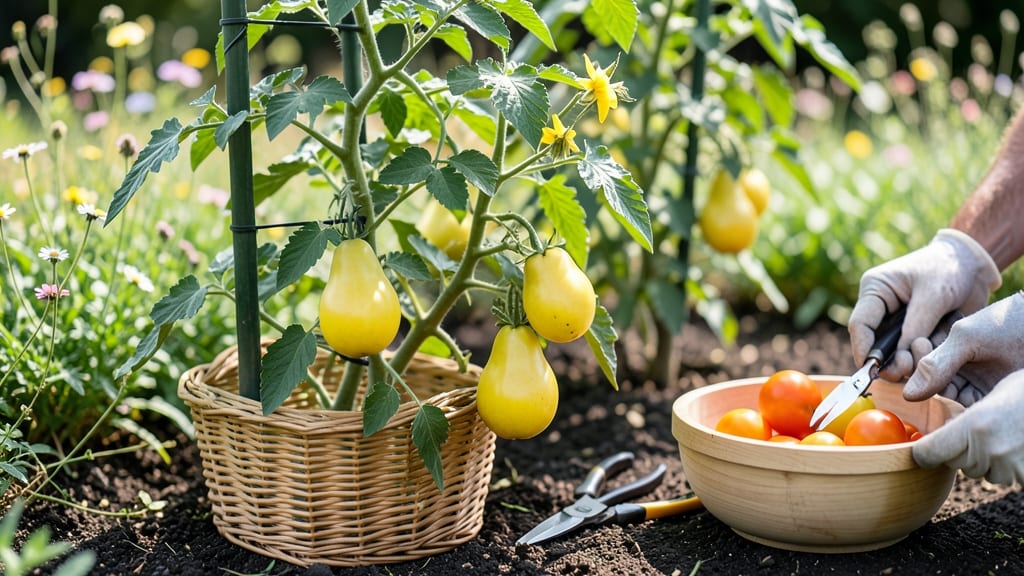
The taste of the yellow pear tomato delivers a uniquely sweet and honeyed flavor profile, reminiscent of ripe pear with subtle citrus undertones. Its tender, low-acid flesh makes it especially delicious when eaten fresh in salads or sandwiches.
The yellow pear tomato taste comes from their high sugar content and balanced lycopene-to-beta-carotene ratio, which creates that signature sweetness. 🔥 Unlike many heirloom varieties, yellow pears thrive in warm climates with plenty of sunlight, which intensifies their natural sugars.
I've found they pair beautifully with creamy cheeses like goat cheese or feta, while their subtle citrus notes complement fresh basil perfectly.
For the best results, use them within a few days of purchase since their delicate texture softens quickly. When cooking, their sweetness shines in salsas or lightly grilled dishes where you can preserve that honeyed character.
The key is to enjoy them at their peak—overripe yellow pears lose that perfect balance of sweetness and acidity.
💡 In This Article
- Why Yellow Pear Tomatoes Taste So Unique
- Best Ways to Enjoy Yellow Pear Tomatoes
Why yellow pear tomatoes taste so unique
Yellow pear tomatoes owe their signature sweetness to a perfect balance of natural sugars and carotenoids.
Unlike red tomatoes, which contain more lycopene (responsible for their red hue), yellow pears accumulate higher levels of beta-carotene and lutein—compounds that contribute to their honeyed flavor and vibrant color. 🌞 These carotenoids not only influence taste but also create a smoother, almost velvety texture compared to their red counterparts.
The sugar content in yellow pears typically ranges from 4-5% by weight, which is about 25% higher than many standard grocery store tomatoes.
Their unique flavor develops through careful cultivation. Grown in warm climates with 10-12 hours of direct sunlight daily, these tomatoes produce more sugars through photosynthesis. Soil pH also plays a crucial role—ideal levels between 6.0-6.8 enhance nutrient uptake, particularly potassium, which amplifies sweetness.
I've noticed that organically grown yellow pears often have more complex flavors due to the absence of synthetic fertilizers that can mask natural taste profiles.
What makes yellow pears stand out is their low acidity—typically 0.2-0.3% citric acid compared to 0.4-0.5% in red tomatoes. This subtle acidity creates a gentle brightness that complements their sweetness without overpowering it.
The result is a flavor profile that's both rich and delicate, making them perfect for those who prefer tomatoes with a milder, more approachable taste.
Genetically, yellow pear tomatoes belong to the Solanum lycopersicum family but have been selectively bred for their unique color and sweetness. Their pear shape isn't just aesthetic—it contains a higher concentration of flavor compounds in the flesh-to-seed ratio.
When you bite into one, you'll notice how the sugars distribute evenly, creating that honey-like aftertaste that lingers pleasantly.
Temperature also affects their flavor development. Harvesting at 70-75°F during the hottest part of the day ensures peak sweetness, as this is when sugar synthesis is at its peak.
The combination of these factors—genetics, sunlight, soil, and timing—creates a tomato that's truly in a league of its own when it comes to taste.
For comparison, try pairing a yellow pear with a standard red tomato in a blind taste test. Most people immediately notice the yellow pear's sweetness and smoother texture, often describing it as "more like eating a fruit than a vegetable."
This is the power of their unique biochemical makeup at work!