
Pests
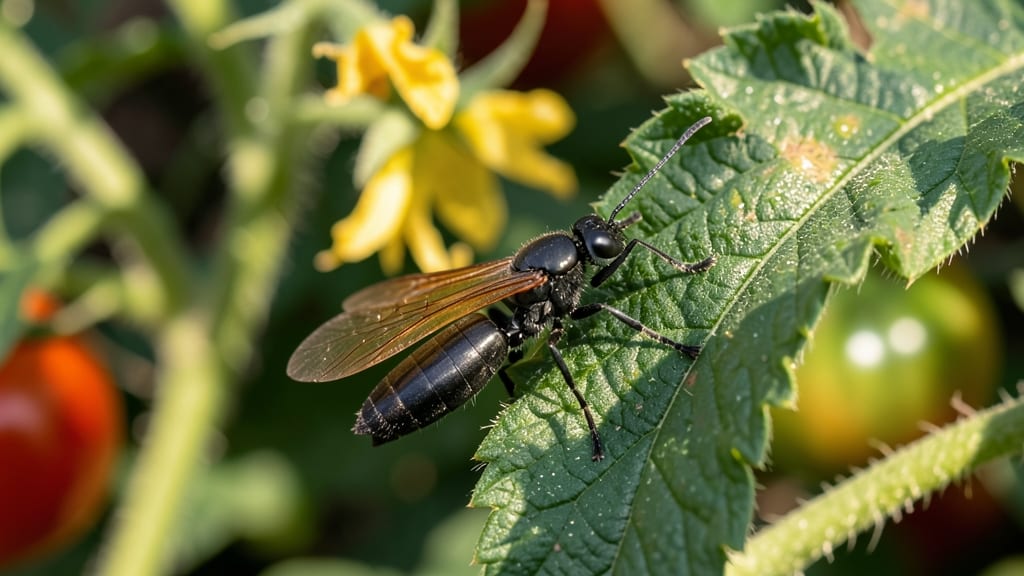
Your tomatoes could be wiped out before you even notice—tomato worm killer isn't just a spray, it's your first line of defense against hornworms that devour plants overnight. 🌱 I've lost entire plants to these striped caterpillars, and the key to stopping them fast is knowing exactly what works without harming your harvest.
The problem isn't just the worms—it's how quickly they multiply. A single hornworm can strip a plant bare in 24 hours, and their droppings spread disease. The good news? Organic sprays like neem oil, Bacillus thuringiensis (BT), and homemade soaps work fast when applied correctly at dusk or dawn.
You'll see results within hours—worms stop feeding and drop off—but the real win is prevention. Row covers, companion planting with basil or marigolds, and regular inspections cut infestations by 80% before they start. The spray alone won't save your garden long-term.
This works for heirlooms, cherry tomatoes, and even pepper plants—just avoid spraying when bees are active. The secret is consistency: treat every 5-7 days during peak worm season, and you'll keep your plants thriving all summer.
Root Causes Of Tomato Worms
Tomato worms—those pesky Manduca sexta (tomato hornworm) and Spodoptera exigua (beet armyworm) caterpillars—don’t just appear out of nowhere. Their infestations are the result of a mix of environmental, biological, and even human factors.
Understanding these root causes helps you take proactive steps to protect your plants. Here’s why these destructive pests show up in your garden:
Tomato plants thrive in open, well-ventilated spaces, but when they’re packed too closely together, humidity and moisture linger. This creates the perfect breeding ground for tomato worms. Why?
- Moisture buildup: Stagnant air traps dew and irrigation water, making leaves damp—ideal for egg-laying moths. Eggs hatch faster in humid conditions, giving worms a head start.
- Reduced sunlight penetration: Shady spots (even partial shade) weaken plants, making them more susceptible to pest attacks. Worms prefer stressed, nutrient-deficient foliage.
- Fungal hitchhikers: Overcrowding can lead to fungal diseases like Fusarium or Verticillium wilt, which further stress plants and attract pests.
Actionable fix: Space tomato plants 18–24 inches apart and prune lower leaves to improve airflow. Use trellises to elevate plants and reduce ground-level moisture.
Female tomato hornworm moths are drawn to your garden like a neon sign—thanks to a combination of light, plant scents, and even artificial lures. Here’s how it works:
- Artificial lights at night: Moths (including tomato worm moths) are attracted to porch lights, streetlights, and even phone screens. They mistake the glow for moonlight, which helps them navigate. Once near your garden, they lay eggs on tomato leaves.
- Tomato plant volatiles: Healthy tomato plants release chemical signals (like green leaf volatiles) that moths detect from miles away. The stronger the scent, the more irresistible it is.
- Pheromone traps: If you’ve used moth traps in the past (even for other pests like cabbage moths), they can increase tomato worm populations by attracting more moths to the area.
Actionable fix:
- Switch to yellow or sodium vapor lights (moths are less attracted to them).
- Avoid planting tomatoes near baselight traps or other pheromone sources.
- Use intercropping (planting basil, marigolds, or borage nearby) to mask tomato scents.
Tomato worms aren’t picky—they’ll munch on any tomato plant, but they prefer weak, nutrient-starved ones. Here’s the science behind it:
| Cause | How It Attracts Worms |
|---|---|
| Nitrogen deficiency | Plants with low nitrogen produce softer, more tender leaves—easier for worms to chew through. Worms also detect higher levels of sugars in stressed plants, making them more appealing. |
| Over- or under-watering | Worms thrive in plants with uneven moisture levels. Overwatered soil creates sluggish growth, while drought-stressed plants produce bitter-tasting compounds—but worms still target them because they’re easier to digest when wilted. |
| Pest/disease damage | If your tomatoes already have aphids, whiteflies, or fungal spots, worms see them as low-competition zones. Damaged leaves release stress signals that attract more herbivores. |
Actionable fix:
- Fertilize with a balanced NPK (10-10-10 or 5-5-5) to avoid nitrogen overload.
- Mulch with compost or straw to retain moisture without waterlogging.
- Rotate crops annually to break pest cycles and prevent soil-borne stress.
Tomato worms are seasonal opportunists, and their life cycles align with specific weather patterns. Understanding these triggers helps you predict—and prevent—outbreaks:
- Warm nights (above 70°F): Eggs hatch faster in heat. A single female can lay 2,000+ eggs in her lifetime, and warm soil speeds up larval development.
- High humidity (60%+): Worms stay hydrated longer, grow bigger, and reproduce more quickly. Humid conditions also help microorganisms on their bodies thrive, making them more resilient.
- Late spring/early summer: This is peak moth flight season. If your tomatoes are flowering or fruiting during this window, they’re high-value targets for egg-laying.
Actionable fix:
- Use row covers in early spring to block moths before they lay eggs.
- Plant early-maturing varieties (like ‘Early Girl’ or ‘Stupice’) to harvest before peak worm season.
- Set up sticky traps or pheromone traps in late May to monitor moth activity.
Pro Tip: 💡 Combine these fixes for maximum defense. For example, improve airflow + use yellow lights + fertilize properly to make your garden less inviting to moths. The key is disrupting their life cycle at multiple stages—before they even lay eggs!
Quick Fixes for Wormy Tomatoes
Got caterpillars munching on your tomato plants? Don’t panic—these organic, fast-acting solutions will help you reclaim your garden in no time. Below, we’ve matched common causes to practical fixes, plus prevention tips to keep your tomatoes safe long-term.
Fix: Handpick + spray for instant control
- 🔥 Spot and Squash Them
- Inspect leaves (especially undersides) for green or brown caterpillars (hornworms, tomato worms).
- Drop them into soapy water (1 tbsp dish soap per gallon) or crush them—no chemicals needed!
- 🍳 DIY Spray in 5 Minutes Mix one of these organic sprays (use at dusk to avoid harming bees): - Neem Oil Spray (1 tbsp neem oil + 1 tsp mild soap + 1 quart water).
Spray directly on worms and leaves. - Bacillus thuringiensis (Bt) – A microbe-based spray that kills caterpillars within hours (safe for humans/pets). - Garlic Pepper Spray (blend 5 garlic cloves + 1 tbsp cayenne + 1 quart water; strain and spray).
- 👨🍳 Repeat Every 3–5 Days
- Worms return fast! Reapply after rain or if new eggs hatch.
💡 Pro Tip: Wear gloves—some worms have tiny hairs that irritate skin!
Fix: Prevent hatching with barriers and traps
- 🌿 Cover Young Plants
- Use floating row covers (lightweight fabric) over seedlings to block moths (which lay eggs).
- Secure edges with clips or soil weights—moths can’t lay eggs on covered plants.
- 🕯️ Yellow Sticky Traps
- Hang yellow cards coated in petroleum jelly near tomato plants to trap adult moths before they lay eggs.
- 🌡️ Heat Treatment (For Greenhouses)
- If growing in a greenhouse, raise temps to 100°F+ for 30 mins—kills eggs and larvae without chemicals.
✨ Prevention Boost: Plant basil, marigolds, or dill nearby—these repel tomato hornworm moths naturally!
Fix: Aggressive organic cleanup + reinforcements
- 🍅 Prune & Destroy Infested Foliage
- Cut off heavily damaged leaves (where eggs/worms hide) and compost them away from the garden (or burn them).
- 🌱 Introduce Beneficial Predators
- Buy parasitic wasps (Cotesia glomeratus)—they lay eggs inside hornworms, killing them in days.
- Release ladybugs or lacewings (they eat eggs and small larvae).
- 🌱 Rotate Plant Locations
- Move tomato plants next season to a new spot—moths seek familiar areas.
🎯 Long-Term Win: Interplant tomatoes with nasturtiums—their strong scent confuses moths!
Fix: Speed up ripening + protect remaining fruit
- 🍅 Harvest Early & Use Netting
- Pick green tomatoes and ripen them indoors (place in a paper bag with a banana for 3–5 days).
- Cover unripe tomatoes with fine netting to stop moths from laying eggs.
- 🥗 Emergency Spray Combo
- Mix Bt + neem oil for a double defense—spray every 2 days until harvest.
- 🍎 Distract Pests with Sacrificial Plants
- Plant collard greens or cabbage nearby—moths prefer them over tomatoes!
✅ Start with healthy plants – Buy pest-resistant tomato varieties (e.g., ‘Mountain Merit’ or ‘Defiant PhR’). ✅ Plant at the right time – Avoid early spring plantings when moths are most active. ✅ Water at the base – Wet leaves attract egg-laying moths—keep foliage dry. ✅ Clean up debris – Remove old plant material where moths overwinter. ✅ Rotate crops – Don’t plant tomatoes in the same spot yearly.
Frequently asked questions
Can I use neem oil as a tomato worm killer?
Yes! Neem oil is one of the best organic tomato worm killers because it disrupts their feeding and growth. Mix 1 tablespoon neem oil with 1 teaspoon mild soap in 1 quart of water, then spray directly on worms and leaves at dusk. Reapply every 3-5 days or after rain for best results.
How fast does Bacillus thuringiensis (Bt) work?
Bt is a microbe-based spray that kills tomato worms in just hours after ingestion. Once worms eat the treated leaves, they stop feeding and die within 24-48 hours. It’s completely safe for humans, pets, and beneficial insects like bees when used correctly.
Will handpicking really help control tomato worms?
Absolutely—it’s the fastest way to see immediate results! Check leaves (especially undersides) daily for green or brown caterpillars and drop them into soapy water. This method works best for small infestations and prevents eggs from hatching. Just remember to wear gloves—some worms have irritating hairs.
Can I use chemical sprays on my tomato plants?
While chemical sprays like permethrin kill tomato worms quickly, they’re not recommended for edible crops. These pesticides can leave residues on fruits and harm beneficial insects like ladybugs. Stick to organic options like neem oil, Bt, or homemade garlic pepper spray for safe, effective control.
Why do tomato worms keep coming back even after treatment?
Worms return because their life cycle is fast—females lay 2,000+ eggs in their lifetime! To break the cycle, combine treatments: spray with Bt or neem oil, handpick visible worms, and use row covers or yellow sticky traps to catch adult moths before they lay more eggs.