
How To
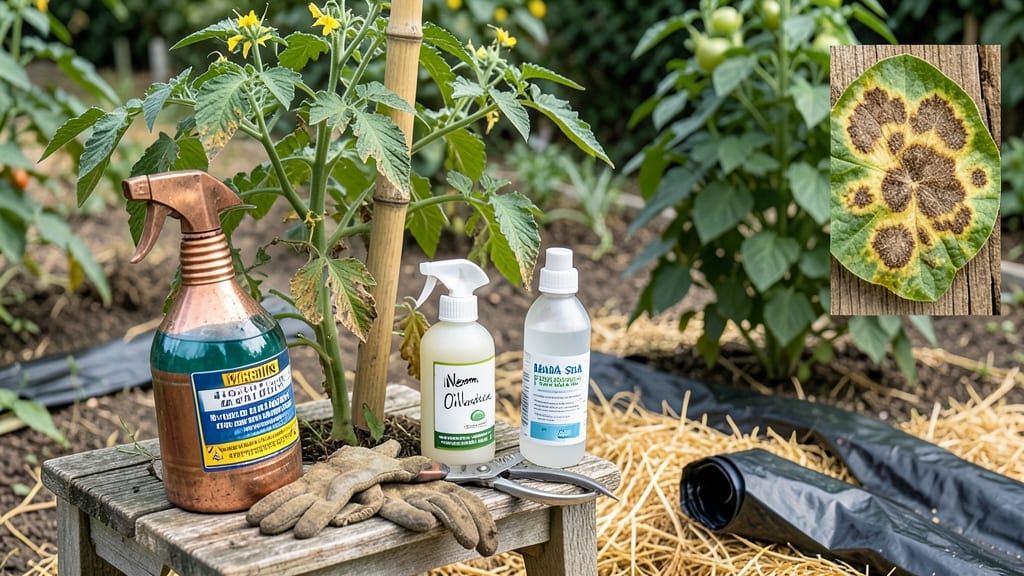
Tomato blight turns vibrant plants into crispy ruins faster than you can say "harvest time." 🌱 I've lost entire crops to those dark, spreading spots—until I discovered copper spray's secret weapon status for stopping fungal spread in its tracks.
The good news? You don't need fancy tools or expensive treatments. A simple copper fungicide spray (homemade or store-bought) applied at the first sign of those ugly brown patches can save your tomatoes. The key is acting fast—within 24 hours of noticing symptoms—and keeping plants dry afterward.
By following this method, you'll salvage more tomatoes from your affected plants than you'd expect. The copper creates a protective barrier that prevents spores from taking hold, and with proper spacing and air circulation, your remaining plants stay healthy enough to produce fruit.
This works for both early and late blight, and the same principles apply whether you're growing in the ground or containers. Let's turn those sad-looking plants around!
The Hidden Triggers Behind Tomato Blight
Tomato blight—specifically Phytophthora infestans (late blight) and Alternaria solani (early blight)—isn’t just a random plant enemy. It thrives because of specific conditions that create the perfect storm for fungal spread.
Understanding these triggers is the first step to stopping blight in its tracks. Let’s break down the science behind why your tomatoes get infected.
Blight fungi love moisture—think of them as aquatic invaders. Here’s why wetness turns your garden into a fungal buffet:
- High Humidity (60%+ for 24+ hours): The spores of Phytophthora and Alternaria germinate best in damp air.
If your plants are constantly bathed in humidity (like in greenhouses or shaded areas), spores latch onto leaves and spread like wildfire. - Frequent Rain or Overwatering: Blight spores splash from soil to leaves during heavy rain or when you water from above.
Even "light" watering can keep soil saturated, creating ideal conditions for fungal growth. - Poor Soil Drainage: Compacted or clay-heavy soil traps water at the roots, weakening plants and making them susceptible to infection. Actionable fix: Test your soil’s drainage—if water pools after 6 hours, amend with compost or sand.
💡 Pro Tip: Water at the base of plants in the morning (not evening) to let foliage dry quickly. Avoid mulching too close to stems—this traps moisture where blight loves to hide.
Blight isn’t just a summer nuisance—it’s a cool-weather opportunist. Here’s how temperature plays a role:
| Fungus | Optimal Temp for Spread | Why It Matters |
|---|---|---|
| Phytophthora | 60–75°F (15–24°C) | Thrives in cool, damp nights (common in late summer/early fall). |
| Alternaria | 77–86°F (25–30°C) | Peaks in hot, humid days but needs moisture to infect. |
| Both | Below 50°F (10°C) | Growth slows, but spores survive in soil/debris, waiting for warmer weather. |
🔥 Key Insight: Blight often strikes twice—once in early season (Alternaria) and again in late season (Phytophthora) when nights cool down.
Fungal spores are patient. They can lurk in:
- Old plant debris (leaves, stems) from previous seasons.
- Infected compost (if made from blighted plants).
- Contaminated tools (pruners, gloves) that spread spores between plants.
Even one infected leaf left in the soil can release spores for years. Actionable fix: Remove all plant waste (don’t compost blighted material!) and sterilize tools with 70% isopropyl alcohol or a 10% bleach solution.
Stressed tomatoes are blight magnets. Common weaknesses include: - Nitrogen Deficiency: Yellowing leaves (chlorosis) make plants vulnerable.
Blight enters through weakened cell walls. - Overcrowding: Poor airflow lets humidity linger, and competing plants stress each other out. - Physical Damage: Bug bites, hail, or rough handling create entry points for spores.
🌡️ Signs of Stress: Stunted growth, purple stems (phosphorus deficiency), or yellowing between veins (magnesium deficiency). Fix it: Side-dress with balanced fertilizer (10-10-10) and prune for airflow.
Some tomato varieties are naturally blight-resistant (e.g., 'Mountain Merit,' 'Defiant PhR'). But if you:
- Plant the same family (tomatoes, potatoes, peppers) in the same spot yearly, spores build up in the soil.
- Ignore resistant hybrids, you’re rolling out a welcome mat for blight.
🎯 Solution: Rotate crops with non-solanaceous plants (beans, lettuce, carrots) every 3 years. If you must replant tomatoes, use certified disease-free seedlings.
Some garden pests unwittingly help blight spread:
- Aphids & Whiteflies: Their honeydew (sticky residue) encourages sooty mold, which blocks sunlight and stresses plants.
- Slugs & Snails: Chew holes in leaves, creating open wounds for spores.
- Corn Earworm Larvae: Damage stems, making plants more susceptible.
🔪 Pest Control Tip: Use neem oil or row covers to protect young plants. Remove pests manually at dusk when they’re most active.
Blight doesn’t just appear—it’s invited by these conditions. Once you identify the triggers in your garden (wet soil? crowded plants? old debris?), you can target copper spray more effectively.
For example: - After rain: Spray copper preventatively when humidity spikes. - Before planting: Treat soil with copper to sterilize spores. - During stress: Boost plant health with copper + balanced fertilizer to build resistance.
Understanding the "why" behind blight means you’re not just treating symptoms—you’re cutting off the fungus at its source. 🚀
Fix Tomato Blight Fast
Tomato blight doesn’t stand a chance when you act fast and use the right strategies. Below, we match common causes to practical fixes—plus prevention tips to keep your plants thriving. 🌱💪
Blight thrives in damp, crowded conditions. If your tomatoes look soggy or leaves are touching, prune aggressively and improve airflow.
How to Fix It:
- 🔪 Trim infected foliage (use clean, sterilized shears) and remove it from the garden—do not compost it!
- 🌿 Space plants 18–24 inches apart to allow air circulation.
- 🌞 Water at the base (not overhead) in the morning so leaves dry quickly.
- 🌡️ Avoid mulching too close to stems—keep mulch 2–3 inches away.
Prevention Tip: 💡 Stake or cage tomatoes to keep them upright and reduce leaf-to-leaf contact.
Blight spreads like wildfire in wet conditions. If your soil stays soggy, cut back on watering and protect plants from excess moisture.
How to Fix It:
- ⏰ Water deeply but less often—aim for 1–1.5 inches per week (including rain).
- 💦 Use drip irrigation instead of sprinklers to keep leaves dry.
- 🛡️ Install row covers before rain if blight is already present.
- 🌱 Improve drainage by amending soil with compost or sand if it’s clay-heavy.
Prevention Tip: ✨ Plant tomatoes in raised beds or on mounds to help water drain faster.
If blight keeps returning, your soil may be harboring fungal spores. Copper-based fungicides are the gold standard for breaking the cycle.
How to Fix It:
- 🍳 Mix a copper fungicide spray (like copper sulfate or copper hydroxide) with water (follow label rates).
- 👨🍳 Spray early in the morning on both sides of leaves, stems, and fruit—repeat every 7–10 days until blight stops.
- 🔥 Solarize the soil (if possible): Cover bare soil with clear plastic for 4–6 weeks in hot sun to kill spores.
- 🌱 Rotate crops—never plant tomatoes, potatoes, or peppers in the same spot next year.
Prevention Tip: 🔥 Add compost tea or mycorrhizal fungi to boost plant immunity naturally.
Stressed tomatoes (from pests, nutrient deficiencies, or transplant shock) are blight magnets. Strengthen them to fight back.
How to Fix It:
- 💪 Fertilize with balanced organic fertilizer (10-10-10 or compost) to avoid nitrogen overload.
- 🍎 Remove competing weeds—they steal nutrients and moisture.
- 🐛 Treat pest infestations (aphids, whiteflies) with neem oil or insecticidal soap.
- 🌱 Harden off seedlings before transplanting to reduce shock.
Prevention Tip: 🎯 Plant disease-resistant varieties like ‘Mountain Merit’ or ‘Defiant PhR’ for built-in protection.
If blight has already ravaged your plants, focus on saving future harvests and preventing spread.
How to Fix It:
- 🗑️ Destroy infected plants (burn or trash them—do not compost).
- 🧼 Sterilize tools with rubbing alcohol or a 10% bleach solution.
- 🍅 Pick ripe tomatoes immediately—they won’t get worse once fully ripe.
- 🌱 Plant blight-resistant varieties next season and avoid susceptible types (like heirloom ‘Brandywine’).
Prevention Tip: 💡 Keep a garden journal to track blight patterns and adjust your strategy yearly.
Final Reminder: Blight is beatable with copper sprays, airflow, and prevention**. Stay vigilant, and your tomatoes will bounce back stronger! 🍅💥
Frequently asked questions
How quickly does copper spray work on tomato blight?
Copper fungicides start forming a protective barrier within 24 hours, but you’ll typically see visible improvement in 3-5 days of consistent spraying. For active blight, apply every 7-10 days until new growth appears healthy. The key is catching it early—once spores take hold, copper slows spread rather than reversing damage.
Can I use baking soda to treat tomato blight?
Baking soda (1 teaspoon per quart of water with a drop of dish soap) is a mild preventive measure, but it’s not effective against established blight infections. It may help reduce spores in humid conditions, but for active blight, copper fungicides or organic options like neem oil are far more reliable. Always combine with proper airflow and watering practices.
What should I do if my tomato plants are already 50% infected?
At this stage, focus on saving future harvests—remove all infected foliage immediately (don’t compost!) and apply copper spray daily for 3 days, then every 7-10 days. Prune for airflow, water at the base, and harvest any ripe tomatoes. For next season, plant blight-resistant varieties like 'Mountain Merit' and rotate crops.
Is late blight contagious to other plants?
Yes! Late blight spores can spread to potatoes, peppers, and eggplants—all nightshade family members. Remove infected plants immediately and sterilize tools. Keep these crops 20 feet apart from tomatoes, and avoid planting them in the same spot for 3 years. Early blight is less contagious but still requires isolation.
Why does blight keep coming back every year?
Blight spores survive in soil for years, especially in old plant debris or compost. The cycle continues if you: plant susceptible varieties, don’t rotate crops, or leave infected material behind. Break the cycle by solarizing soil (covering with plastic), using copper fungicides preventatively, and planting resistant varieties in different garden locations each year.