
Vegetables
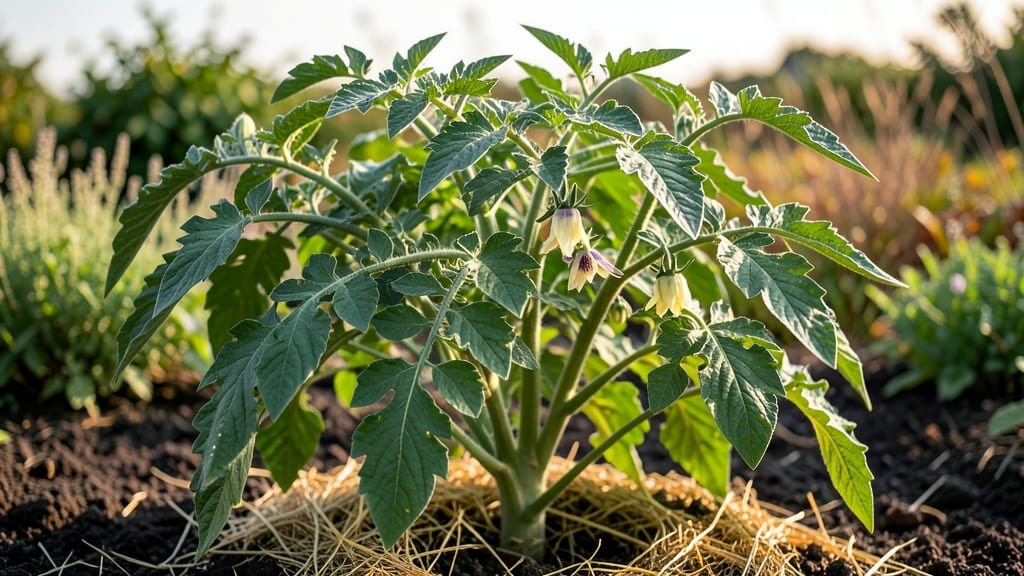
Growing the Tomato Supersweet 100 means turning your garden into a candy store of sun-ripened flavor—no sugar added. 🌱 I’ve grown this variety for three summers now, and it’s the only tomato that makes my kids pause mid-bite, eyes wide with delight.
The secret isn’t just the sweetness (though it’s shockingly lush), but how reliably it delivers when other varieties struggle.
This cherry tomato thrives in zones 4-10, so whether you’re in a short-season climate or a long, hot summer, it adapts. Start seeds indoors 6-8 weeks before last frost or buy sturdy transplants—just avoid ones with flowers already set.
The key? Well-draining soil (mix in compost) and full sun (6+ hours daily). Stake or cage early, because these plants grow fast and heavy with fruit.
By midsummer, you’ll be harvesting pint-sized jewels that burst with flavor—sweet, tangy, and impossible to resist. The plants stay productive for weeks, and they handle heat better than most cherry tomatoes. Just watch for blossom end rot (calcium deficiency) by keeping soil moist and adding crushed eggshells at planting.
Advanced growers can push yields further by pruning suckers and side-dressing with compost every 3 weeks. Even beginners will nail it—this variety forgives mistakes better than most. Ready to grow tomatoes that taste like sunshine? Let’s get started.
📚 In This Guide
- What you need
- Instructions
- Tips and common mistakes
- Wrapping up and next steps
What you need
- ● Seeds or Seedlings: 4–6 Tomato Supersweet 100 seeds (or 2–3 seedlings if starting from nursery plants).
- ● Containers or Garden Bed: Containers: 5-gallon pots or larger (at least 18" deep and wide per plant).
- ● Garden Beds: Full sun (6–8+ hours daily) with well-draining soil.
- ● Potting Mix: 1–2 bags of high-quality, sterilized organic potting mix (or garden soil amended with compost).
- ● Fertilizer: Balanced Fertilizer: 10-10-10 or 5-5-5 (follow package rates).
- ● Organic Option: Compost, worm castings, or fish emulsion.
- ● Support Structures: Cages (5–6 ft tall) OR stakes (6–8 ft) + twine.
- ○ Trellis (optional for vertical gardening).
- ● Watering Supplies: Watering can OR hose with adjustable nozzle.
- ○ Drip irrigation kit (optional for consistent moisture).
- ● Pruning Tools: Sharp pruning shears OR clean scissors.
- ● Garden gloves (to protect hands).
- ● Mulch: Straw or shredded leaves to retain moisture and suppress weeds.
- ● Row Covers: Lightweight fabric to protect seedlings from pests or frost.
- ● pH Test Kit: To ensure soil pH is between 6.0–6.8 (ideal for tomatoes).
- ● Grow Lights: If starting seeds indoors (4–6 weeks before last frost).
- ● Tomato Cage Topper: For extra support as plants grow heavy with fruit.
Step-by-Step instructions for growing Tomato Supersweet 100
Here’s how to coax those legendary sweet tomatoes from seed to vine—no shortcuts, just proven results.
🌱 Step 1: Start Seeds Indoors 6-8 Weeks Before Last Frost
Fill 2-3 inch deep seed-starting trays with sterile seed-starting mix, keeping it loose and fluffy. Press down lightly so the surface is firm but not compacted—this helps roots grip without suffocating. I like to tap the tray gently on the table to settle the soil evenly before planting.
Plant 2-3 seeds per cell at a depth of ¼ inch, just enough to cover them lightly. Covering too deep delays germination because the seedling must push through more soil. Mist the surface with a spray bottle until the mix feels evenly damp but not soggy. Place the tray in a warm spot—75-85°F is ideal for germination.
💧 Step 2: Provide Warmth and Humidity for Germination
Cover the tray with a clear plastic dome or plastic wrap to retain warmth and moisture. Check daily but resist watering—condensation inside the dome is enough to keep the soil damp. Germination typically takes 7-14 days, depending on your home’s warmth. You’ll see the first sprouts as tiny green hooks breaking through the soil.
Once 50% of seeds sprout, remove the dome immediately. Leaving it on too long creates a damp, fungus-friendly environment that can cause damping-off—a deadly disease for seedlings. Thin to the strongest seedling per cell once the first true leaves appear, using scissors to snip at soil level to avoid disturbing roots.
☀️ Step 3: Move to Bright Light and Fertilize Lightly
Tomato Supersweet 100 seedlings need 14-16 hours of light daily to grow strong and stocky. A south-facing window won’t cut it—supplement with a full-spectrum LED grow light positioned 2-4 inches above the plants. Raise the light as they grow to maintain that distance. Leggy seedlings (thin, pale, with leaves spaced far apart) mean your light isn’t strong enough.
After the first true leaves appear, fertilize lightly with a balanced liquid fertilizer (10-10-10) diluted to half strength. Over-fertilizing now burns tender roots. Water from the bottom of the tray to encourage deep root growth—you’ll know it’s right when the soil surface feels damp but not wet.
🪴 Step 4: Harden Off and Transplant After Last Frost
Two weeks before your last frost date, start hardening off seedlings by placing them outside in a sheltered, shaded spot for 1-2 hours the first day. Gradually increase outdoor time by 1 hour daily over 10-14 days, slowly introducing more sun and wind. This prepares them for the garden without shock.
Transplant after all danger of frost has passed, choosing a spot with full sun (6-8 hours daily) and well-draining soil. Bury the stem deeper than the seedling was in its pot—this encourages strong root growth from the buried stem. Space plants 18-24 inches apart in rows 3 feet apart to allow airflow and reduce disease risk.
✂️ Step 5: Prune and Support for Maximum Sweetness
Supersweet 100 thrives with determinate pruning—pinch off suckers (the small shoots in the leaf axils) to direct energy into fruit production. Leave the first few suckers near the base to encourage bushiness, but remove others as they appear. You’ll see stronger stems and more uniform fruit when you prune consistently.
Install cages or stakes at transplanting to support the plant as it grows. Supersweet 100 can get top-heavy with fruit, so secure the main stem to the support with soft ties. Mulch around the base with 2-3 inches of straw or grass clippings to retain moisture and suppress weeds—this keeps soil temperatures stable, which boosts sweetness.
Tips & tricks for perfect Tomato Supersweet 100 growth
These game-changing insights will help you cultivate tomatoes that taste like summer in every bite.
Germination Warmth: Maintaining that 75-85°F temperature range during Step 1 is critical—if your home runs cooler, place the seed tray on top of your fridge or use a seedling heat mat. I've seen germination times double when seeds struggle in cooler conditions. The goal is to mimic the warm, moist conditions these seeds evolved in, so don't skimp on the heat!
Lighting Strategy: For Step 3's 14-16 hours of light, I recommend setting a timer for your grow lights. The difference between 14 and 16 hours might seem small, but those extra 2 hours make the difference between stocky, healthy seedlings and leggy, weak ones. Position the light just 2-4 inches above the plants and raise it as they grow—this prevents burning while ensuring strong stems.
Hardening Off Technique: When you begin the 1-2 hour daily hardening process in Step 4, I suggest placing seedlings in a spot that gets morning sun but afternoon shade. This gradual introduction to sunlight prevents sunburn while still acclimating them to outdoor conditions. Watch for any wilting—this is your plant's way of saying "slow down!" and you should reduce exposure time that day.
Pruning Precision: In Step 5, when you're pinching off suckers, focus on removing only those growing in the leaf axils (the V-shaped junctions where leaves meet stems). Leave the first few suckers near the base intact—they'll help create a bushier plant. I've found that consistent pruning every 7-10 days yields the most uniform fruit, with fewer disease issues and better air circulation.
Pro Tips for Tomato Supersweet 100
- These game-changing insights will help you cultivate tomatoes that taste like summer in every bite.
- Germination Warmth: Maintaining that 75-85°F temperature range during Step 1 is critical—if your home runs cooler, place the seed tray on top of your fridge or use a seedling heat mat.
- Lighting Strategy: For Step 3's 14-16 hours of light, I recommend setting a timer for your grow lights.
Frequently asked questions
Got questions about growing Tomato Supersweet 100?
You’re not alone! This hybrid cherry tomato is a garden favorite, but it’s smart to know the ins and outs before planting. Here are answers to the most common queries—so you can grow a bountiful harvest with confidence.
How long does it take for Supersweet 100 tomatoes to produce fruit?
Expect your Tomato Supersweet 100 plants to start flowering about 50-60 days after transplanting (or 65-75 days from seed). The first ripe cherry tomatoes typically appear 60-70 days after transplanting, depending on your climate. In warm regions, you might see fruit even sooner!
Can Supersweet 100 tomatoes grow in containers, and what size pot do I need?
These compact plants thrive in containers as long as the pot is at least 12-18 inches deep and 12 inches wide. Use well-draining soil and ensure the container has drainage holes. A 5-gallon bucket or fabric grow bag works great for a single plant. Just rotate the pot occasionally for even sun exposure.
What pests should I watch for, and how can I prevent them?
The biggest threats to Supersweet 100 tomatoes are aphids, hornworms, and whiteflies. To keep pests at bay:
- Handpick hornworms (they’re easy to spot and remove!).
- Spray plants with neem oil or insecticidal soap for aphids.
- Use row covers early in the season to deter flying pests.
- Encourage beneficial insects like ladybugs and lacewings.
Why are my Supersweet 100 tomatoes cracking, and how do I fix it?
Cracking is common in cherry tomatoes due to uneven watering or rapid growth. To prevent it:
- Water deeply and consistently—aim for 1-1.5 inches per week, especially during fruit development.
- Avoid overhead watering (water at the base instead).
- Use mulch to keep soil moisture stable.
- Harvest tomatoes when they’re slightly firm to reduce stress.
Are there any alternatives to Supersweet 100 if I want a similar sweet cherry tomato?
If you love the sweet, tangy flavor of Supersweet 100, try these equally delicious varieties:
- Sweet 100 (the original!): Classic sweetness, great for snacking.
- Sun Gold: Ultra-sweet orange cherry tomatoes, perfect for salsa.
- Tumbling Tom: Prolific producer, ideal for hanging baskets.
- Black Cherry: Rich, smoky flavor with a dark twist.
Wrapping up and next steps
Growing your own Tomato Supersweet 100 is a rewarding journey that brings sweet, flavorful rewards straight from your garden! Whether you're a seasoned gardener or just starting out, these juicy, low-acid tomatoes are perfect for salads, sauces, or fresh snacking.
With the right care, you’ll enjoy a bountiful harvest that’s sure to impress.
Now that you’re equipped with the knowledge, roll up your sleeves and get planting! Start with healthy seeds, provide the ideal growing conditions, and soon you’ll be savoring homegrown tomatoes at their peak. Happy gardening! 🌱🍅