
How To
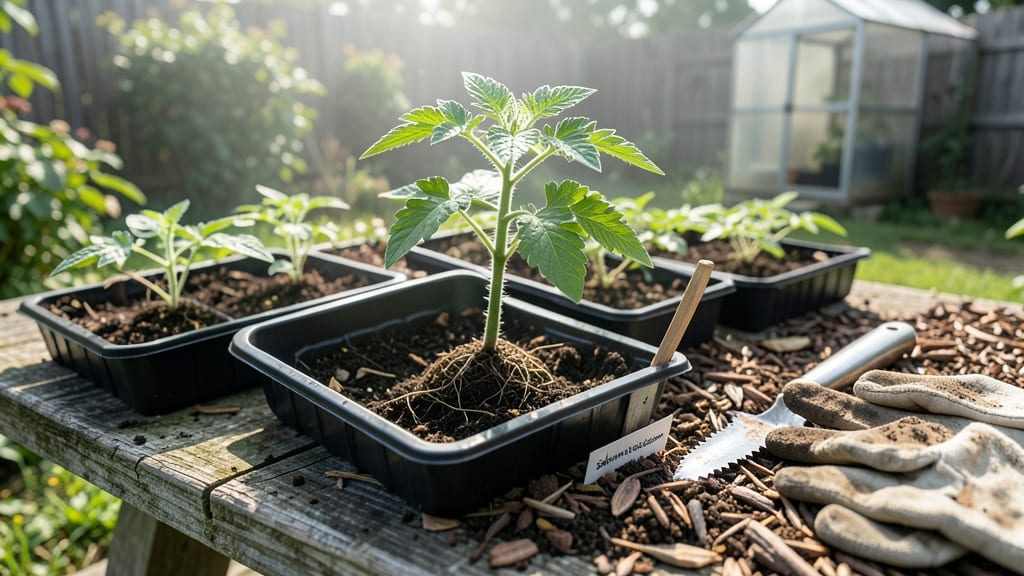
Sowing tomatoes at the right time means the difference between a bountiful harvest and a season of disappointment. The best tomato sowing time depends on your zone, but missing the window by even a week can leave you scrambling to replant or watching your seedlings freeze.
Picture this: you’ve spent weeks nurturing tender seedlings, only to have a late frost wipe them out overnight. Or worse, you plant too late and the heat arrives before the fruit even sets.
Timing isn’t just a guess—it’s a science, and I’ll walk you through the exact weeks before your last frost to ensure your 🍅 plants thrive.
From indoor starts to direct sowing, we’ll cover how soil temperature, regional frost dates, and even your local microclimate play a role. You’ll learn how to adjust for early harvests, extend your season in cooler zones, and avoid the three biggest mistakes that ruin timing every year.
By the end, you’ll have a foolproof schedule tailored to your growing zone, plus pro tips to maximize every day of your tomato season—because the right timing turns good plants into great harvests.
Tomato sowing time by USDA growing zone: exact weeks before last frost
Getting your tomato sowing time right is the difference between a bountiful harvest and wasted effort. Tomatoes thrive when planted at the perfect moment—too early, and frost zaps delicate seedlings; too late, and your season shrinks.
Each USDA growing zone has its own ideal window, but knowing your last frost date is the key to success. Whether you're starting seeds indoors or planting directly outdoors, this zone-by-zone guide ensures you never miss the mark.
First, find your last frost date—the average date when temperatures stay above 32°F (0°C) for the season. Check your local USDA zone map and use historical data from your agricultural extension office or weather service.
For indoor starts, begin seeds 6-8 weeks before your last frost, while direct outdoor sowing typically happens 2-4 weeks before the final frost. Soil temperature also matters—tomatoes need 60°F (15°C) minimum to germinate properly.
| USDA Zone | Indoor Start (Weeks Before Last Frost) | Direct Outdoor Sowing (Weeks Before Last Frost) | Soil Temp Requirement | Pro Tip |
|---|---|---|---|---|
| Zones 3-4 | 8-10 weeks | 2-3 weeks (use black plastic mulch) | 60°F+ (15°C+) | Choose early-maturing varieties (60-70 days). |
| Zones 5-6 | 6-8 weeks | 3-4 weeks | 60°F+ (15°C+) | Start seeds in grow lights for stronger seedlings. |
| Zones 7-8 | 5-7 weeks | 4-6 weeks | 65°F+ (18°C+) | Consider successive plantings for extended harvests. |
| Zones 9-10 | 4-6 weeks (optional) | All season (avoid summer heat) | 70°F+ (21°C+) | Plant heat-tolerant varieties like 'Solar Fire'. |
| Zone 11 | Not needed (year-round growing) | Fall/winter for cooler months | 65°F+ (18°C+) | Use shade cloth in peak summer. |
For Zones 3-4, where frost lingers late, start seeds indoors 8-10 weeks before your last frost date. Use a heat mat to speed germination, and harden off seedlings for 1-2 weeks before transplanting.
In these colder zones, black plastic mulch can raise soil temperatures by 5-10°F (3-6°C), giving seedlings a head start. If your zone has a short growing season, opt for determinate varieties like 'Stupice' or 'Roma', which mature faster.
In Zones 5-6, you have more flexibility. Begin seeds 6-8 weeks indoors or sow directly 3-4 weeks before your last frost. These zones benefit from staggered plantings: start a second batch 2 weeks after the first to extend your harvest.
Always wait until soil temperatures hit 60°F (15°C) before planting outdoors—cold soil slows germination and weakens seedlings. A soil thermometer is your best friend here.
Gardeners in Zones 7-8 enjoy longer seasons, allowing for 5-7 weeks of indoor starts or direct sowing 4-6 weeks before frost. This is prime time for heirloom varieties like 'Brandywine' or 'Cherokee Purple', which need more time to mature. If you're in a humid climate, prioritize disease
How to adjust tomato sowing time for early harvests or late seasons
If you're in a short-season zone like Zone 4 or need to push your harvest window, adjusting tomato sowing time can make all the difference. The key is using staggered sowing and season-extending tools to maximize your growing window.
For example, in Zone 4, where frost-free days average just 120-140 days, choosing 90-day varieties and starting seeds early indoors is essential.
For gardeners in warmer climates (Zones 8-11), late-season sowing can prevent heat stress on young plants. Here, the goal shifts to avoiding summer heatwaves that can cause blossom drop. By adjusting sowing times, you can align tomato growth with cooler periods, ensuring better fruit set and quality.
Staggered Sowing for Continuous Yields
Cold-Frame Extensions for Late Seasons
Another advanced technique is succession planting in container gardens. By planting bush varieties like 'Patio' or 'Tiny Tim' in 5-gallon pots, you can move them to protected areas (like a garage or porch) as temperatures drop. This method works especially well in urban gardens with limited space.
For late-season pushes, consider using low tunnels or hoop houses to create a microclimate. These structures can raise soil temperatures by 5-10°F and delay frost damage. Pair this with fast-maturing varieties like 'Early Girl' or 'Stupice' to ensure a harvest before winter sets in.
Finally, always track your local frost dates using resources like the National Weather Service or Old Farmer’s Almanac. Adjust your sowing schedule based on 3-year averages rather than relying on a single year’s data.
For example, if your area typically has a last frost on May 15 but you want an early harvest, start seeds indoors by March 1 for 6-week-old transplants ready by early May.